
Last updated September 24, 2026
Free written scope consultation - allowances, timeline, and change-order rules on paper before a single trade is scheduled
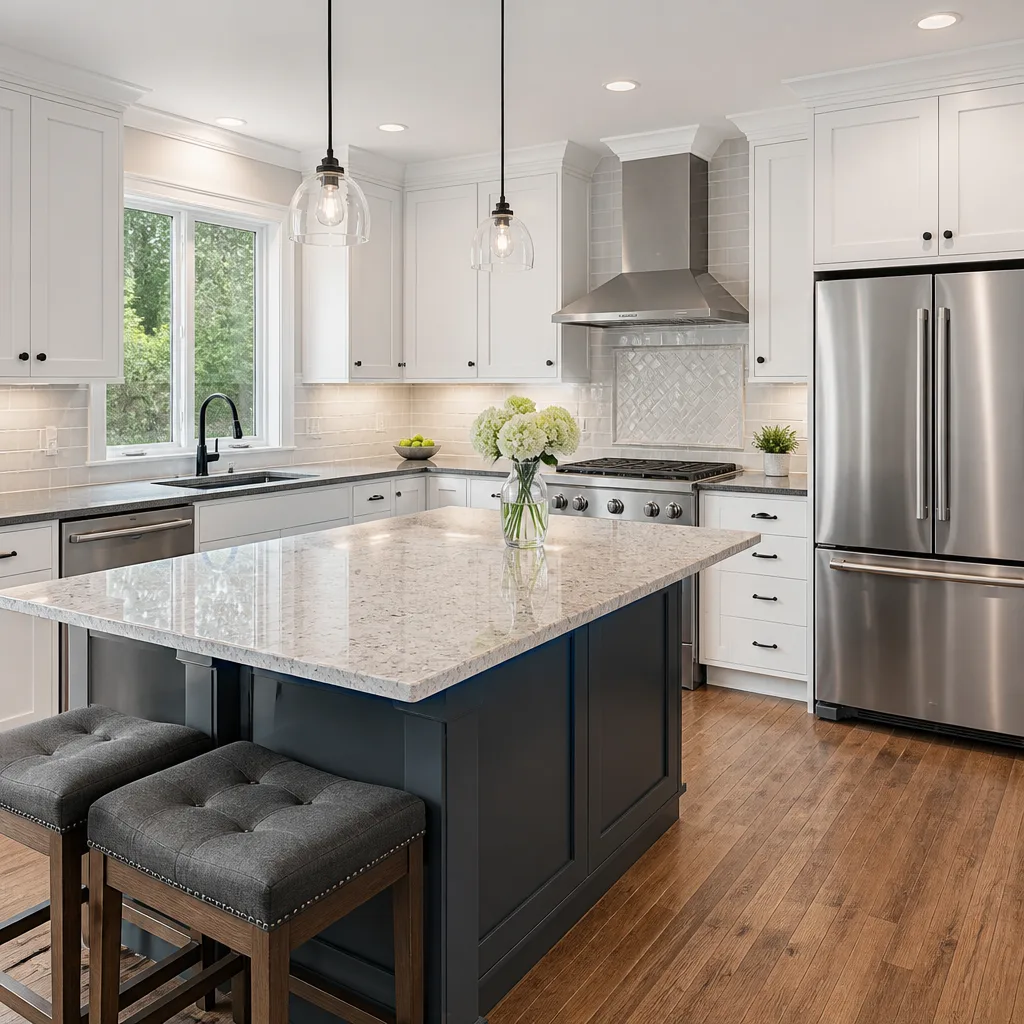
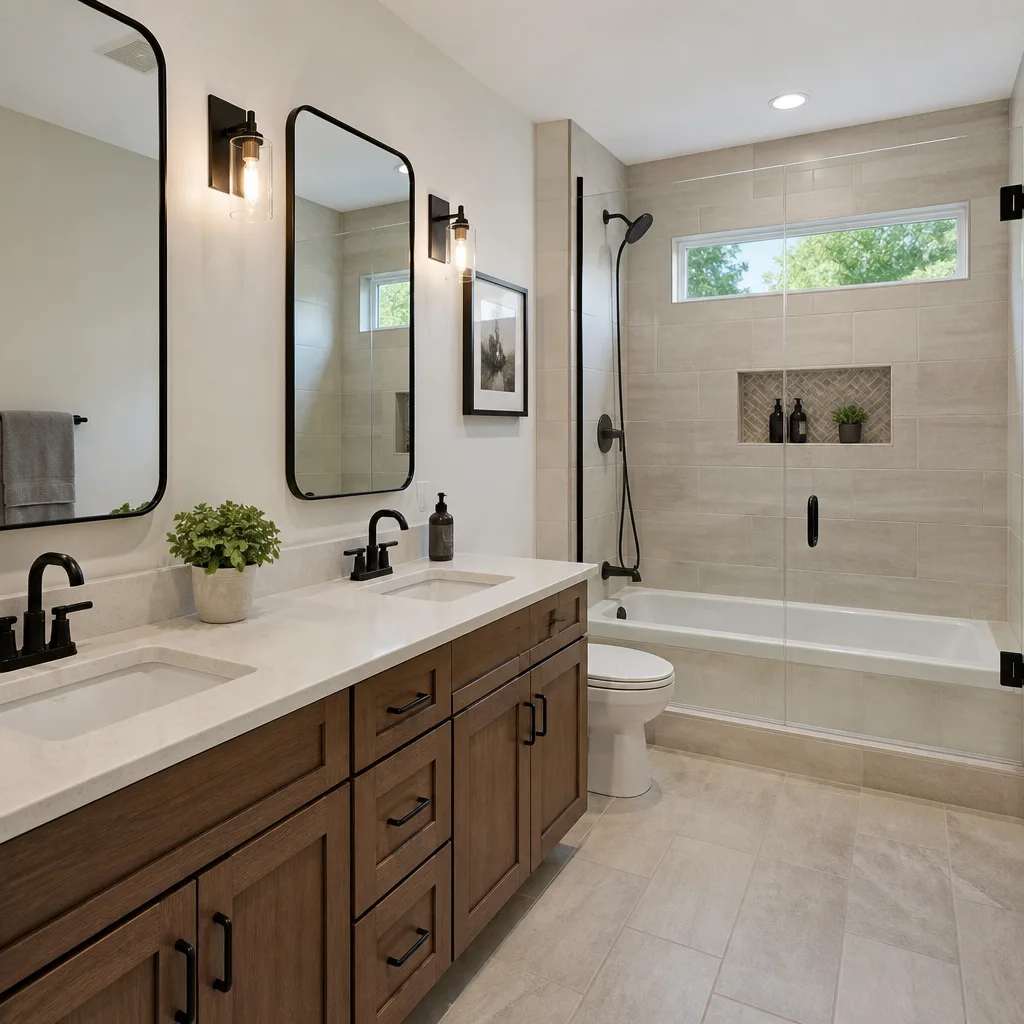





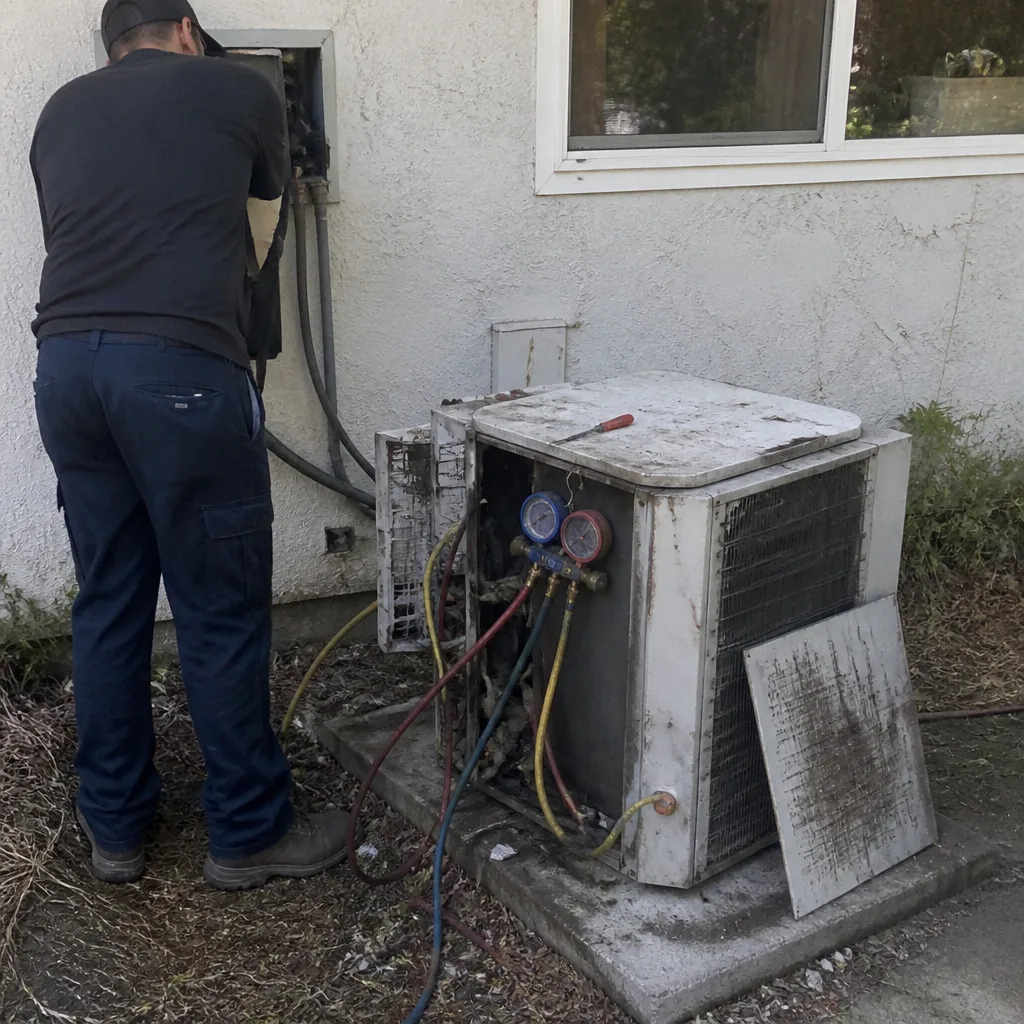 Before
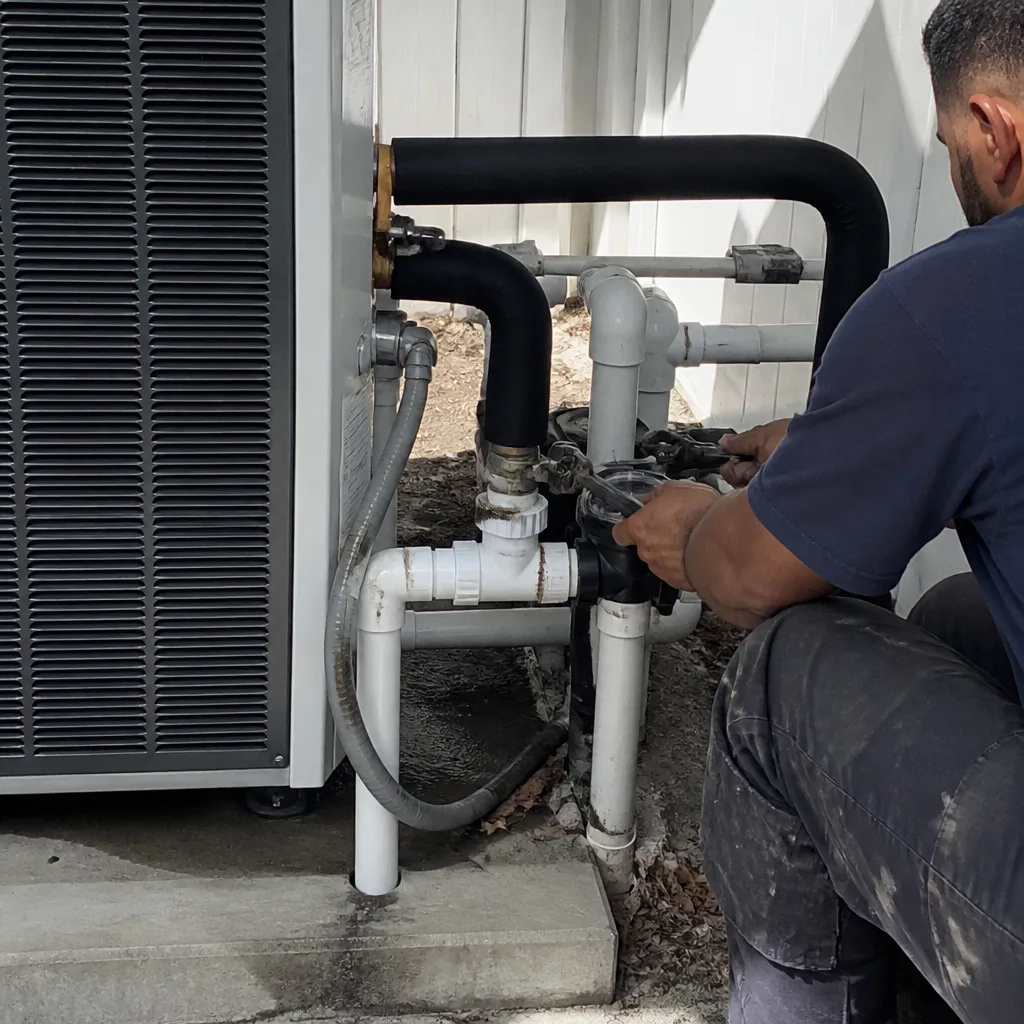 After
After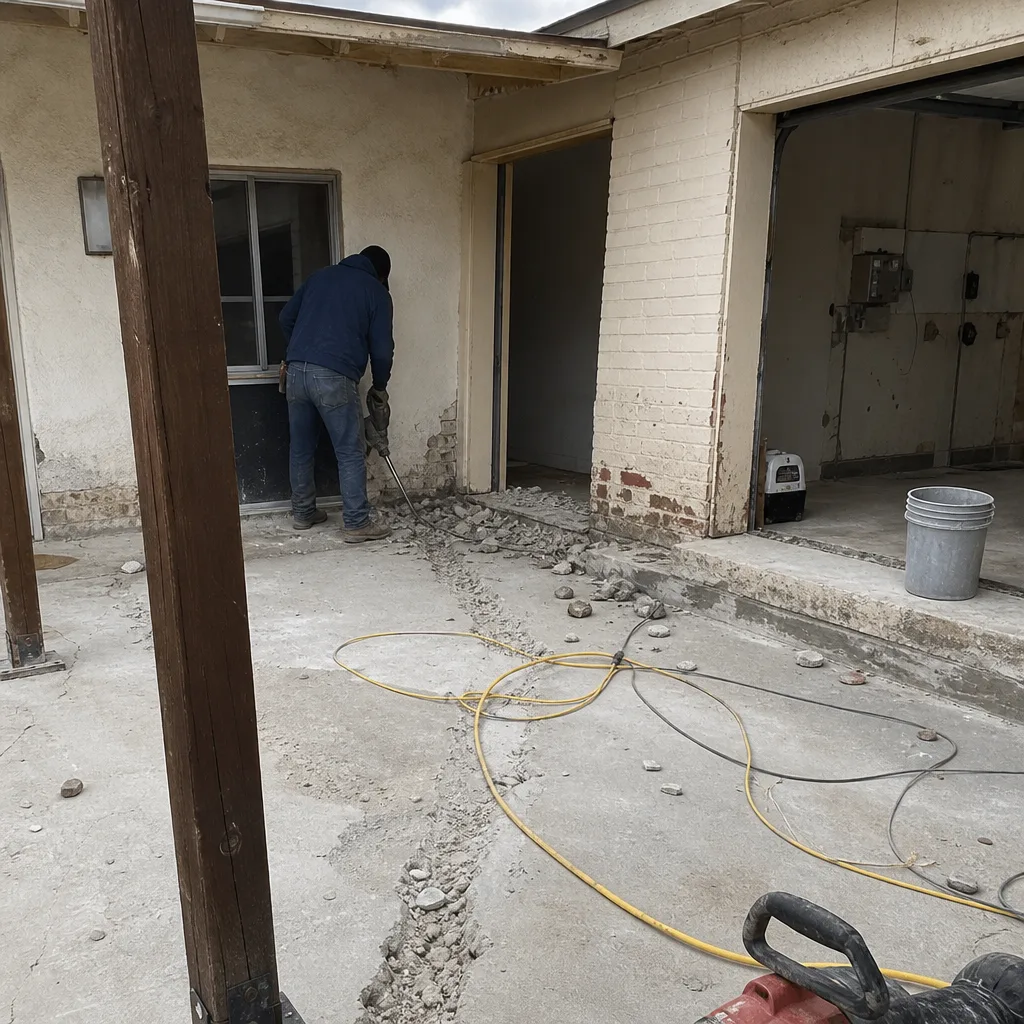 Before
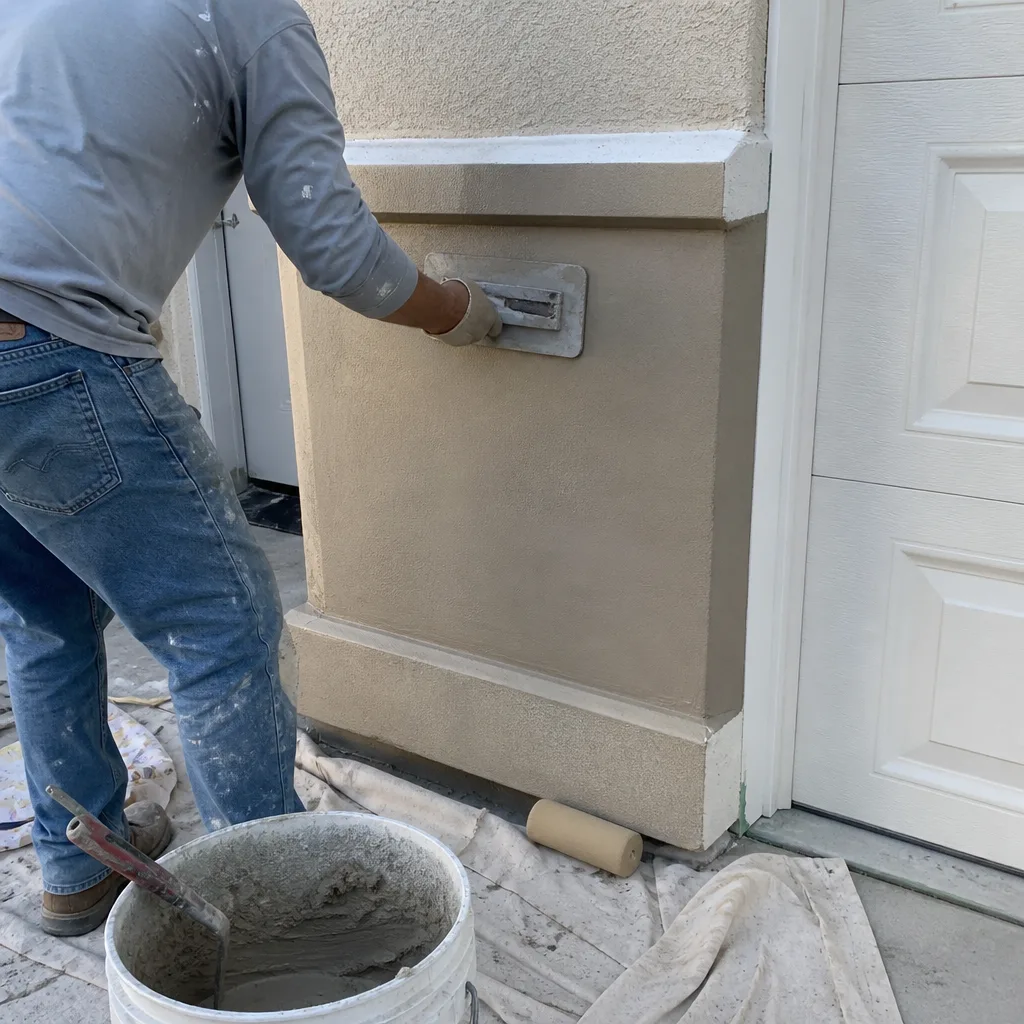 After
After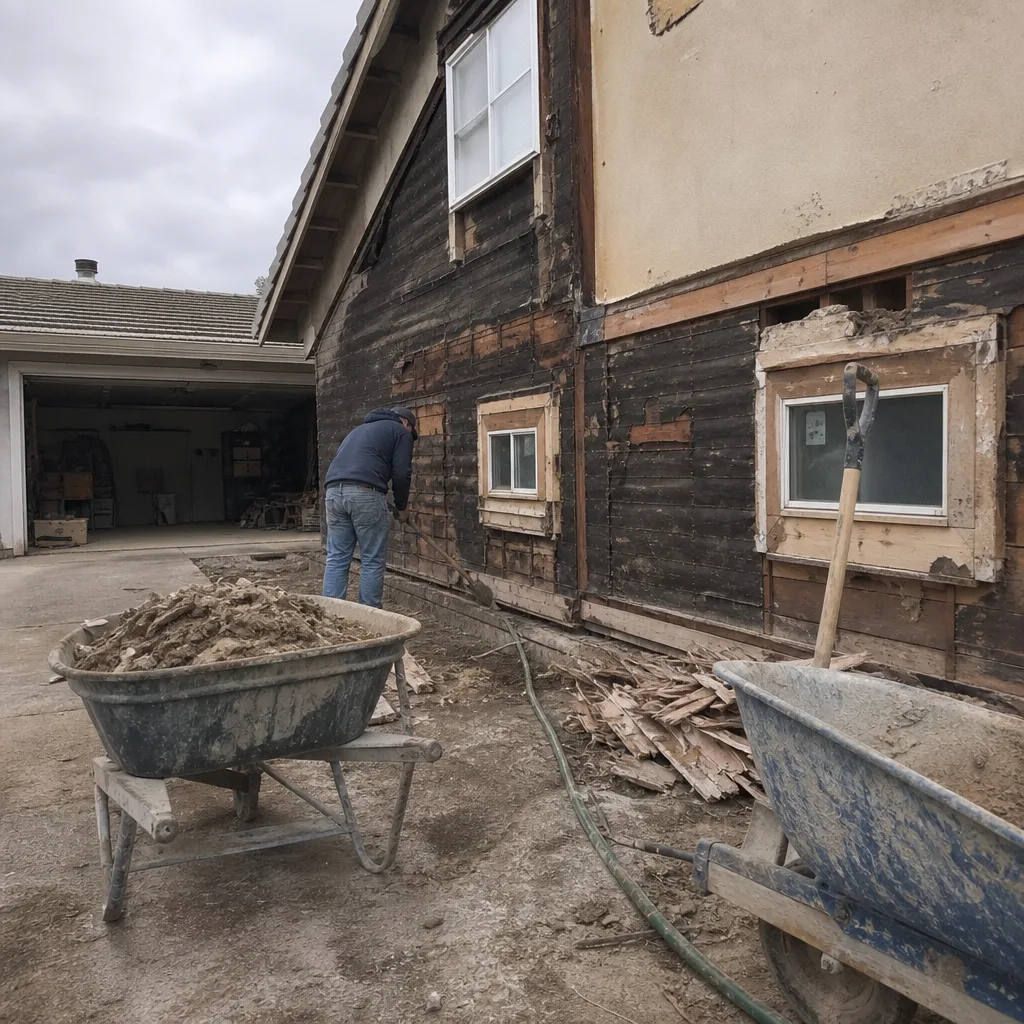 Before
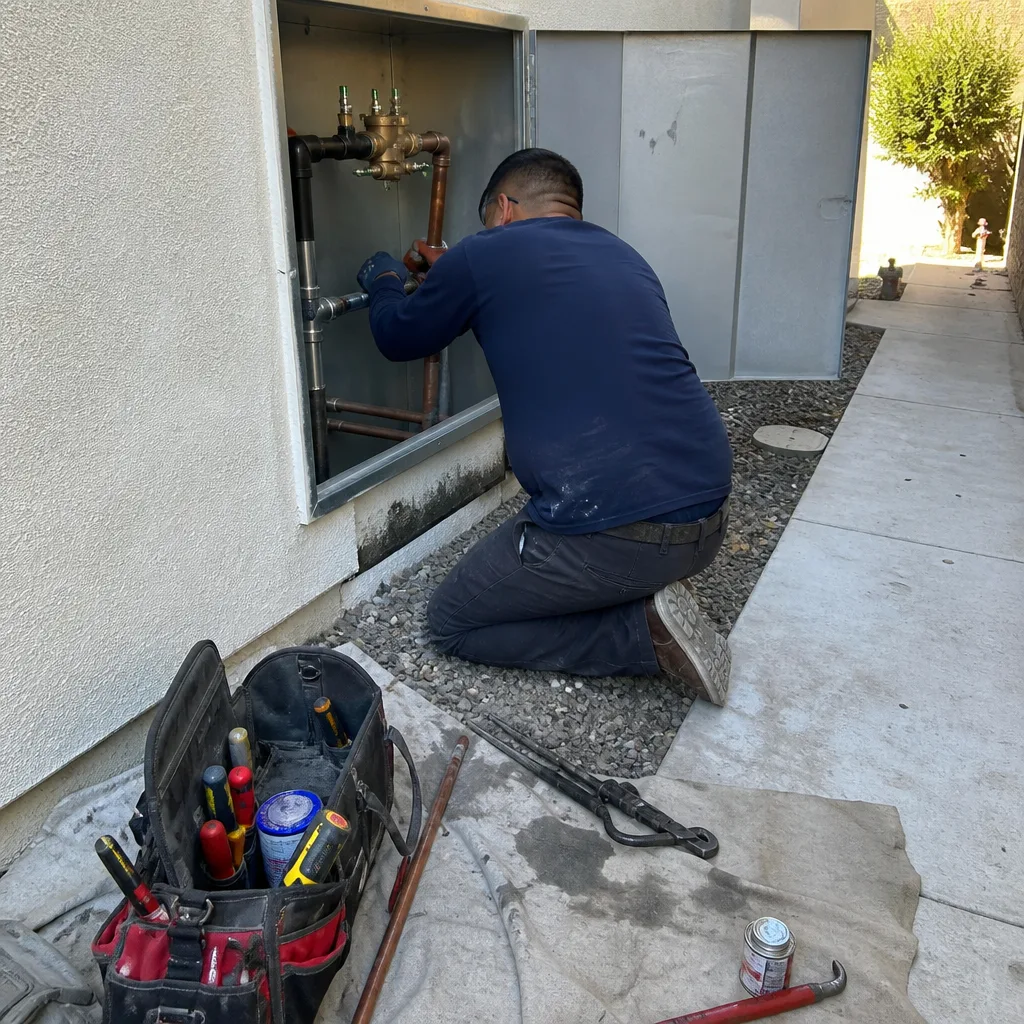 After
AfterKitchen Remodeling Maintenance Checklist for Santa Clarita Homeowners
Santa Clarita’s water hardness runs between 250-400 mg/L depending on your district - well above the 180 mg/L threshold where calcium deposits begin visibly damaging grout and fixture finishes. Most homeowners discover this 18 months after a remodel, not before. In this guide, we’ll show you exactly what to inspect at 6, 12, and 24 months post-remodel, how to spot failure before it becomes a water damage claim, and why the documentation package you receive matters when you sell or refinance. For more guides & resources, visit our blog. This checklist is organized around Santa Clarita’s actual conditions - hard water, extreme summer heat cycling, and gas-range cooking - not a generic seasonal calendar that ignores our local degradation curve.
Quick Answer
A kitchen remodeling maintenance checklist for Santa Clarita homeowners should focus on three local conditions: hard water (250-400 mg/L) that degrades grout and caulk within 12-18 months, summer interior temperatures exceeding 90°F near south- and west-facing windows that delaminate cabinet finishes, and gas-range cooking residue that accelerates grease buildup in ventilation systems. Inspect caulk seams and grout at 6, 12, and 24 months; test with a simple water-bead test; protect cabinet finishes from heat exposure; and keep your post-remodel documentation package complete for warranty claims and resale.
Table of Contents
- The Santa Clarita Degradation Timeline: 6, 12, and 24 Months
- How to Test Grout and Caulk Seams Before They Fail
- Cabinet Finish Protection Against Santa Clarita Summer Heat
- Ventilation, Gas Range Residue, and Filter Maintenance
- Countertop Care: The Three Warranty-Voiding Mistakes
- Your Post-Remodel Documentation Package
- Common Mistakes to Avoid
- When to Call a Professional
- Frequently Asked Questions
BeforeAfterThe Santa Clarita Degradation Timeline: 6, 12, and 24 Months
Most national kitchen maintenance checklists assume moderate water hardness and stable indoor temperatures. Santa Clarita meets neither assumption, as detailed in our Complete Guide to Construction in Santa Clarita. Our water comes from a mix of State Water Project imports and local groundwater with high mineral content, and our summer heat cycles - 100°F+ days followed by 60°F nights - stress materials in ways that milder climates do not.
We’ve delivered over 4,000 projects since 2007, and the kitchens we return to for warranty calls follow a predictable pattern. Here’s the timeline we use when advising Santa Clarita homeowners after a kitchen remodeling in Santa Clarita project is complete.
Month 6: Settlement and First Heat Cycle
The first summer after your remodel is the critical test. Materials have settled through winter, and now the expansion cycle begins.
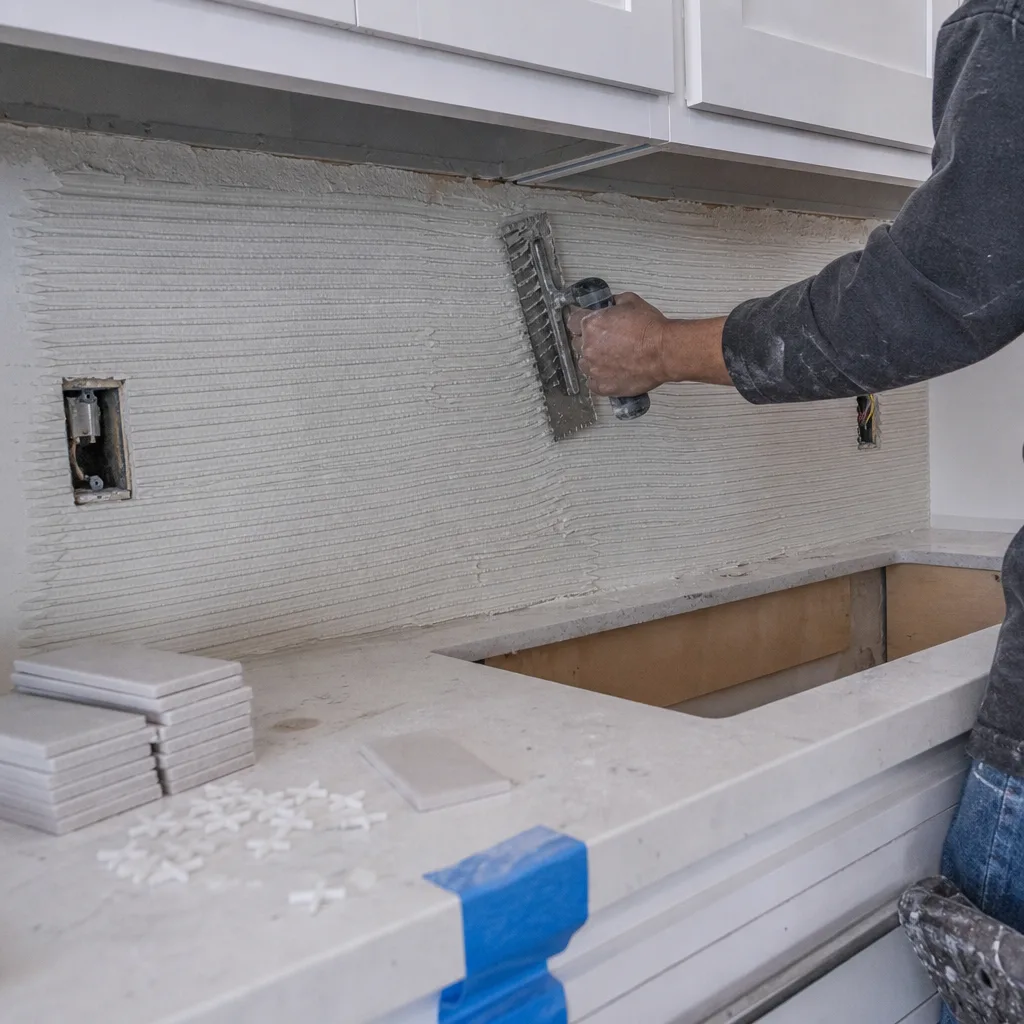
- Caulk at the backsplash-to-counter joint: Check for separation or shrinkage. The silicone or latex caulk used during installation has now experienced one full expansion cycle. In Santa Clarita’s dry heat, latex caulk can shrink 10-15% in the first year. If you see a visible gap or the caulk pulls away from either surface, it’s time to remove and reapply. We specify 100% silicone for this joint on every job - it costs more than latex, but it doesn’t shrink.
- Undermount sink clips: These bear the full weight of the sink against the countertop substrate. Heat cycling loosens the epoxy or mechanical anchors. Grip the sink rim and apply gentle upward pressure. Any movement means the clip has loosened. A dropped undermount sink is a $2,000-$4,000 repair in Santa Clarita’s market because it typically damages the countertop.
- Cabinet door hinge screws: Solid wood doors expand and contract; MDF and thermofoil doors do so less but still move. Check that hinge screws remain tight. A loose hinge in month 6 becomes a stripped screw hole by month 18.
- Dishwasher connection: The hot water supply line, drain hose, and electrical junction have now experienced vibration from 150-200 wash cycles. Look for moisture, mineral staining, or hose fatigue at the connection points. Santa Clarita’s hard water leaves white calcium deposits that make small leaks visible before they become floor damage.
Month 12: Hard Water Damage Becomes Visible
This is the inspection that saves most homeowners from discovering a problem through their ceiling.
- Grout lines: Calcium deposits begin etching grout surfaces. The grout looks dull, then slightly rough, then begins crumbling. Test with the water-bead method described in the next section.
- Faucet aerator and spray head: Flow reduction indicates scale buildup. Remove the aerator and soak in white vinegar for 30 minutes. If flow doesn’t restore to normal, the internal cartridge may be damaged - a $45-$120 part versus a $400+ faucet replacement.
- Range hood grease filters: Gas cooking produces more particulate residue than electric. In Santa Clarita, where many homes have open-plan layouts and the kitchen is central to living space, these filters work harder. They should be degreased monthly and replaced annually if dishwasher-cleaning doesn’t restore them.
- Garbage disposal flange and sink basket strainer: The putty or silicone seal beneath the flange hardens and cracks in dry conditions. Check from below the sink for moisture staining on the cabinet floor.
Month 24: Long-Term Material Stress
- Cabinet finish near heat sources: Thermofoil doors near ovens or south-facing windows show delamination - the vinyl film lifts at edges or bubbles. Painted MDF develops hairline cracks at panel joints. These are heat and UV issues specific to Santa Clarita’s exposure.
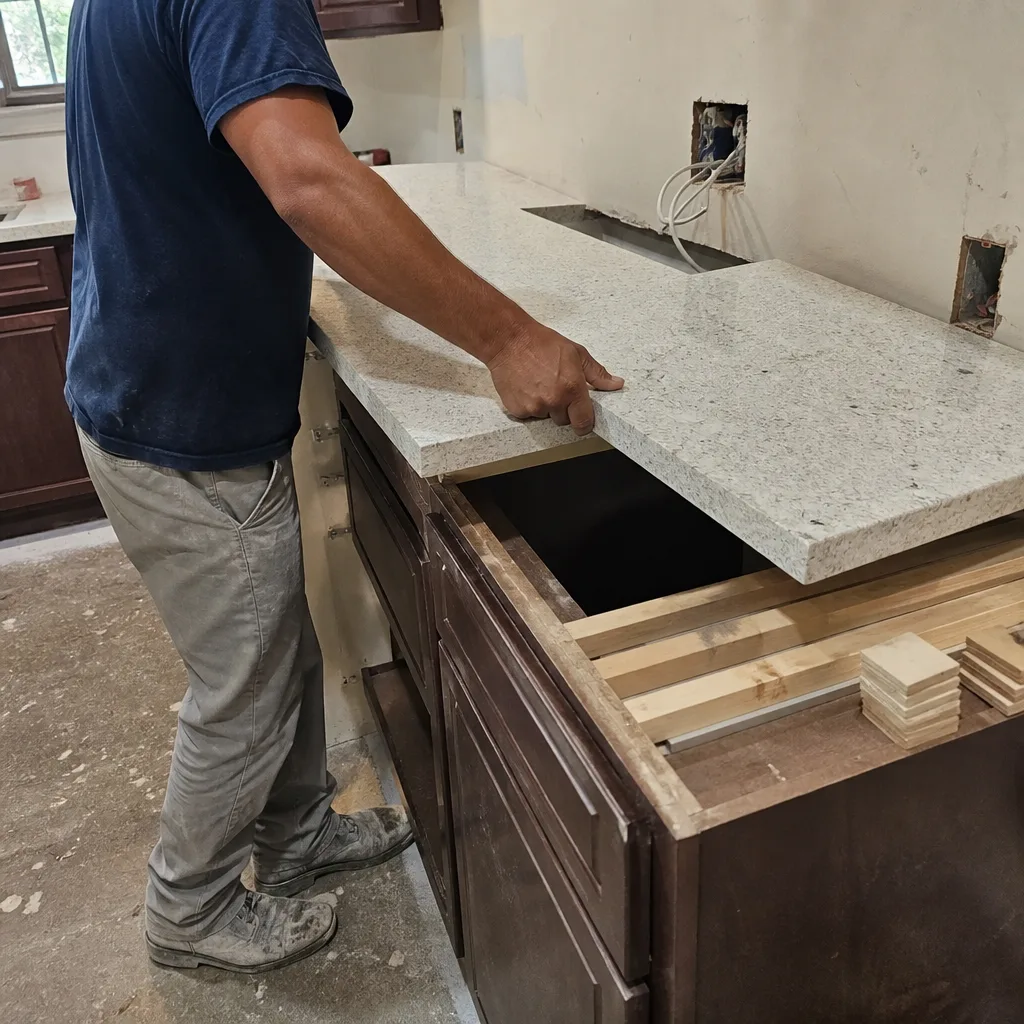
- Countertop seam alignment: Quartz and solid-surface seams can shift slightly with substrate movement. A seam that was flush is now slightly proud or recessed. This is cosmetic until water penetrates, then it’s structural.
- Tile backsplash adhesive: The thinset behind glass or ceramic tile can fail where heat concentration is highest - behind the cooktop, primarily. Tap tiles lightly with a plastic tool; a hollow sound indicates debonding.
- Refrigerator water line: The saddle valve or braided supply line has now experienced two years of pressure cycling. Replace the line if you see any bulging, kinking, or corrosion at fittings.
How to Test Grout and Caulk Seams Before They Fail
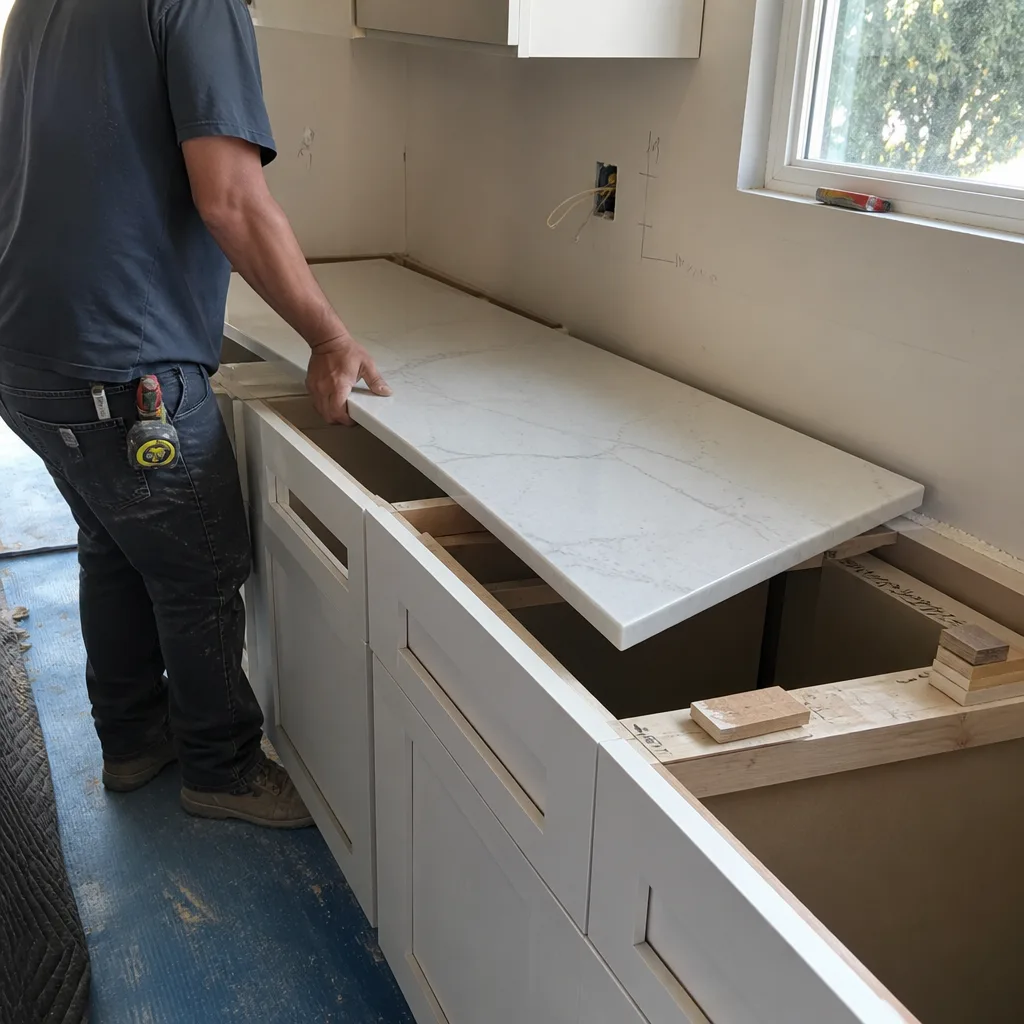
The water-bead test takes 60 seconds and requires no tools. It’s the single most effective early-warning system for the failure mode that causes the most hidden damage in Santa Clarita kitchens.
Step-by-Step Water-Bead Test
- Clean the grout or caulk surface with a damp cloth. No soap, no residue.
- Using an eyedropper or wet finger, place three or four separate water droplets on the surface.
- Wait 60 seconds.
- Observe the droplet shape.
Pass: Water beads into a distinct hemisphere, like water on a waxed car. The surface is still sealed and hydrophobic.
Fail: Water spreads into a flat pool or soaks in immediately. The grout or caulk has lost its water resistance. In Santa Clarita’s hard water conditions, this means calcium-laden water is penetrating the joint every time you wipe the counter, accelerating degradation from within.
What Failure Looks Like Before It’s a Claim
Grout failure progresses through four visible stages. Most homeowners notice it only at stage three or four.
- Stage 1 - Dulling: Grout loses its slight sheen and appears chalky. The surface is etched but intact.
- Stage 2 - Roughening: A fingernail catches on the grout surface. The Portland cement binder is eroding, exposing sand aggregate.
- Stage 3 - Crumbling: Light pressure with a flathead screwdriver dislodges material. Water has penetrated to the substrate.
- Stage 4 - Staining or mold: The backing material (cement board, drywall, or membrane) is wet. In Santa Clarita’s warm climate, mold follows within 7-14 days of consistent moisture.
For caulk, the failure mode is different. Silicone caulk fails by adhesion loss - it separates from one surface while remaining flexible. Latex caulk fails by cohesion loss - it cracks through its body. Both allow water behind the backsplash. In our experience across Santa Clarita neighborhoods from Valencia to Canyon Country, the backsplash-to-counter joint is the highest-risk location because it’s horizontal, collects water, and is wiped most frequently.
Regrouting a backsplash runs $8-$14 per square foot in the Santa Clarita market. Replacing water-damaged drywall, cabinet backing, and countertop substrate runs $1,200-$3,500. The water-bead test is worth the minute it takes.
Cabinet Finish Protection Against Santa Clarita Summer Heat
Interior temperatures near south- and west-facing windows in Santa Clarita regularly exceed 90°F during July and August. We’ve measured 94°F on cabinet surfaces in homes where the thermostat was set to 78°F. This isn’t a comfort issue; it’s a material science issue.
How Heat Damages Cabinet Finishes
Thermofoil is a vinyl film heat-bonded to an MDF core. The adhesive softens at approximately 140°F, but repeated cycling to 90°F+ causes gradual adhesive fatigue. The film lifts at edges first - corners and profile details where the film is stretched thinnest during manufacturing. Once lifted, the film catches on cleaning cloths and peels progressively.
Painted MDF is more stable but not immune. The paint film and substrate expand at different rates. After enough cycles, hairline cracks appear at joints and panel edges. These admit moisture, and MDF swells when wet. The damage is irreversible.
Solid wood cabinets expand and contract across the grain, but the finish (paint, lacquer, or conversion varnish) is more flexible and typically survives heat better. The exception is dark painted finishes on south-facing cabinets, where surface temperatures can reach 110°F+ and cause checking (fine cracking) in the finish film.
Specific Protection Measures
- Window film or solar screens: Reduce solar heat gain by 50-70%. In Santa Clarita, this pays for itself in HVAC savings and cabinet protection within three years.
- Blinds or shades, closed during peak hours: Simple and effective. The goal is to prevent direct solar contact with cabinet surfaces.
- Exhaust fan use during cooking: Gas ranges produce significant convective heat. A properly sized range hood (minimum 300 CFM for standard cooktops, 600 CFM for pro-style ranges) removes heat before it stratifies against upper cabinets.
- Avoid cabinet-mounted small appliances near heat sources: Coffee makers, toasters, and air fryers on cabinets adjacent to ovens compound heat exposure. Move them to countertop centers.
When we specify cabinets for kitchen remodeling in Santa Clarita, we note window orientation on our material orders. For south- and west-facing kitchens, we recommend conversion varnish over standard lacquer - it has higher thermal stability and better UV resistance. KraftMaid and Wellborn both offer this upgrade; it’s approximately 8-12% more than standard finish but eliminates the replacement cost of delaminated doors.
Ventilation, Gas Range Residue, and Filter Maintenance
Santa Clarita’s housing stock skews toward gas cooking - approximately 70% of the homes we work in have gas ranges, versus the national average closer to 40%. Gas combustion produces nitrogen dioxide, water vapor, and particulate grease. The combination stresses ventilation systems beyond what most manufacturer maintenance schedules assume.
The Actual Maintenance Schedule for Santa Clarita Conditions
| Component | Standard Schedule | Santa Clarita Adjusted | What to Do |
|---|---|---|---|
| Mesh grease filters | Monthly cleaning | Every 2-3 weeks | Degrease in dishwasher or soak in hot water with degreaser. Replace when metal shows permanent discoloration or mesh distortion. |
| Charcoal filters (recirculating hoods) | Every 6 months | Every 4 months | Not cleanable - replacement only. Mark installation date on filter with permanent marker. |
| Blower wheel and housing | Annual inspection | Every 6 months | Remove and clean accumulated grease. A clogged wheel reduces airflow 30-50% without changing fan speed. |
| Ductwork to exterior | Every 2-3 years | Annual | Check for grease accumulation, bird nests, or damper failure. Santa Clarita’s Santa Ana wind events can damage exterior dampers. |
| Make-up air intake | As needed | Check quarterly | California Title 24 requires make-up air for hoods over 400 CFM. Filter clogs reduce effectiveness and can trigger backdrafting. |
Reduced ventilation airflow has consequences beyond odor. Moisture from gas combustion condenses on cooler surfaces - inside cabinet boxes, on window frames, behind refrigerators. In Santa Clarita’s dry climate, homeowners often dismiss humidity concerns, but localized moisture from cooking is real and causes the same mold and material damage that ambient humidity causes elsewhere.
The warranty issue: most range hood manufacturers require documented filter maintenance for warranty claims on blower motors. A failed motor with clogged filters is considered owner neglect, not defect. Keep receipts or photos of filter replacements.
Countertop Care: The Three Warranty-Voiding Mistakes
Countertop warranties - from Cambria, Caesarstone, Silestone, and others - contain specific maintenance clauses that most homeowners never read until they need a claim. These are the three violations we see most often in Santa Clarita warranty denials.
Mistake 1: Using Vinegar or Acid-Based Cleaners on Quartz
Quartz is engineered stone - 90-95% ground quartz bound with resin. The resin is vulnerable to acids. Vinegar, lemon juice, and many “natural” cleaners etch the resin surface, creating dull spots that are not stains but permanent surface damage. The warranty explicitly excludes “damage from acidic or alkaline cleaners.”
Use pH-neutral cleaners only. Simple Green, StoneTech, or equivalent. In Santa Clarita, where hard water spotting is constant, the temptation to use vinegar is strong. Don’t. Use a squeegee or microfiber cloth with plain water for daily wipe-downs, and the pH-neutral cleaner weekly.
Mistake 2: Failing to Reapply Sealant to Natural Stone
Granite and marble require periodic resealing. The frequency depends on porosity and use, but in Santa Clarita’s hard water environment, mineral deposits in open pores accelerate staining. Test by dripping water on the surface - if it doesn’t bead, reseal.
Most warranties require “proper maintenance including regular sealing” and specify annual or bi-annual frequency. Document the date and product used. We provide this documentation to every customer who receives natural stone through our kitchen remodeling in Santa Clarita service.
Mistake 3: Placing Hot Cookware Directly on Surface
Thermal shock cracks quartz and can damage granite. The warranty exclusion is “thermal damage from hot cookware.” Use trivets or hot pads always, even for “heat resistant” surfaces. The resin in quartz degrades above 300°F; a cast iron skillet from a 500°F oven exceeds 400°F surface temperature.
We’ve replaced three quartz countertops in Santa Clarita in the past two years where the homeowner set a hot roasting pan directly on the island. None were warranty-covered. The replacement cost: $3,800-$6,200 depending on slab size and edge detail.
Your Post-Remodel Documentation Package
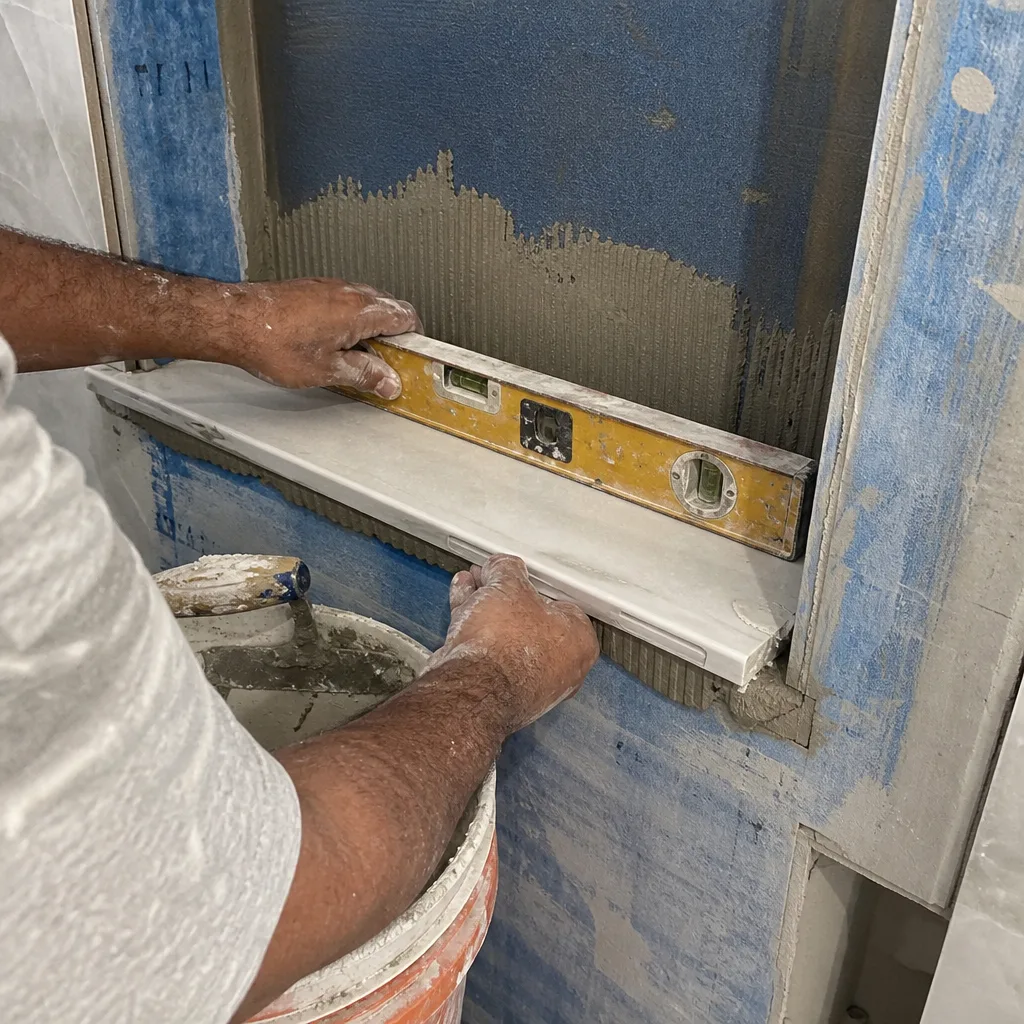
Every Rowan Construction Group Santa Clarita home project concludes with a documentation package. Not every contractor provides this, and the absence creates problems at sale, refinance, or warranty claim time. Here’s what should be in yours, and why each item matters.
The Essential Documents
- As-built photographs: Photos of completed work, including areas that will be concealed - inside cabinet boxes, behind appliances, under sinks. These prove the condition of concealed work if a later leak or damage occurs. Our standard deliverable includes a documented photo record on every visit, included, not optional.
- Brand and model records: Specific SKUs for cabinets, countertops, fixtures, appliances, and hardware. Not “Kohler faucet” - “Kohler K-596-VS Simplice single-hole pull-down.” This enables exact replacement of discontinued items and validates warranty coverage.
- Warranty cards and registrations: Manufacturer warranties often require registration within 30 days of installation. We complete and retain copies for our customers.
- Permit closeout and inspection records: In Santa Clarita, kitchen remodels involving electrical, plumbing, or structural changes require permits through the city’s Building and Safety Division. The final inspection approval - the “green tag” - should be in your file. Without it, a buyer’s inspector or appraiser flags the work as unpermitted, potentially derailing a sale.
- Signed change order log: The complete record of every scope modification, with date, description, and price. This protects both parties from dispute and demonstrates project cost control.
- Written warranty from the contractor: Our 365-Day Done Right Promise, printed on every page and backed by a terms page, not an asterisk. Under Clause 1, the price is written before anyone starts. Under the promise, if it is not done right, Rowan makes it right.
Why This Matters for Selling or Refinancing
Santa Clarita’s housing market is active, and buyers in the $700K-$1.2M range - the core of our market - are sophisticated. They request permits and warranties. A kitchen remodel without permit closeout can reduce appraised value by the cost of permitting and reinspection, or require an indemnification agreement that delays closing. The documentation package is a selling tool, not just a file.
We also provide a one-page maintenance schedule specific to the materials installed - not generic, but referencing the actual brands and finishes in that kitchen. This is part of our Haven Standard discipline: the customer leaves with evidence of what was found and what was done.
Common Mistakes to Avoid
- Using a generic seasonal checklist from a national website. Santa Clarita’s conditions - hard water, heat cycling, gas cooking prevalence - require a timeline tuned to local degradation, not a “spring cleaning” approach that ignores material science.
- Ignoring the 6-month inspection because “everything looks fine.” The 6-month check catches settlement and first-cycle issues before they compound. Caulk separation at month 6 is a $15 tube and 20 minutes. At month 18, it’s water damage repair.
- Cleaning quartz with vinegar or lemon juice. The dull spots appear gradually, and by the time they’re noticeable, the resin damage is irreversible. The warranty is void. Use pH-neutral cleaner only.
- Skipping range hood filter maintenance. In Santa Clarita’s gas-cooking-heavy market, this is the most neglected maintenance task and the most common cause of ventilation failure. Set a phone reminder for every three weeks.
- Discarding permit and warranty documentation. Store these with your home’s deed or in cloud storage. The average Santa Clarita homeowner sells every 7-10 years; you’ll need this paperwork.
- DIY regrouting without substrate inspection. New grout over wet or damaged backing fails within months. If the water-bead test shows penetration and you see staining behind the tile, the repair is beyond cosmetic.
- Assuming “lifetime warranty” means no maintenance required. Lifetime warranties are conditional on documented proper care. Read the maintenance clause and follow it precisely.
When to Call a Professional
Some maintenance tasks are homeowner-appropriate. Others require trade-specific expertise, and attempting them risks warranty coverage, personal safety, or structural damage.
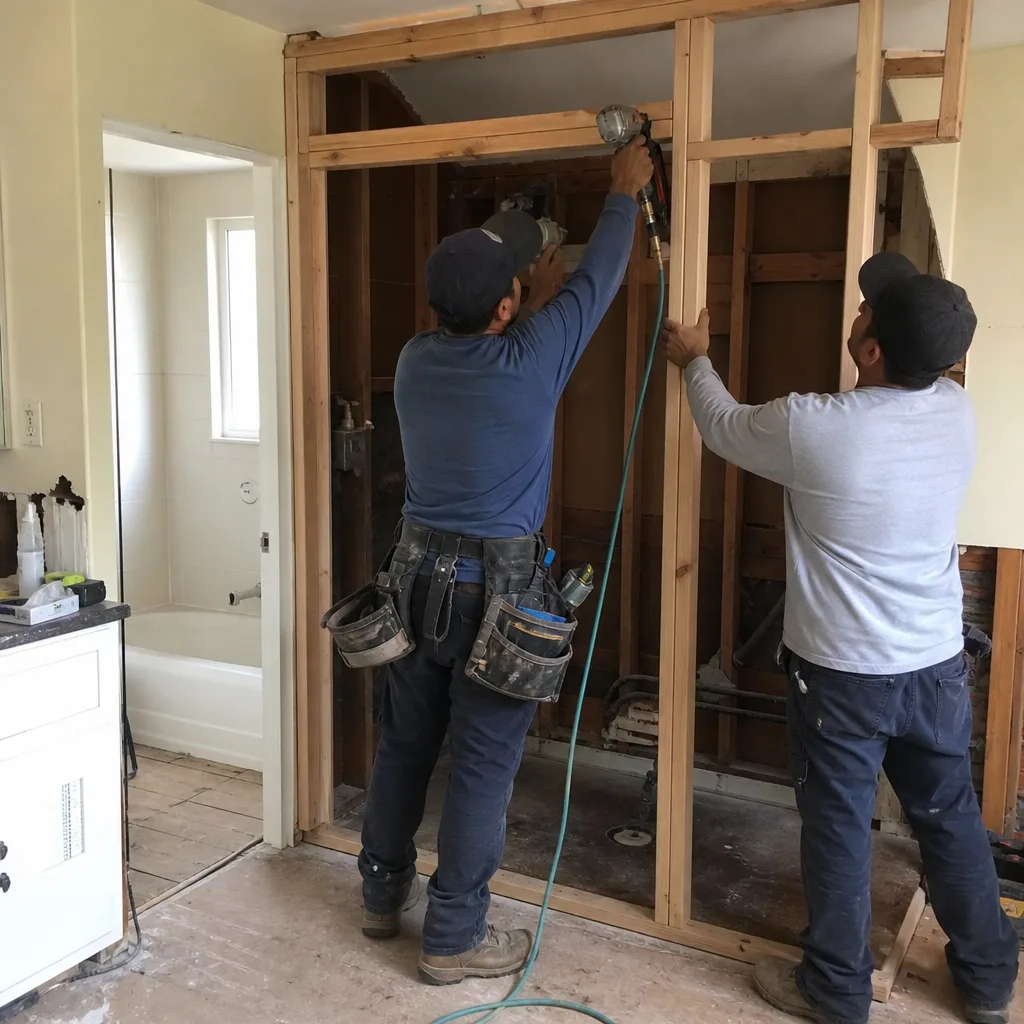
Call a professional for: undermount sink clip reattachment or epoxy repair - improper torque cracks stone countertops; any electrical work near water sources - California requires licensed electricians for outlet and switch work in kitchens; gas line modification or appliance connection - this is legally restricted work for safety reasons; tile reinstallation where substrate damage is suspected - the repair scope may extend beyond visible tile; and cabinet door replacement or hinge mortise repair - matching finish and alignment requires shop equipment.
Rowan Construction Group Santa Clarita offers free estimates in Santa Clarita - call (747) 294-3985. We also provide a Free Second Opinion on any written estimate; bring a competitor’s quote and we’ll review it line by line at no charge. Every project is quoted with a flat written price and written scope before work begins, under Clause 1 of the Haven Standard.
Frequently Asked Questions
Annual maintenance for a typical Santa Clarita kitchen runs $200-$400 in materials and minor repairs if done proactively. This includes caulk, grout sealer, range hood filters, faucet aerators, and cleaning supplies. Deferred maintenance that leads to water damage or countertop replacement runs $1,500-$6,000. Call (747) 294-3985 for an exact quote on any repair - estimates are free.
No. Under the Haven Standard, no work proceeds on a change until the change order is signed. The administrative discipline Haven acquired Rowan for, and the reason projects finish within a few percent of the agreed cost across 4,000-plus jobs. The price you agree to in writing is the price you pay.
Every 12-18 months for standard cement grout in high-use areas - the backsplash-to-counter joint and behind the cooktop. Epoxy grout doesn’t require sealing but should still pass the water-bead test. If water penetrates epoxy grout, the grout itself is compromised and needs replacement.
Maintenance - cleaning, filter replacement, caulk renewal - never requires permits. Repairs involving electrical, plumbing, or structural modification do. In Santa Clarita, the Building and Safety Division reviews permits for any work beyond like-for-like replacement. We pull permits and pass inspections on every job that requires them; the closeout documentation becomes part of your file.
Conversion varnish over standard lacquer, specified at order. It has higher thermal stability and better UV resistance. KraftMaid and Wellborn both offer this upgrade. For extreme exposure, consider solid wood with a light-colored paint or stain rather than dark colors that absorb more solar energy.
Minimum 300 CFM for standard residential cooktops, 600 CFM for pro-style or high-BTU ranges. The hood should capture smoke and steam without it escaping to the sides. If you smell cooking odors in adjacent rooms within 2-3 minutes of starting, the hood is undersized, improperly ducted, or the filters are clogged. We assess ventilation sizing during every kitchen remodeling in Santa Clarita consultation.
The Bottom Line
Santa Clarita’s kitchen maintenance is specific to our conditions: hard water that degrades grout and caulk faster than national averages, summer heat cycling that stresses cabinet finishes, and gas cooking that demands more from ventilation systems. Inspect at 6, 12, and 24 months using the water-bead test and the checklist above. Protect cabinet finishes from solar heat gain. Use pH-neutral cleaners on quartz and document every maintenance action for warranty purposes. Keep your post-remodel documentation complete - permits, warranties, brand records, and as-built photos - because you’ll need it at sale or for any claim. The homeowners who avoid surprise repair costs are the ones who treat maintenance as scheduled, not reactive.
Written by Grant Rowan, Owner at Rowan Construction Group Santa Clarita, serving Santa Clarita since 2007.