
Last updated September 24, 2026
Free written scope consultation - allowances, timeline, and change-order rules on paper before a single trade is scheduled
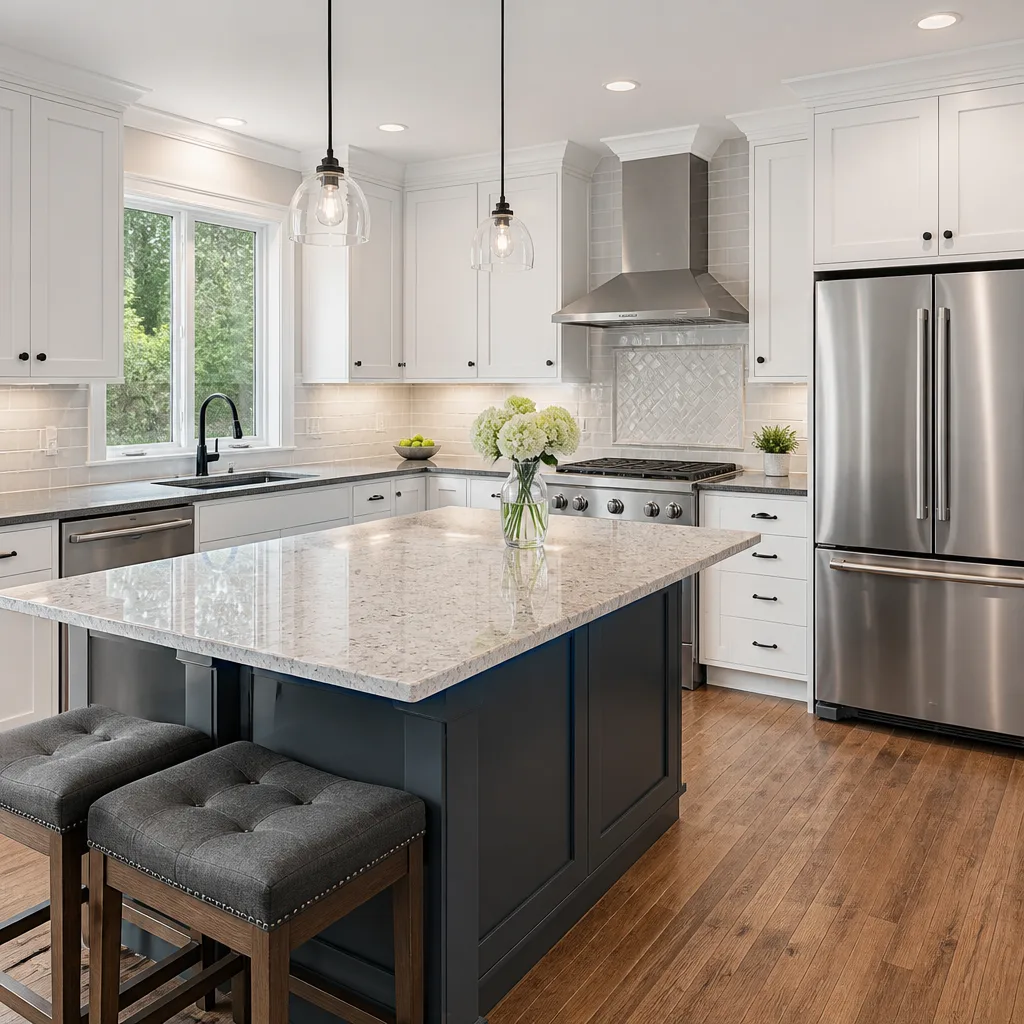
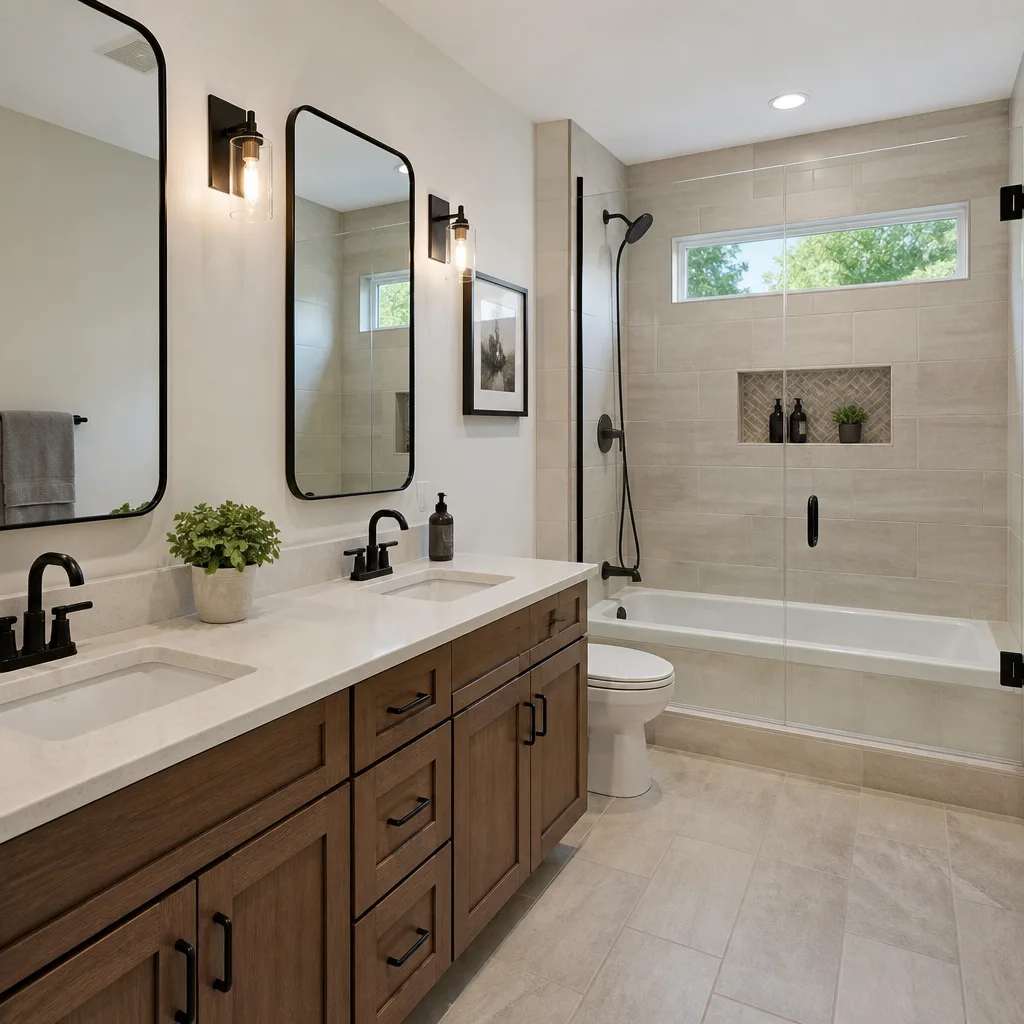
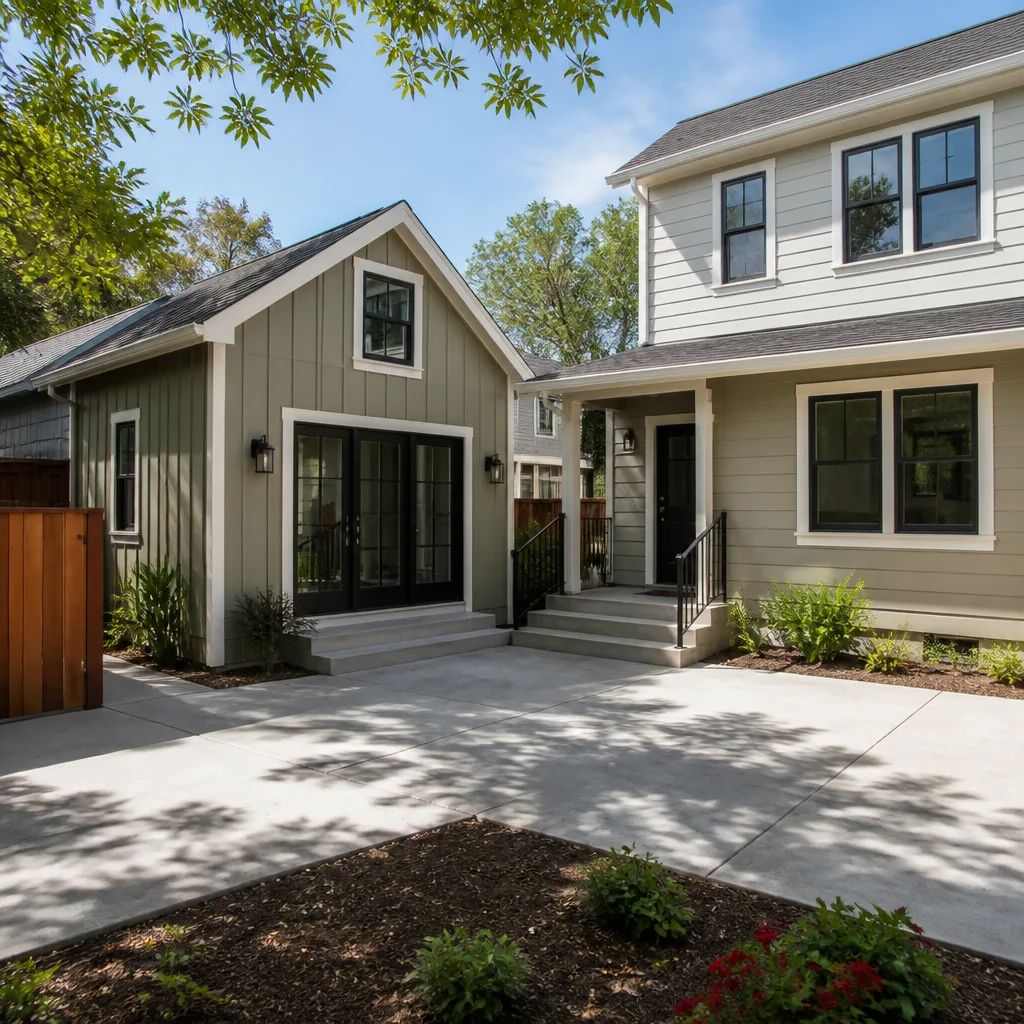

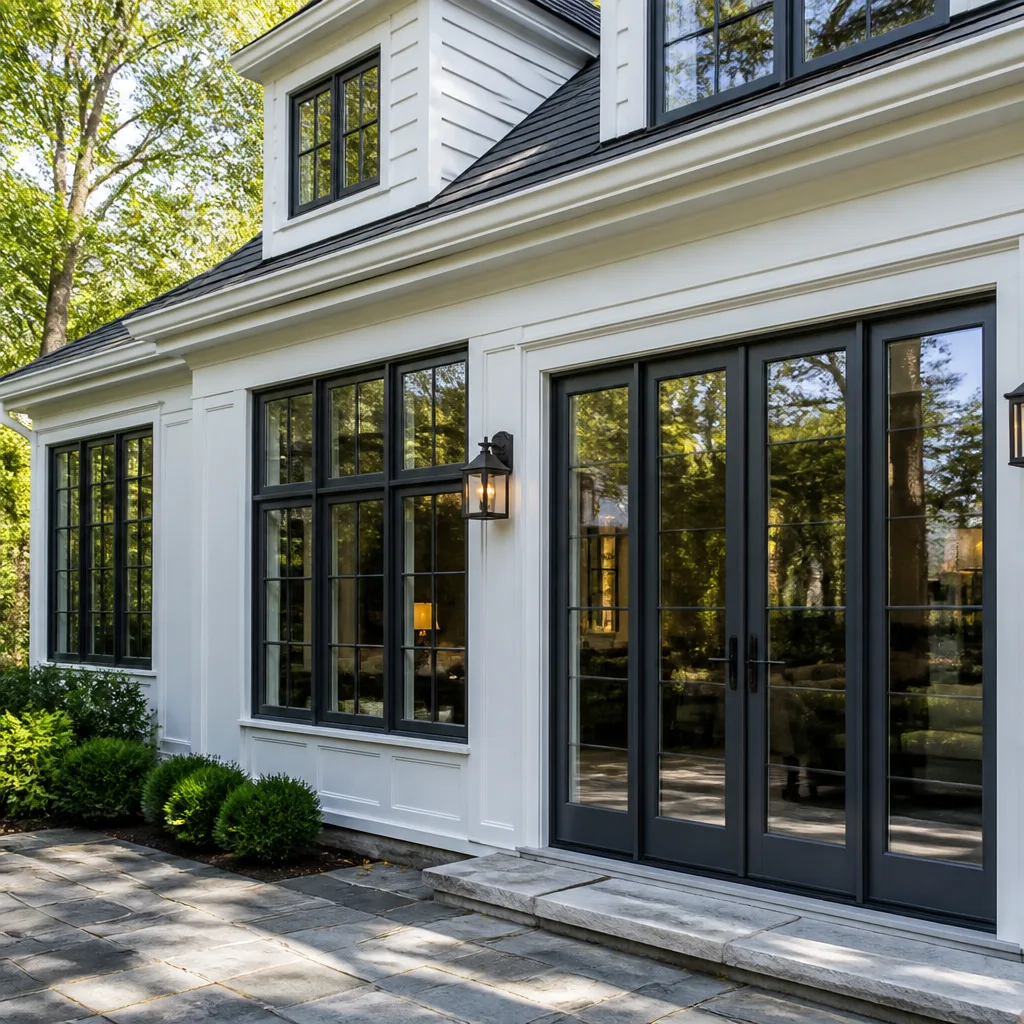
 Before
 After
After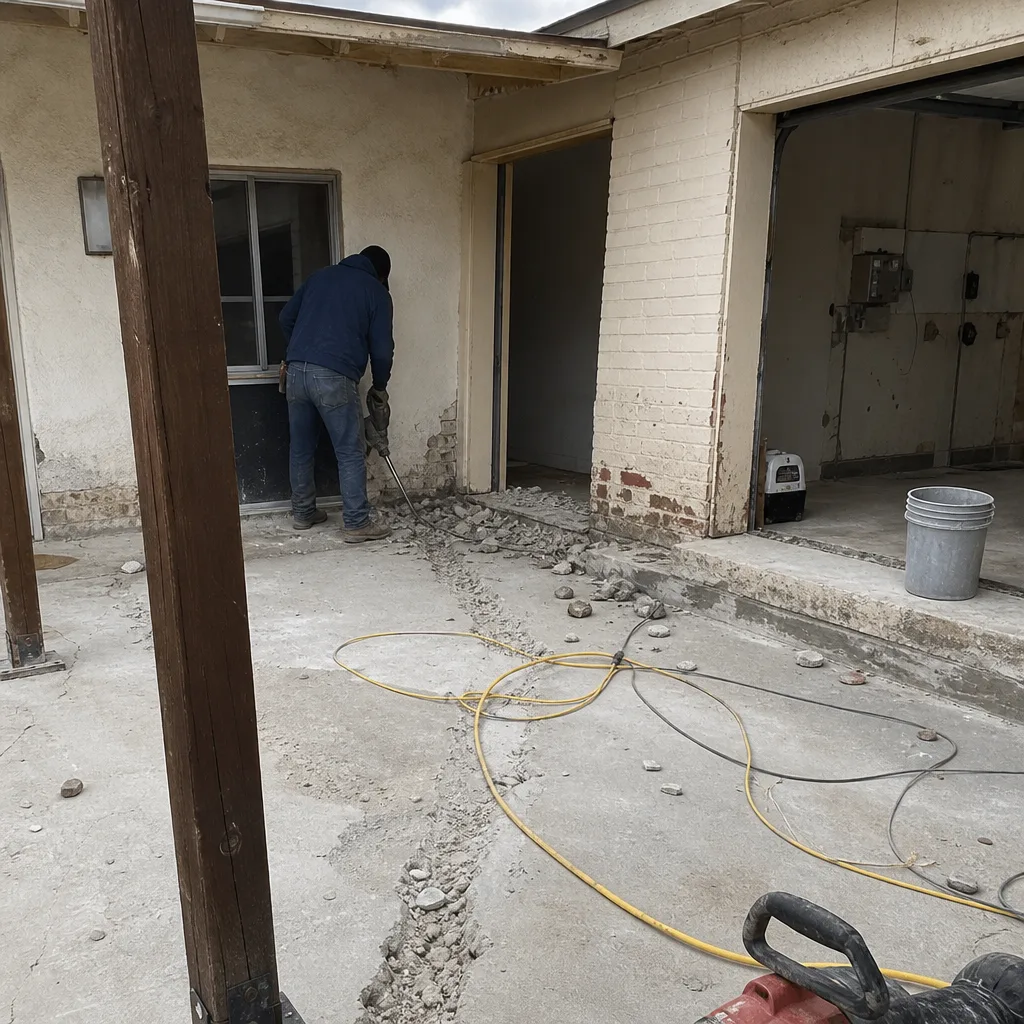 Before
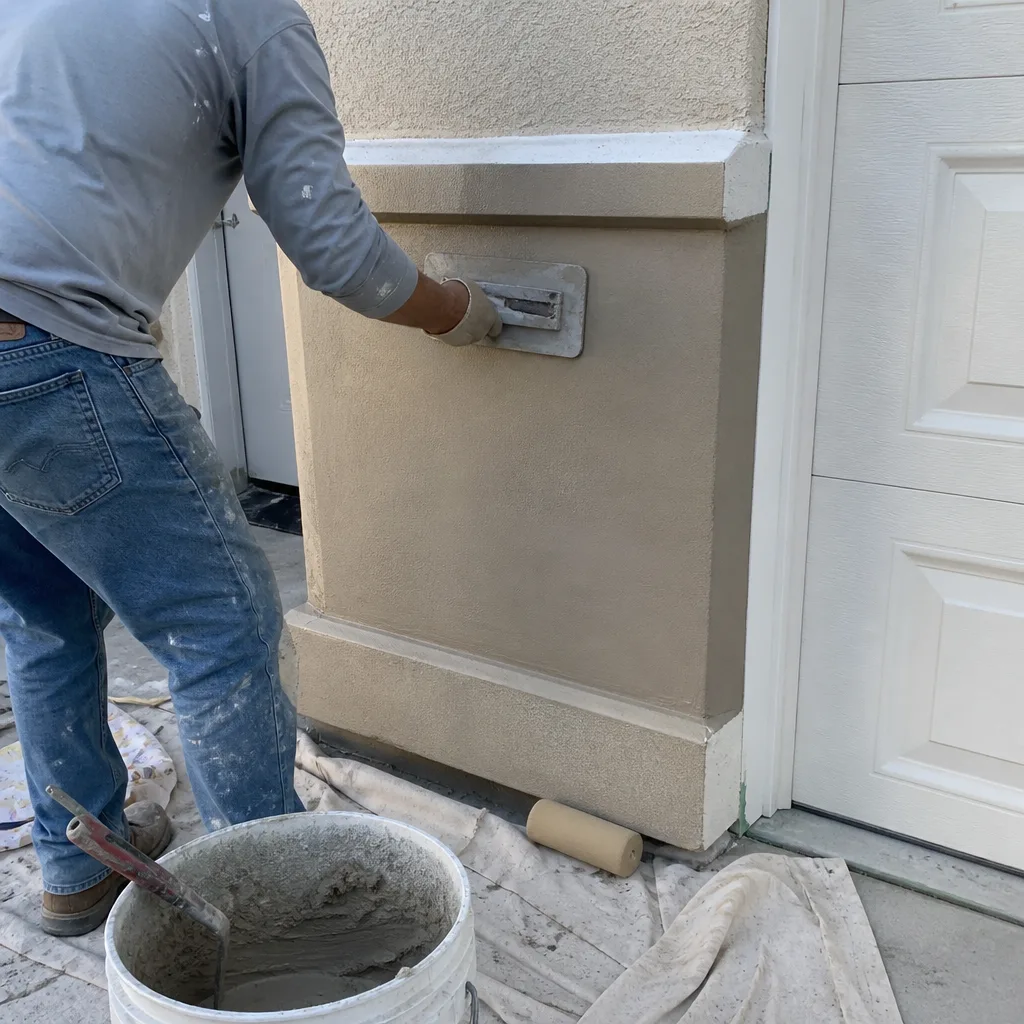 After
After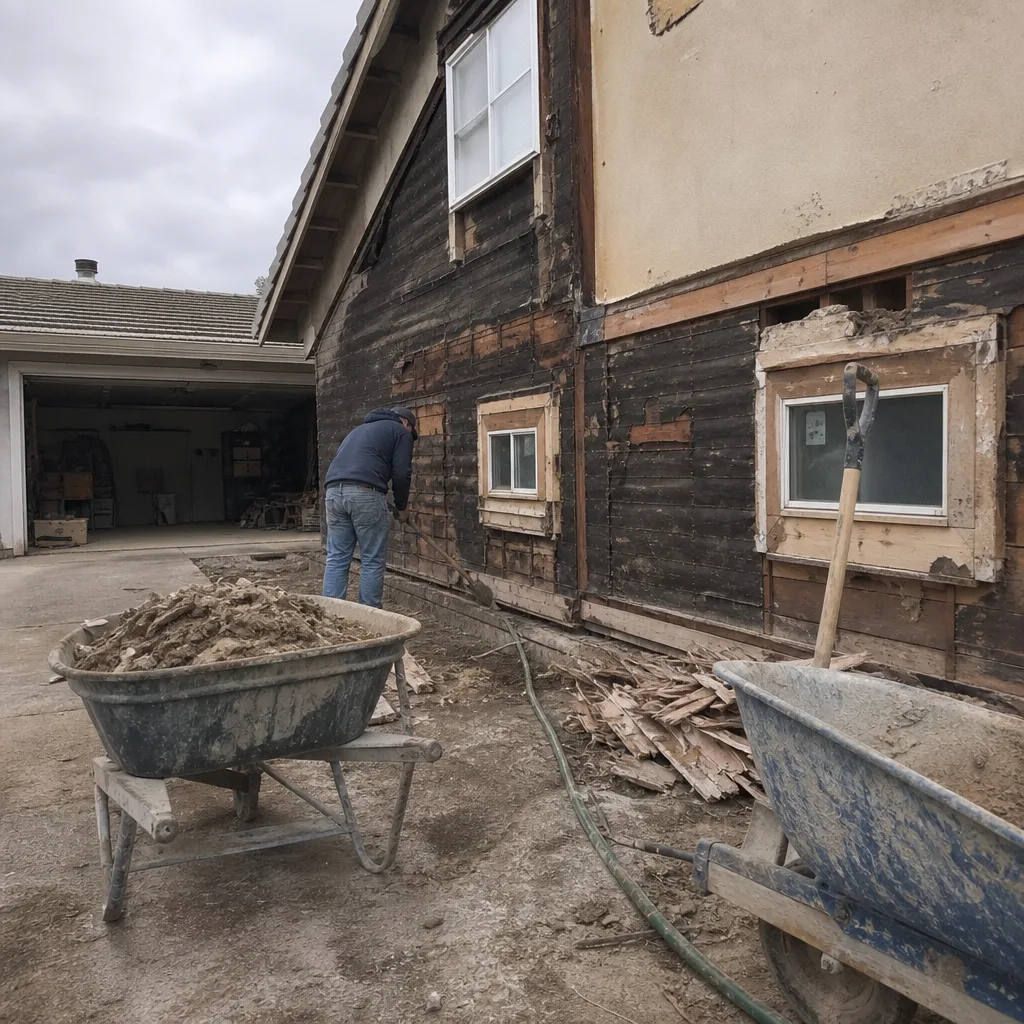 Before
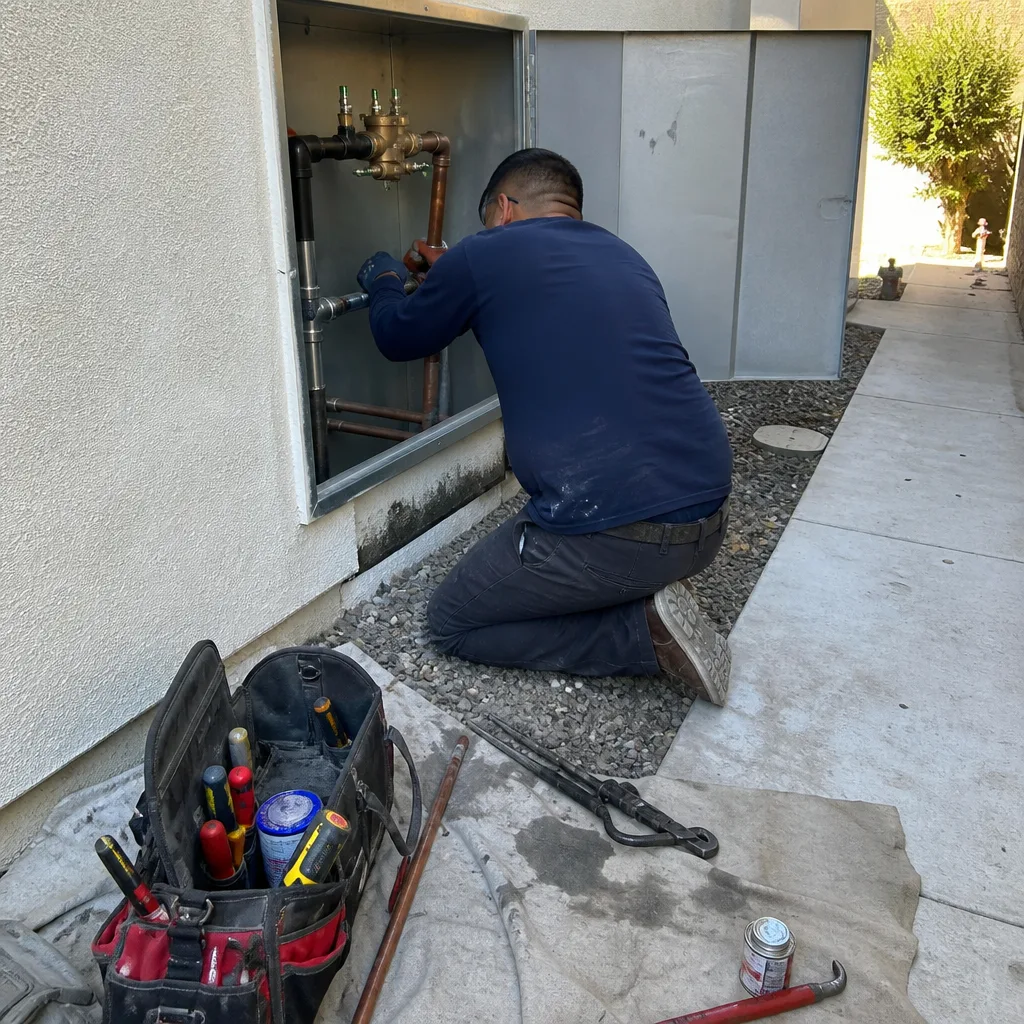 After
AfterHow to Hire a Construction Contractor in Santa Clarita: A Step-by-Step Guide
California’s Contractors State License Board lists 42 active license classifications. A general contractor holding a Class B license can legally do your kitchen remodel, but if he subs the electrical to an unlicensed handyman - which is illegal - you are the responsible party if someone is injured. Knowing how to verify the sub’s license takes 90 seconds on the CSLB site. In Santa Clarita, where the building department processed over 4,000 residential permits last year, the difference between a project that finishes on budget and one that ends in litigation usually comes down to paperwork reviewed before anyone picks up a tool. This guide walks through that paperwork, field by field, form by form, and you can find more guides & resources on our blog.
Quick Answer
Hiring a construction contractor in Santa Clarita requires verifying three documents before signing: an active CSLB license with current workers’ compensation coverage, a written contract that complies with California Business & Professions Code §7159, and a permit history clean of open or expired permits. For a broader overview, see The Complete Guide to Construction in Santa Clarita. Request a line-item bid with specified materials rather than allowances, and insist that every scope change be documented on a signed change order before work proceeds.
Table of Contents
- How to Verify a CSLB License in California
- What a Legal California Contractor Agreement Must Include
- How to Read a Bid Line by Line
- The Signed Change Order Requirement
- Santa Clarita-Specific Due Diligence
- Red Flags That Should Stop the Process
- The Pre-Signing Documentation Checklist
- Common Mistakes to Avoid
- When to Call a Professional
- Frequently Asked Questions
BeforeAfterHow to Verify a CSLB License in California
The CSLB license check is the most important 90 seconds you’ll spend on any contractor. Go to cslb.ca.gov, click “Check a License,” and enter the six- or seven-digit license number. Do not accept a business card with only a company name. The license number is public record, and a contractor who hesitates to provide it is telling you something.
Here’s what to read on the results page, field by field:
- License Status: “Clear” means no disciplinary action is pending. “Suspended” means the contractor cannot legally work - do not proceed. “Revoked” is permanent. We’ve seen homeowners in Santa Clarita discover a “clear” status that turned out to be conditional on a bond filing; click through to the detail page and read the fine print.
- Expiration Date: California licenses expire every two years. A contractor working with an expired license is working illegally, and any contract you sign is unenforceable in your favor.
- Bond Amount: As of 2024, the required contractor bond is $25,000. This is not insurance - it is a guarantee fund that pays homeowners for financial loss due to license law violations. Verify the bond is current and issued by a surety company listed on the CSLB site.
- Workers’ Compensation Status: This field shows “Exempt” or “Certificate on File.” Exempt means the contractor has no employees, which is legal for a sole operator but unusual for a firm doing whole-home work. If the status says exempt and a crew of four shows up, that’s a violation. Certificate on File means coverage is active; note the expiration date and cross-check it against your project timeline.
- Qualifier Name: The person listed as the Responsible Managing Officer or Employee (RMO/RME) is the only individual whose qualifications the CSLB has verified. If your sales contact claims to be the owner but a different name appears here, ask directly who will be supervising your job site.
In our experience across 4,000-plus projects, the most common CSLB issue we encounter is a contractor using a valid license number that belongs to a different corporate entity. The license detail page shows the legal business name - compare this to the name on the contract and the name on the estimate. A mismatch is a stop sign.
For kitchen remodeling in Santa Clarita or any trade involving multiple crafts, verify the subcontractor licenses too. The general contractor’s Class B license covers supervision, but electrical, plumbing, and HVAC each require their own CSLB classification (C-10, C-36, and C-20 respectively). Ask for the sub’s license numbers and run them independently.
What a Legal California Contractor Agreement Must Include
California Business & Professions Code §7159 mandates specific content in every home improvement contract over $500. A contractor who hands you a one-page proposal or a “standard form” from an office store is not compliant, and non-compliance voids certain protections you would otherwise have.
Here are the required elements, with the three clauses most homeowners skip:
Required Elements Under §7159
- The contractor’s name, address, and CSLB license number - prominently displayed
- The date the contract was signed and the date work will begin and substantially conclude
- A description of the work to be done, with attached plans and specifications if applicable
- The total contract price, including any finance charges
- The schedule of payments, which for residential projects cannot exceed 10% or $1,000 (whichever is less) as a down payment, with subsequent payments tied to completion of specific work phases
- A notice of the three-day right to cancel, in at least 10-point bold type
- A notice that the contractor must be licensed and that you may contact the CSLB at (747) 294-3985
Three Clauses Homeowners Skip (And Regret)
1. The Lien Release Protocol
California allows contractors, subcontractors, and material suppliers to file mechanics liens against your property if they are not paid - even if you paid the general contractor in full. Your contract should specify that the contractor will provide unconditional lien releases from every sub and supplier before you release final payment. Without this clause, you have no contractual mechanism to force the documentation. In Santa Clarita, where many projects involve specialized trades (tile setters from the San Fernando Valley, roofing crews from Palmdale), the sub network is wide and the lien risk is real.
2. The Scope Change Procedure
§7159 requires that any contract change be in writing and signed by both parties. But the statute does not specify the format. Insist on a change order template attached as an exhibit to the main contract, with fields for: the original scope item, the changed scope item, the cost difference, the schedule impact, and signatures with dates. Under Clause 1 of The Haven Standard, Rowan Construction Group delivers this template with every contract - no change proceeds without the signed form.
3. The Dispute Resolution Mechanism
Many contracts default to litigation in Superior Court, which in Los Angeles County means a 12- to 18-month wait and five-figure legal fees. A binding arbitration clause, or better yet, a requirement to attempt CSLB mediation before either party files suit, can resolve disputes in weeks rather than years. The CSLB offers free mediation services; a contract that references this option preserves it.
How to Read a Bid Line by Line
A bid is a risk allocation document disguised as a price. The numbers that matter are not just the bottom line, but which party bears the cost if material prices change, if site conditions differ from expectation, or if the homeowner selects a different product than the one assumed.
The Allowance Problem
An “allowance” is a dollar amount inserted in a bid to represent an unknown future selection - typically for finishes like tile, countertops, or fixtures. The contractor estimates $4,000 for kitchen countertops; you later select a material that costs $6,500 installed. You pay the difference. This seems fair, but the allowance mechanism transfers three risks to you: the risk that the contractor’s estimate was low, the risk that your selections exceed a reasonable range, and the risk that the contractor’s markup on the allowance item is undisclosed.
Here’s how to restructure allowances into specified line items before signing:
- Request that every allowance over $500 be replaced with a specific product or product tier. For example: “Cambria quartz countertop, Brittanicca pattern, 3 cm thickness, eased edge profile, installed” - or a written alternative selection process with a pre-agreed markup percentage.
- For items where selection is genuinely deferred, cap the contractor’s markup on the allowance at a specified percentage (typically 15-20% for materials, 0% for subcontracted labor where the sub bills directly).
- Require that any allowance overrun beyond 15% of the stated amount trigger a mandatory change order with your written approval before purchase.
In bathroom remodeling in Santa Clarita, where water conservation codes require specific fixture flow rates and where tile selections range from $3 to $45 per square foot, unspecified allowances are a primary source of post-signing conflict. A written quote with specified materials eliminates the ambiguity.
Line Items to Verify
- Demolition and disposal: Does the bid include haul-away and dump fees, or is “disposal” listed separately with an open-ended estimate? Santa Clarita’s proximity to Chiquita Canyon Landfill affects hauling costs, but they should be fixed in the bid.
- Permit fees: The City of Santa Clarita publishes its fee schedule; verify the bid amount against the published rate for your project valuation. A contractor who marks up permit fees without disclosure is violating §7159.
- Contingency: A 5-10% contingency for unforeseen conditions is standard on older homes, but it should be a separate line item with a defined trigger (e.g., “active water damage discovered behind existing drywall”) and your written authorization required for expenditure.
- Warranty terms: The statutory minimum is one year for workmanship. Rowan Construction Group’s 365-Day Done Right Promise extends beyond this: if it is not done right, we make it right, backed by The Haven Standard’s terms page - not an asterisk.
The Signed Change Order Requirement
Every scope change in California must be in writing to be enforceable. This is not a best practice; it is a legal requirement under §7159, and it is the single most common source of contractor-homeowner litigation. The homeowner says the contractor promised to “throw in” the upgraded faucet; the contractor says the homeowner authorized a $900 change verbally. Without a signed document, both parties have a problem.
A valid change order must contain:
- Reference to the original contract date and project address
- Description of the work being changed, added, or deleted
- The cost or credit associated with the change
- The schedule impact, if any
- Signatures of both parties, with dates
The discipline that matters is procedural: no work proceeds on a change until the change order is signed. This is the administrative practice Haven acquired Rowan for, and it is the reason our projects finish within a few percent of the agreed cost across 4,000-plus jobs. A contractor who begins changed work “while the paperwork catches up” is creating unenforceable obligations and inviting dispute.
Request a blank change order form before you sign the main contract. Review it for completeness. If the contractor does not have one, that is information about their operational maturity.
Santa Clarita-Specific Due Diligence
Santa Clarita operates under Los Angeles County’s building authority for certain permit types, while maintaining its own planning and code enforcement division. This split jurisdiction creates specific verification steps that contractors in single-jurisdiction cities do not face.
Checking Permit History
The LA County Department of Public Works maintains a public permit search at dpw.lacounty.gov. Enter the contractor’s business name or license number to view:
- Permits pulled by address (useful if you know previous project locations)
- Permit status: issued, final inspection passed, expired, or revoked
- Stop work orders or code violations associated with the permit
An open permit on a contractor’s record means final inspection was never obtained. This is common on projects where the contractor abandoned the job or where the homeowner and contractor disputed completion. An expired permit means work was not started within the required timeframe (typically 180 days in LA County), which may indicate scheduling problems or permit shopping.
For projects in Santa Clarita’s newer developments - Valencia’s newer villages, for example, or the Canyon Country areas built after 2015 - verify that the contractor has experience with your specific community’s design guidelines. Many Santa Clarita neighborhoods operate under homeowners associations with architectural review requirements that run parallel to city permits. A contractor who pulls the city permit but ignores the HOA review can leave you with a completed project and a compliance violation.
Climate and Code Considerations
Santa Clarita’s location in the Santa Clara River valley creates specific building conditions addressed in our Seasonal Construction Care for Santa Clarita: Year-Round Homeowner’s Guide. Summer temperatures exceed 100°F regularly, which affects concrete curing times for driveway and foundation work. Winter Santa Ana winds create fire risk zones with specific roofing material requirements - Class A fire-rated assemblies are mandated in many hillside areas. The 1994 Northridge earthquake revised seismic codes for the region; homes built before 1995 may require structural upgrades for second-story additions or ADUs.
A contractor working in Santa Clarita should reference these conditions in their proposal. If your project involves roofing in Santa Clarita, the bid should specify whether the assembly meets current fire and wind uplift standards, not just the code in force when the home was built. Brands like IKO, Atlas, and Tamko manufacture Class A-rated shingles with specific wind warranties; the bid should name the product and the warranty term, not just “30-year shingles.”
Red Flags That Should Stop the Process
Some signals are definitive. Others warrant deeper investigation. Here is the distinction:
Stop Immediately
- No CSLB license number provided, or license status other than “clear”
- Request for payment exceeding 10% or $1,000 before work begins (whichever is less)
- Pressure to sign today to “lock in pricing” - legitimate pricing is documented, not time-limited
- Contract lacks the three-day right-to-cancel notice required by §7159
- Contractor proposes work without permits, or suggests you pull the permit as “owner-builder” while they do the work
Investigate Further
- Bid is significantly lower than others - more than 15% below the median of three written quotes suggests omitted scope, substandard materials, or unsustainable pricing
- Contractor has no physical business address, or uses a residential address with no commercial presence
- Online reviews mention the same complaint pattern: started strong, disappeared during final phase, unresponsive to punch list
- Bid uses only allowances with no specified materials for finish items over $500
- Contractor cannot produce a certificate of insurance naming you as additional insured upon request
The “owner-builder” arrangement deserves specific warning. If a contractor suggests you pull the permit to save money, you assume liability for code compliance, workers’ compensation coverage, and structural warranty. The contractor gains legal distance from the project. This is a common arrangement in informal labor markets; it is not a legitimate practice for licensed residential construction.
The Pre-Signing Documentation Checklist
Before signing any contract, assemble this file. If an item is missing, the signing waits.
- CSLB license verification printout - screenshot the full detail page, including bond and workers’ comp status
- Certificate of insurance - general liability and workers’ compensation, with your property address listed or a certificate naming you as additional insured
- Written contract - compliant with §7159, with all blank fields completed, including start and completion dates
- Line-item bid - specified materials where possible, capped allowances where not, with permit fees and contingency broken out separately
- Change order template - blank form attached as contract exhibit, with all required fields
- Lien release protocol - written commitment to provide unconditional releases from all subs and suppliers before final payment
- Permit history check - LA County DPW search results for contractor’s recent projects
- References with addresses - three completed projects in the last 18 months, with permission to view the work
- Warranty document - written terms, duration, and scope of coverage, with procedure for claiming
- Three-day right-to-cancel notice - separately signed and dated, as required by law
Rowan Construction Group delivers items 1, 3, 4, 5, 6, and 9 as standard on every project. The documented photo record on every visit - included, not optional - provides additional verification of work performed. Under The Haven Standard, Clause 1 requires the written price before any work starts; the documentation package is the implementation.
Common Mistakes to Avoid
- Verifying only the sales contact’s license. The person who bids your job may not be the licensed qualifier. Verify the RMO/RME name on the CSLB detail page and confirm who supervises site work.
- Accepting a “verbal estimate” as a placeholder. California law requires a written contract for home improvement work over $500. A verbal estimate has no enforcement mechanism and invites scope creep.
- Ignoring the permit history on a flip or recent sale property. In Santa Clarita’s active resale market, many homes have unpermitted additions from prior owners. Starting new work without resolving open permits can trigger code enforcement review of the entire property.
- Paying the final installment before final inspection. The contract should tie final payment to CSLB-compliant completion criteria, not just “when it looks done.” In Santa Clarita, this means final inspection passed and certificate of occupancy or completion issued where required.
- Failing to verify HOA architectural review requirements. Valencia, Saugus, and Canyon Country neighborhoods often have parallel approval processes. City permit plus HOA violation equals project delay and potential fine.
- Assuming “bonded” means “insured.” The $25,000 contractor bond is a license compliance guarantee, not project insurance. It pays only for license law violations, not defective work or property damage. General liability insurance is separate and essential.
- Skipping the reference visit. Photos in a portfolio are curated. A 20-minute visit to a completed project, ideally one 12-18 months old, reveals settling, wear patterns, and how the contractor responds to callback requests.
When to Call a Professional
Call a licensed contractor when the project involves structural modification, electrical or plumbing work, roofing above single-story height, or any work requiring a city permit. These are not DIY decisions in California; they are regulated trades with liability exposure that homeowners typically underestimate.
Specifically in Santa Clarita: if your home was built before 1995 and you’re considering a second-story addition or ADU, have a structural engineer evaluate the foundation and framing before soliciting bids. The cost of this evaluation - typically $800-$1,500 - prevents the far greater cost of discovering inadequate shear walls after demolition begins. If you’re replacing roofing in a hillside fire zone, the assembly must meet current Class A and wind uplift standards; a contractor who does not reference these requirements in the bid is not current on code.
Rowan Construction Group Santa Clarita offers free estimates in Santa Clarita - call (747) 294-3985. We also provide a Free Second Opinion on any written estimate: bring a competitor’s quote and we will review it line by line at no charge, using the same documentation standards we apply to our own work.
Frequently Asked Questions
General contractor fees in Santa Clarita typically range from 15% to 25% of total project cost for new construction, and 10% to 20% for remodeling, with kitchen remodels averaging $75,000-$150,000 and bathroom remodels $35,000-$75,000 for mid-range finishes. After your project wraps, follow our Kitchen Remodeling Maintenance Checklist for Santa Clarita Homeowners to protect your investment. These figures include materials, labor, permits, and contractor overhead; they do not include design fees or furnishings. Call (747) 294-3985 for an exact quote - estimates are free.
Verify the CSLB license is active with current workers’ compensation coverage, confirm the contract includes all required elements under Business & Professions Code §7159, and check the contractor’s permit history with LA County Department of Public Works for open or expired permits. Request a line-item bid with specified materials rather than open allowances, and attach a blank change order form as a contract exhibit.
California law limits pre-work deposits to 10% of the contract price or $1,000, whichever is less. Any request exceeding this amount is illegal. The deposit must be applied to your project, not used for the contractor’s general operations. Subsequent payments should be tied to completion of specific work phases, documented in the contract.
Projects involving structural changes, electrical, plumbing, HVAC, roofing, windows, or additions require permits through the City of Santa Clarita or LA County Department of Public Works, depending on jurisdiction. Cosmetic work like painting, flooring, and cabinet replacement typically does not. When in doubt, call the Santa Clarita Building & Safety Division at (747) 294-3985 before starting work; unpermitted construction must be disclosed on sale and can trigger retrofit requirements.
A mechanics lien is a legal claim against your property filed by contractors, subcontractors, or material suppliers who were not paid for work on your project. To prevent liens, include a lien release protocol in your contract requiring unconditional releases from all parties before you release final payment. Pay with joint checks to contractor and sub together when possible, and never pay final installment until all releases are in hand.
The price should not change for the agreed scope of work. Under The Haven Standard, Rowan Construction Group delivers a flat written price with a written scope before work begins, and no change proceeds without a signed change order. If a contractor claims “we won’t know until we open the walls,” that uncertainty should be addressed with a defined contingency amount and specific trigger conditions in the original contract, not an open-ended authorization after demolition.
The Bottom Line
Hiring a contractor in Santa Clarita is a document review exercise. The CSLB license verification, the §7159-compliant contract, the line-item bid with specified materials, and the signed change order protocol tell you more about project outcome than any sales presentation. Run the checks methodically, refuse to sign until the file is complete, and remember that a contractor who resists documentation is providing information you need.
Rowan Construction Group has operated under these standards since 2007. The Haven Standard requires the written price before any work starts, the signed change order before any scope change proceeds, and the documented photo record on every visit as standard deliverable. These are not marketing claims; they are operational disciplines with 4,000-plus project records behind them.
Written by Grant Rowan, Owner at Rowan Construction Group Santa Clarita, serving Santa Clarita since 2007.