
Last updated September 24, 2026
Free written scope consultation - allowances, timeline, and change-order rules on paper before a single trade is scheduled







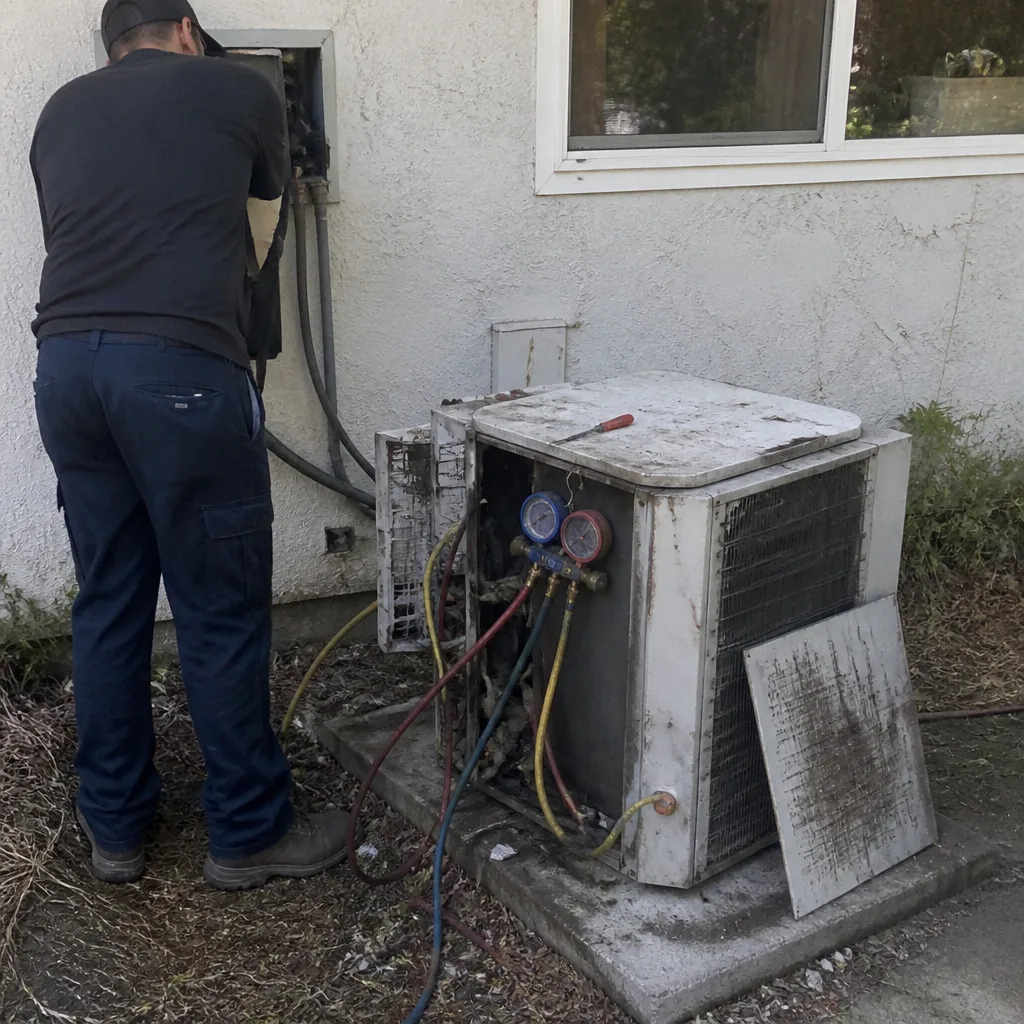 Before
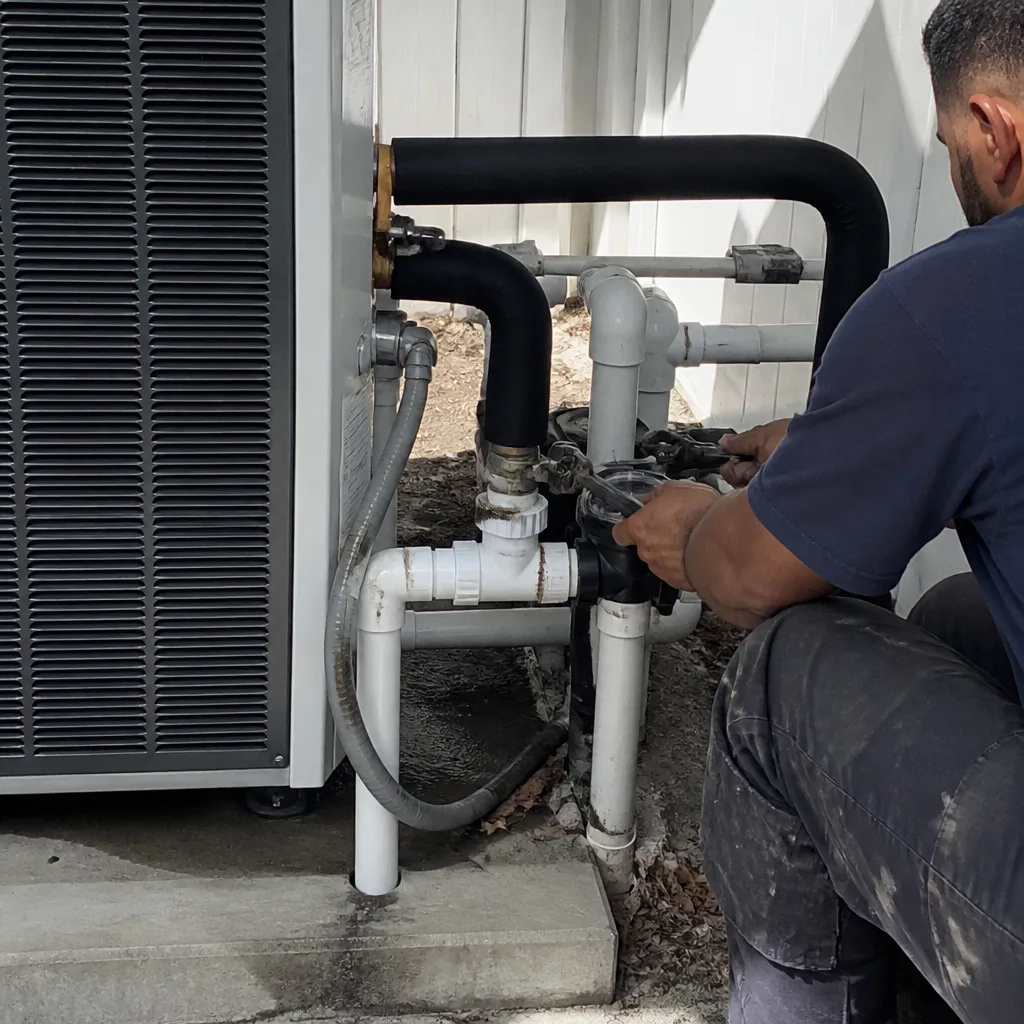 After
After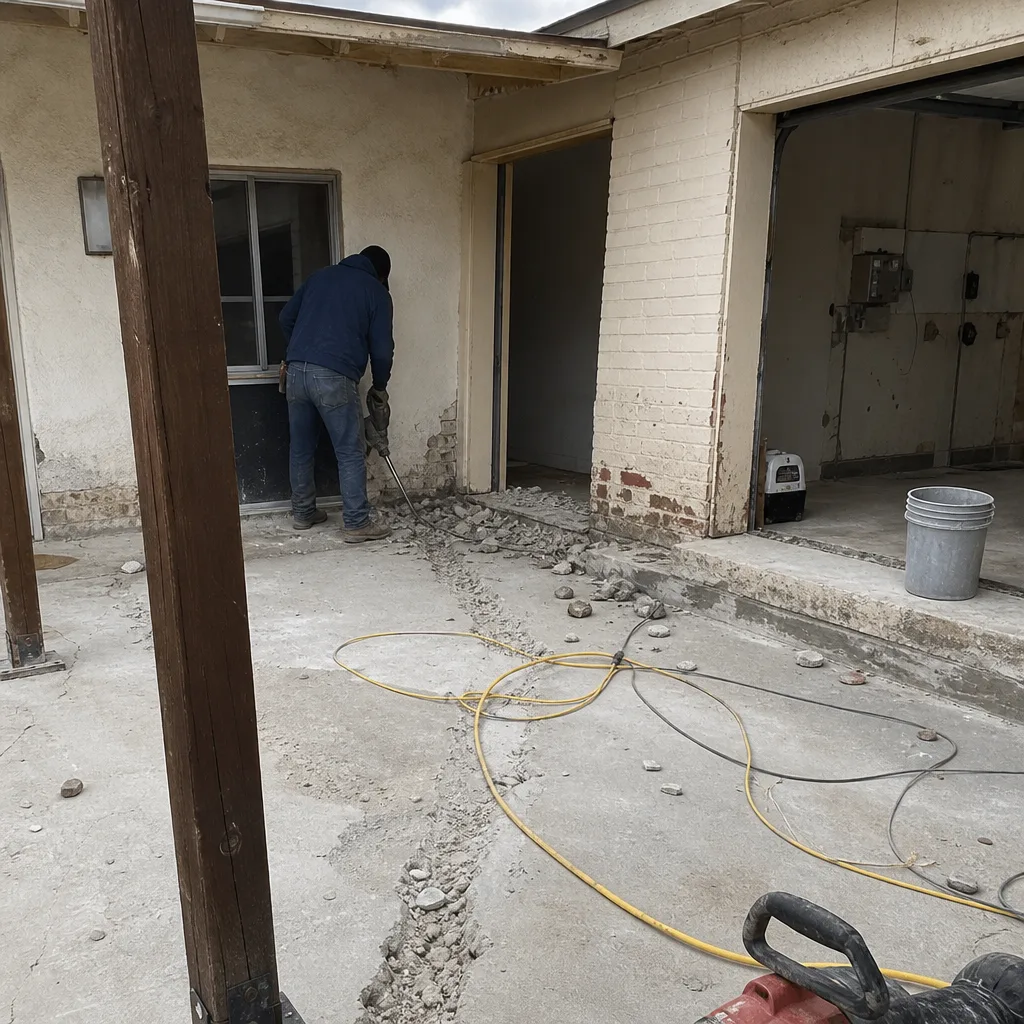 Before
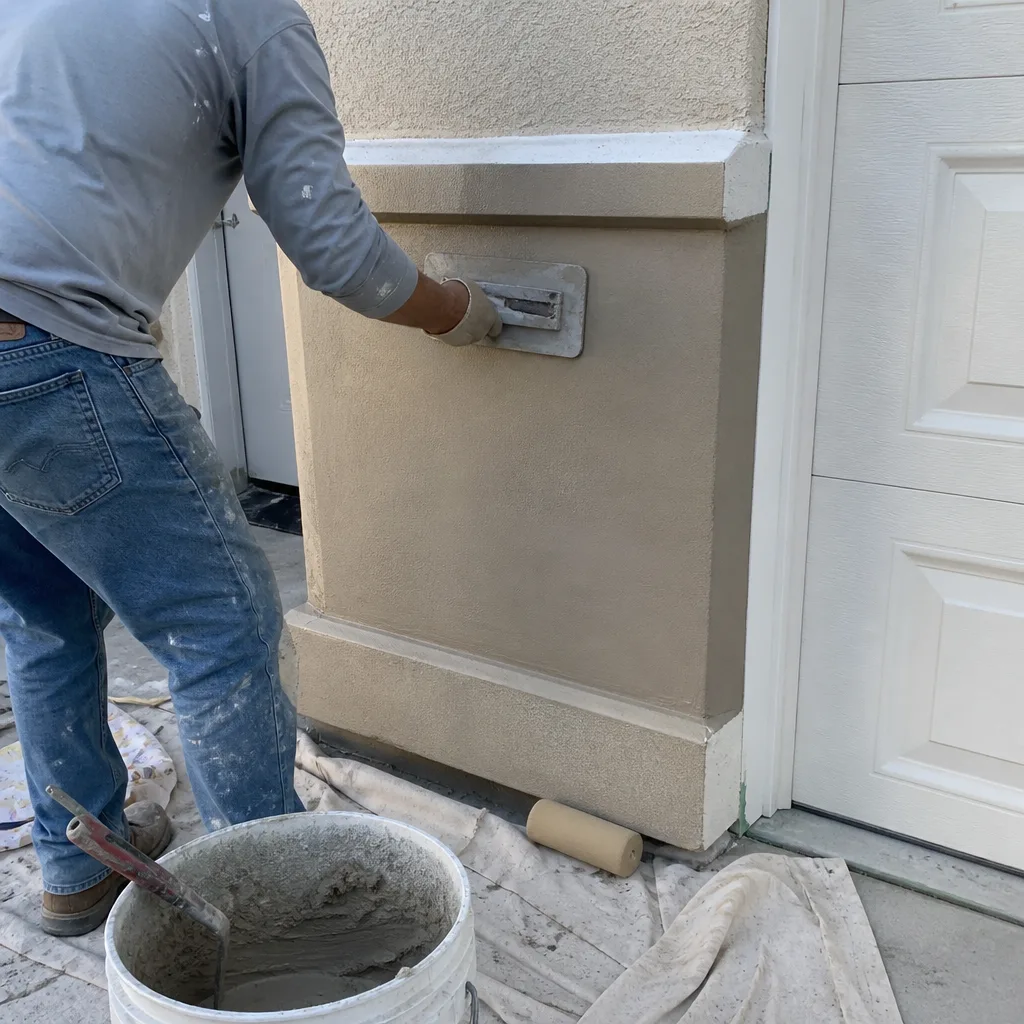 After
After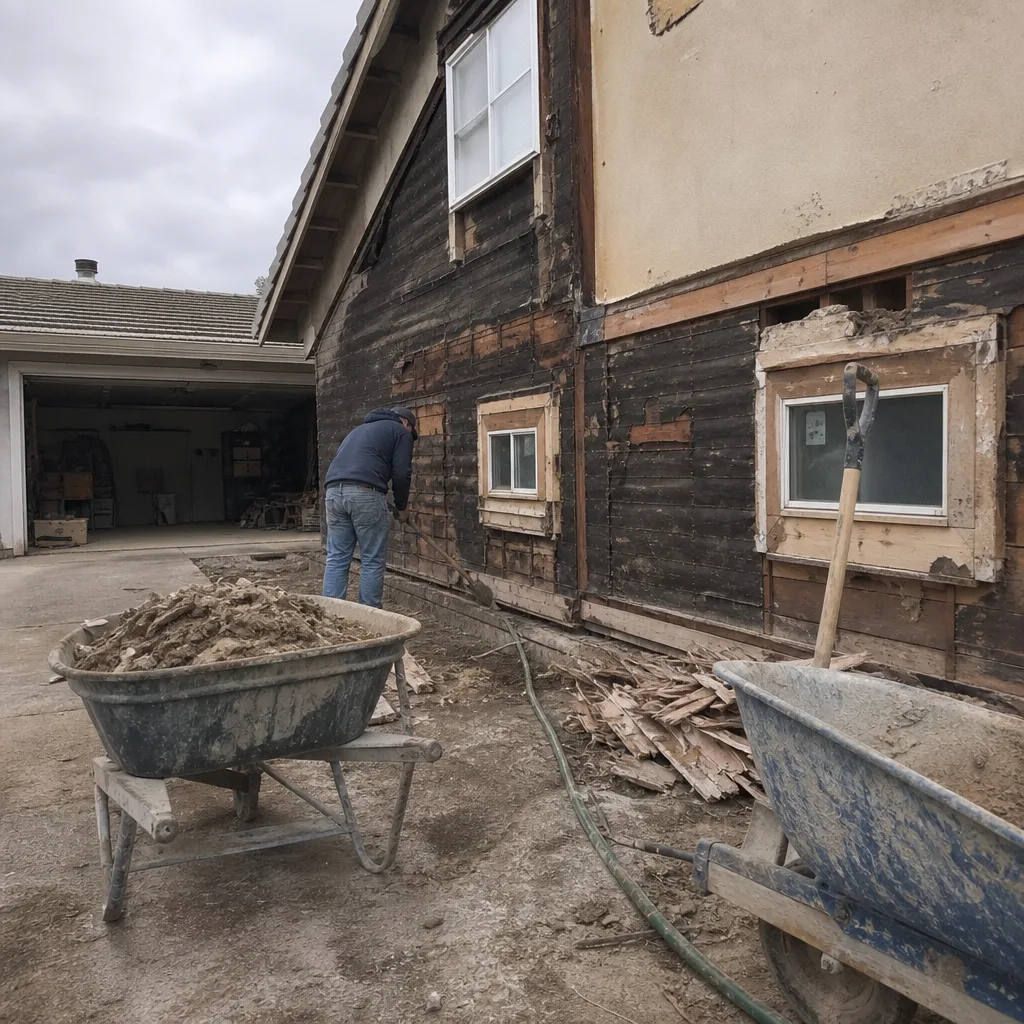 Before
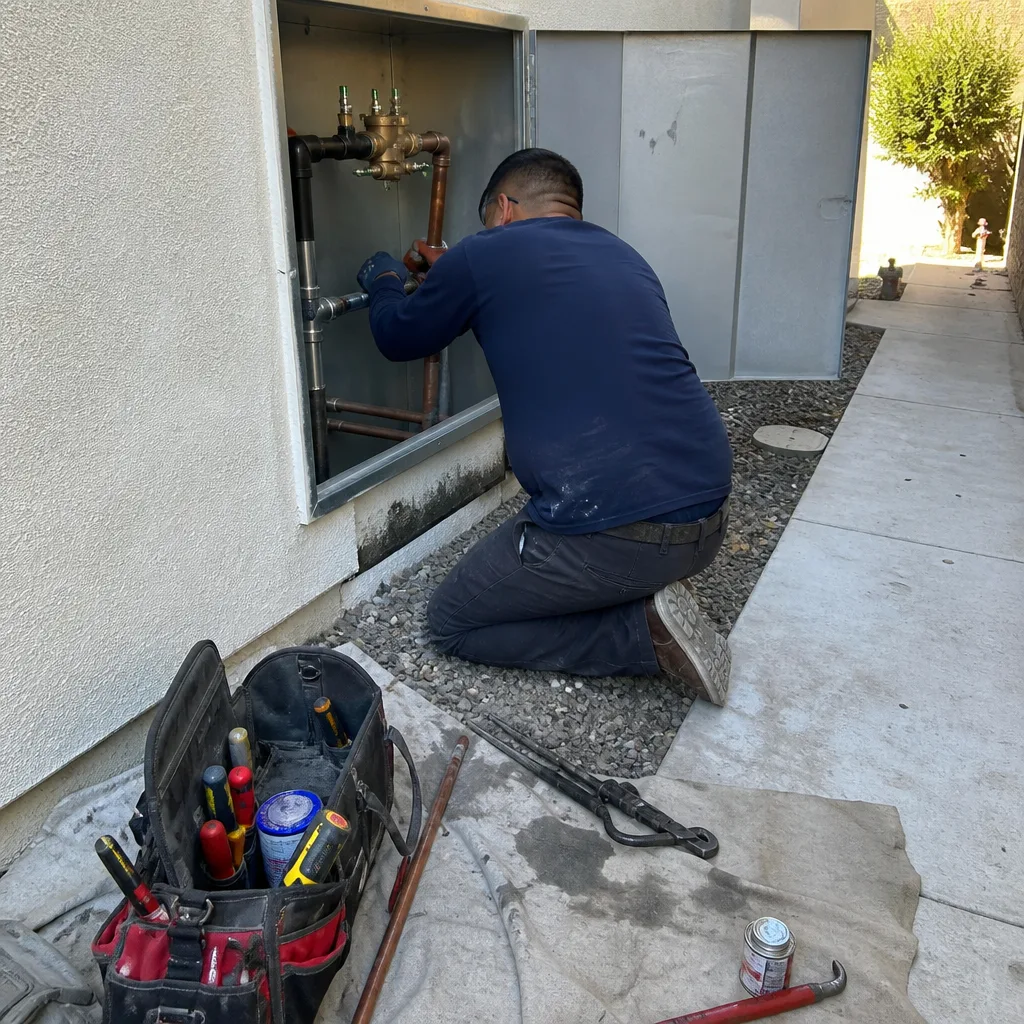 After
AfterSeasonal Construction Care for Santa Clarita: Year-Round Homeowner’s Guide
The Diablo wind events that hit the Santa Clarita Valley in fall and winter regularly exceed 50 mph in canyon-adjacent neighborhoods. A roof fastener that’s loosened from a summer of thermal expansion is the fastener that fails in November - but it gets inspected in October, not after the damage claim. Most seasonal maintenance guides divide the year into four neat quarters. That model fails in Santa Clarita, where the climate damage to homes follows a two-phase pattern: a dry heat phase that degrades materials, and a wind-and-wet phase that exploits the degradation. This guide organizes maintenance around those actual phases, with specific inspection points, visual failure indicators, and the documentation habits that protect your investment; for a deeper dive, see our Complete Guide to Construction in Santa Clarita.
Quick Answer
Seasonal construction care in Santa Clarita means preparing for two distinct damage phases: a dry heat phase from May through October that stresses roofing membranes, exterior caulk, and attic ventilation, and a wind-and-wet phase from November through April that exploits any weaknesses the heat created. The critical maintenance window is September through October, when homeowners should audit roof fasteners, inspect flashing, clear gutters of eucalyptus and oak debris, seal stucco cracks with elastomeric caulk rated for 50% elongation, and document conditions with dated photos before the first Diablo winds arrive.
Table of Contents
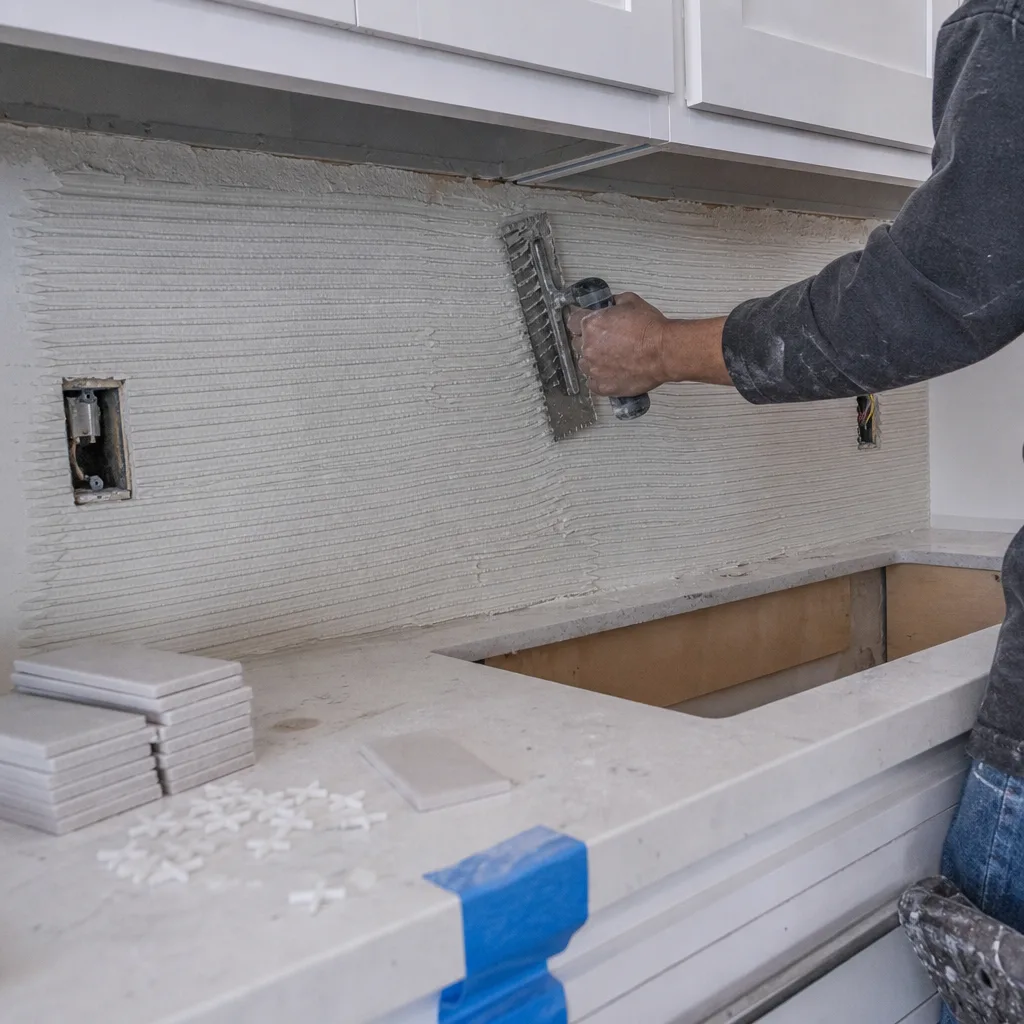
- The Heat Phase: What May Through October Degrades
- The Wind-and-Wet Phase: November Through April Threats
- The Critical September-October Preparation Window
- Stucco-Specific Maintenance for Santa Clarita’s Expansion Cycle
- HVAC and Combustion Appliance Timing
- The Documentation Habit: Building Your Dated Photo Library
- Room-by-Room Seasonal Checklist
- Common Mistakes to Avoid
- When to Call a Professional
- Frequently Asked Questions
BeforeAfterThe Heat Phase: What May Through October Degrades
Santa Clarita’s dry heat phase is not merely uncomfortable. It is a sustained thermal stress test on every exterior building component. Daytime temperatures routinely reach 95°F to 105°F from June through September, with rooftop surface temperatures 40 to 60 degrees higher than ambient air. This creates daily expansion-contraction cycles that loosen mechanical fasteners, degrade sealants, and accelerate the oxidation of roofing membranes.
We’ve delivered roofing in Santa Clarita since 2007, and the pattern is consistent: the damage that manifests in November began in July.
Roofing Membrane Seams and Flat-Roof Sections
Homes with EPDM (ethylene propylene diene terpolymer) or TPO (thermoplastic polyolefin) flat-roof sections - common on modern additions and ADUs in Valencia and Saugus - require specific attention during the heat phase. The visual failure indicators are:
- Membrane seams that have separated or lifted at the edge, visible as a raised ridge or bubble along the seam line
- Surface crazing or alligatoring - a network of fine cracks that indicates UV degradation of the top coating
- Fastener back-out visible as small dimples or raised points where the membrane is no longer fully adhered to the substrate
These conditions do not leak in July. They leak in January, when wind-driven rain finds the opening that thermal cycling created. The inspection should happen in September, not after the first storm.
Exterior Elastomeric Caulk Joints
Window perimeters, door frames, and wall penetrations in Santa Clarita rely on elastomeric sealants that must maintain flexibility across a temperature range that regularly spans 50 degrees in a single day. The failure indicator is not a visible gap - it is a change in the caulk’s surface texture from smooth to powdery or cracked, indicating that the polymer has begun to degrade. In our experience, caulk joints on south- and west-facing walls in Canyon Country and Sand Canyon show degradation 18 to 24 months faster than shaded exposures.
Attic Ventilation Clearance
Attic temperatures in Santa Clarita can exceed 150°F during peak summer days. Proper ventilation - ridge vents, soffit vents, and gable vents working together - is what prevents this heat from cooking the underside of roof decking and accelerating shingle deterioration. The inspection point is simple: soffit vents must be unobstructed by insulation, and there should be visible light from the soffit when standing in the attic during daylight hours. Blocked soffit vents are the most common ventilation failure we find, and they are invisible from the ground.
The Wind-and-Wet Phase: November Through April Threats
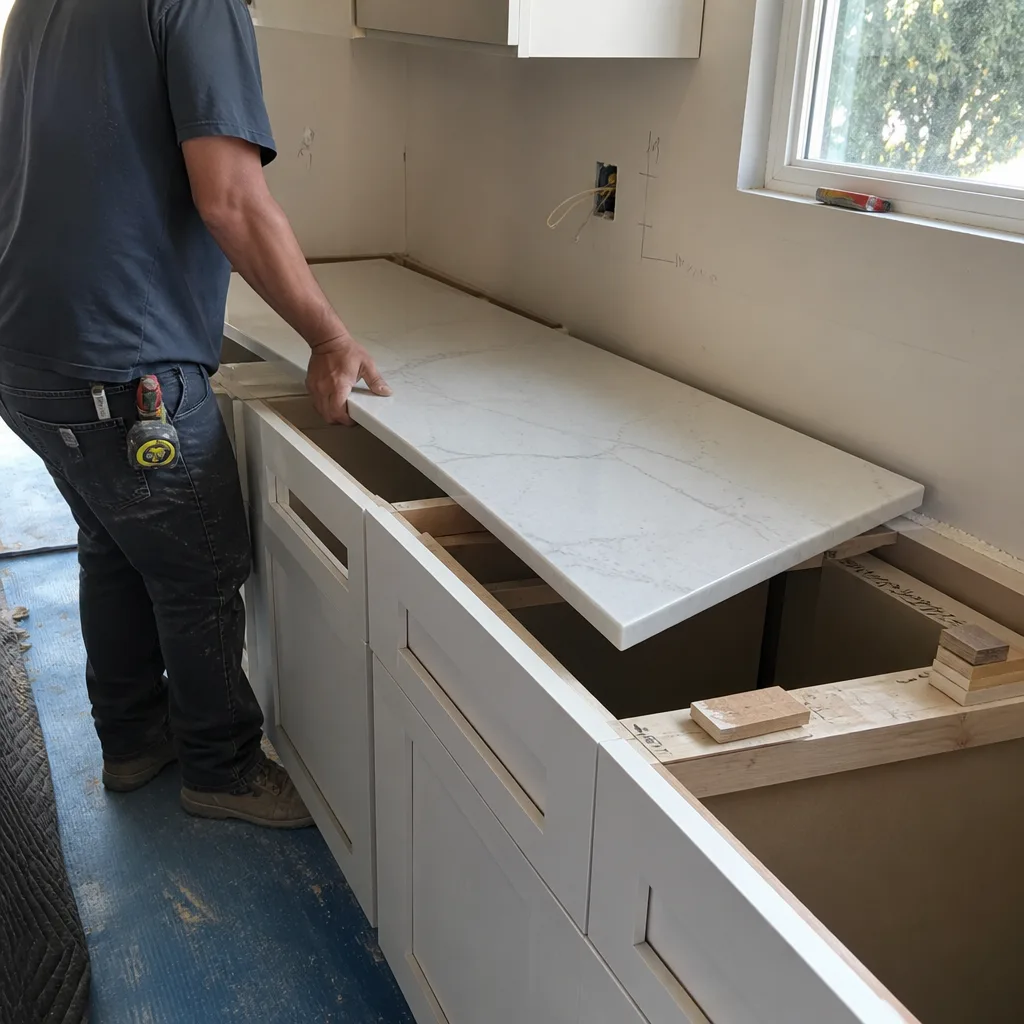
The Santa Clarita Valley’s wind-and-wet phase is defined less by total rainfall - the area averages 15 to 18 inches annually - than by its delivery mechanism. The Diablo winds, also called Santa Ana winds locally, are dry, high-velocity downslope winds that occur primarily between October and March. In canyon-adjacent neighborhoods like those along Soledad Canyon Road or in the hills above Stevenson Ranch, sustained winds of 40 to 60 mph are common, with gusts exceeding 80 mph during peak events.
These winds do not merely blow debris. They create pressure differentials across roof planes that test every fastener, every seam, and every flashing detail that the heat phase may have compromised.
Roof Fastener Failure Patterns
Asphalt shingle roofs in Santa Clarita are typically fastened with nails or staples in a pattern specified by the manufacturer and the California Building Code. The failure mode we see after Diablo wind events is not random shingle loss - it is systematic failure beginning at the rake edges (the sloped edges of a gable roof) and progressing inward. The mechanism is straightforward: thermal expansion from summer heat loosens the fastener grip in the roof decking, and the wind uplift completes the extraction.
The inspection protocol is to examine the rake edges and the first course of shingles at the eaves for:
- Nails that have risen above the shingle surface - visible as a small bump or exposed nail head
- Staples that have torn through the shingle tab, leaving a characteristic elongated hole
- Shingle tabs that lift easily when hand-pressed - indicating that the sealant strip has failed or the fastener is loose
Any of these conditions warrants repair before the next wind event. Under Clause 1 of The Haven Standard, we provide a written price for this work before any crew is dispatched.
Flashing at Chimneys and Wall Penetrations
Chimney flashing, vent pipe flashing, and wall-to-roof transition flashing are the most common leak sources in Santa Clarita’s wind-and-wet phase. The inspection points are:
- Step flashing at chimney sides - look for gaps where the metal has pulled away from the masonry, or where the counter-flashing sealant has cracked
- Pipe boot flashing - the rubber collar around plumbing vents degrades in UV exposure and becomes brittle; it should be pliable when pressed
- Wall-to-roof transitions on additions and ADUs - these are complex geometries where water can be driven uphill by wind; the sealant must be continuous and flexible
Gutter Clearance: Eucalyptus and Oak Debris
Santa Clarita’s mature neighborhoods, particularly in Newhall and Valencia’s older tracts, feature extensive eucalyptus and coast live oak canopy. These trees shed leaves, bark, and acorns year-round, with peak drop in late summer and early fall. Gutters clogged with this debris overflow during winter rains, saturating fascia boards and creating conditions for dry rot. The specific hazard in Santa Clarita is that eucalyptus leaves contain oils that accelerate corrosion of galvanized steel gutters and downspouts.
The maintenance action is straightforward: clear gutters in September, before the first rains, and inspect for standing water or corrosion that indicates improper slope or downspout blockage.
The Critical September-October Preparation Window
September and October in Santa Clarita represent a narrow maintenance window with specific characteristics: temperatures have moderated enough for safe roof work, the first Diablo wind events have typically not yet arrived, and HVAC contractors have not yet reached their November backlog. Missing this window means competing for contractor availability during active weather events, or worse, discovering damage when it is already causing interior problems.
The Six-Point Pre-Wind Audit
We recommend this sequence for the September-October audit, which can be performed by a competent homeowner with binoculars and a ladder, or by a professional:
- Roof perimeter: Walk the ground line and examine rake edges and eaves with binoculars for lifted shingles, exposed fasteners, or damaged fascia. Note any locations for closer inspection.
- Flashing details: From the ground or a ladder at gutter line, inspect chimney flashing, vent pipes, and any wall-to-roof transitions for gaps, cracks, or missing sealant.
- Gutter condition: Clear all debris and run water through the system to confirm proper flow to downspouts. Check for standing water that indicates improper slope.
- Stucco survey: Walk the full perimeter and identify any cracks wider than 1/16 inch, particularly at window and door corners, control joints, and the foundation line. Mark locations for repair.
- Window and door operation: Open and close each operable unit. Binding, sticking, or visible gaps in the weatherstrip indicate frame movement or sealant failure that wind-driven rain will exploit.
- Exterior caulk joints: Press along each joint with a fingertip. Hard, brittle, or crumbling caulk requires replacement before the wet phase begins.
For homeowners considering larger projects, this audit also informs timing. Kitchen Remodeling in Santa Clarita and Bathroom Remodeling in Santa Clarita that involve exterior wall penetrations - new windows, relocated plumbing vents, or expanded footprints - should be planned so that exterior envelope work is complete before November. We schedule these projects with that constraint as a fixed milestone in the written scope.
Stucco-Specific Maintenance for Santa Clarita’s Expansion Cycle
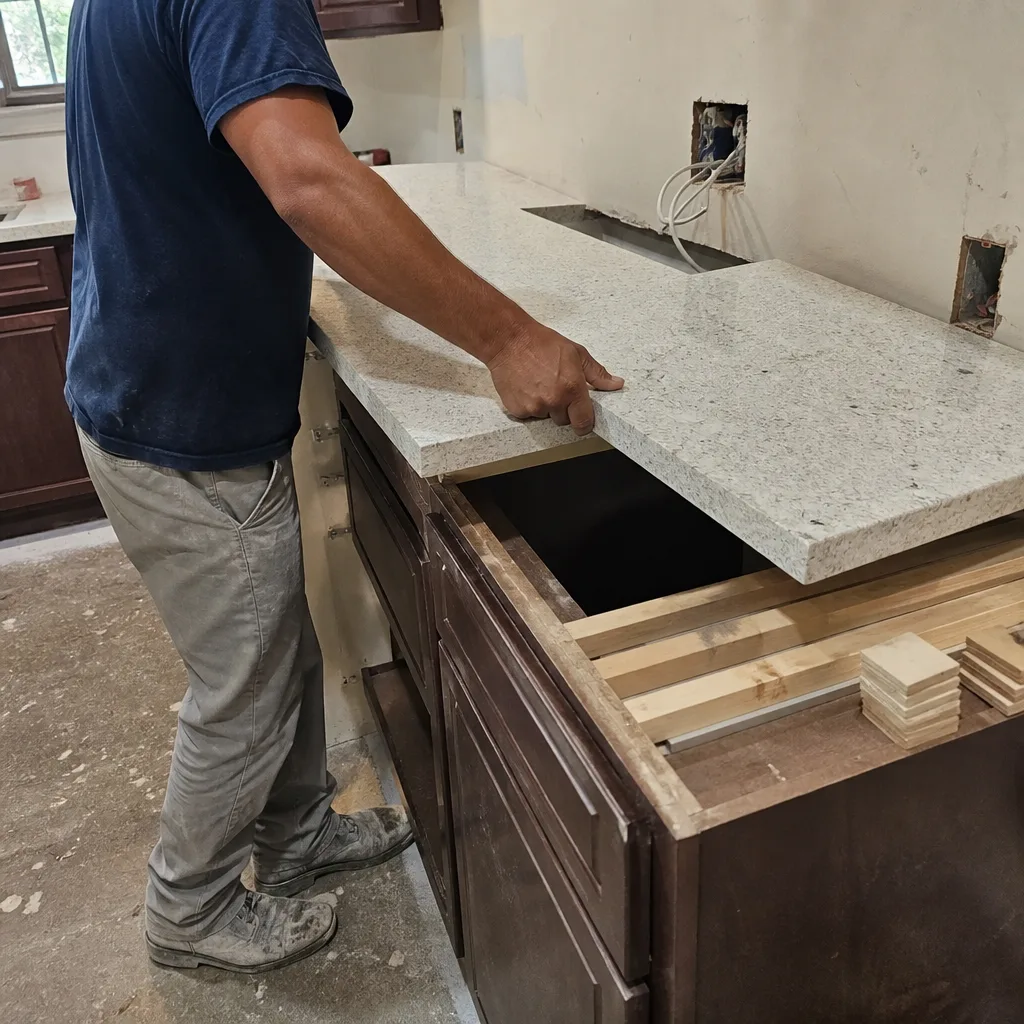
Stucco is the dominant exterior cladding in Santa Clarita, and it behaves in ways that surprise homeowners unfamiliar with its material properties. Portland cement plaster - the technical term for traditional stucco - has a coefficient of thermal expansion significantly different from the wood framing it covers. In Santa Clarita’s climate, this differential creates seasonal movement that produces characteristic crack patterns.
Cosmetic vs. Structural Cracks
The distinction matters for maintenance decisions and for pre-sale disclosures. Cosmetic surface cracks, often called hairline cracks, are typically less than 1/32 inch wide, run in irregular patterns, and do not extend through the full thickness of the plaster. They result from surface shrinkage and thermal cycling, and they are addressed with elastomeric coating.
Structural cracks are wider than 1/16 inch, run in relatively straight lines - often vertically at corners or horizontally at floor lines - and may show displacement where one side has moved relative to the other. These indicate frame movement, foundation settlement, or inadequate control joint placement, and they require professional evaluation.
In our work across Santa Clarita since 2007, we’ve found that cracks in the 1/32 to 1/16 inch range are the critical maintenance zone. Left unsealed, they widen through thermal cycling, admit moisture during wind-driven rain events, and can delaminate the stucco from the lath (the wire mesh that supports the plaster).
Elastomeric Caulk Specifications
Sealing stucco cracks requires a sealant with specific performance characteristics, not generic caulk from a hardware store. The specification we follow specifies:
- Minimum 50% elongation - the ability to stretch to 150% of original length without failure
- ASTM C920 Class 25 minimum - the standard for exterior joint sealants
- Paintability - the sealant must accept elastomeric coating for aesthetic match
- Backer rod compatibility - for cracks wider than 1/4 inch, a foam backer rod must be inserted to control sealant depth
Application is straightforward but specific: the crack is routed to a uniform width, cleaned of loose material, primed if the manufacturer requires it, and filled with sealant tooled to a concave profile. The repair is then coated with elastomeric paint to match the surrounding wall. Under our 365-Day Done Right Promise, we return to verify these repairs after the first full thermal cycle.
HVAC and Combustion Appliance Timing
The scheduling of HVAC maintenance in Santa Clarita follows a pattern that most homeowners miss until they experience it once. Heating service demand spikes in November, when the first cold snap arrives and homeowners discover that their furnace or heat pump will not start. The result is a 6- to 8-week backlog for qualified technicians, with emergency rates for those willing to pay premium pricing.
The correct timing is late September, before the first heating demand and before the backlog forms. This applies to:
- Gas furnace inspection and burner adjustment
- Heat pump defrost cycle verification
- Combustion air intake and exhaust vent inspection for water heaters and furnaces
- Filter replacement and duct leakage evaluation
For homes with gas appliances, the September inspection should include a carbon monoxide test with a calibrated analyzer, not a consumer-grade detector test. The venting systems that exhaust combustion gases are particularly vulnerable in Santa Clarita’s wind-and-wet phase, where pressure differentials can reverse draft in marginal installations.
This timing also applies to any construction project that affects the building envelope. Rowan Construction Group Santa Clarita home projects that include window replacement, door replacement, or room additions are sequenced so that envelope work is complete before heating season, and we verify combustion appliance venting after any change to building tightness.
The Documentation Habit: Building Your Dated Photo Library
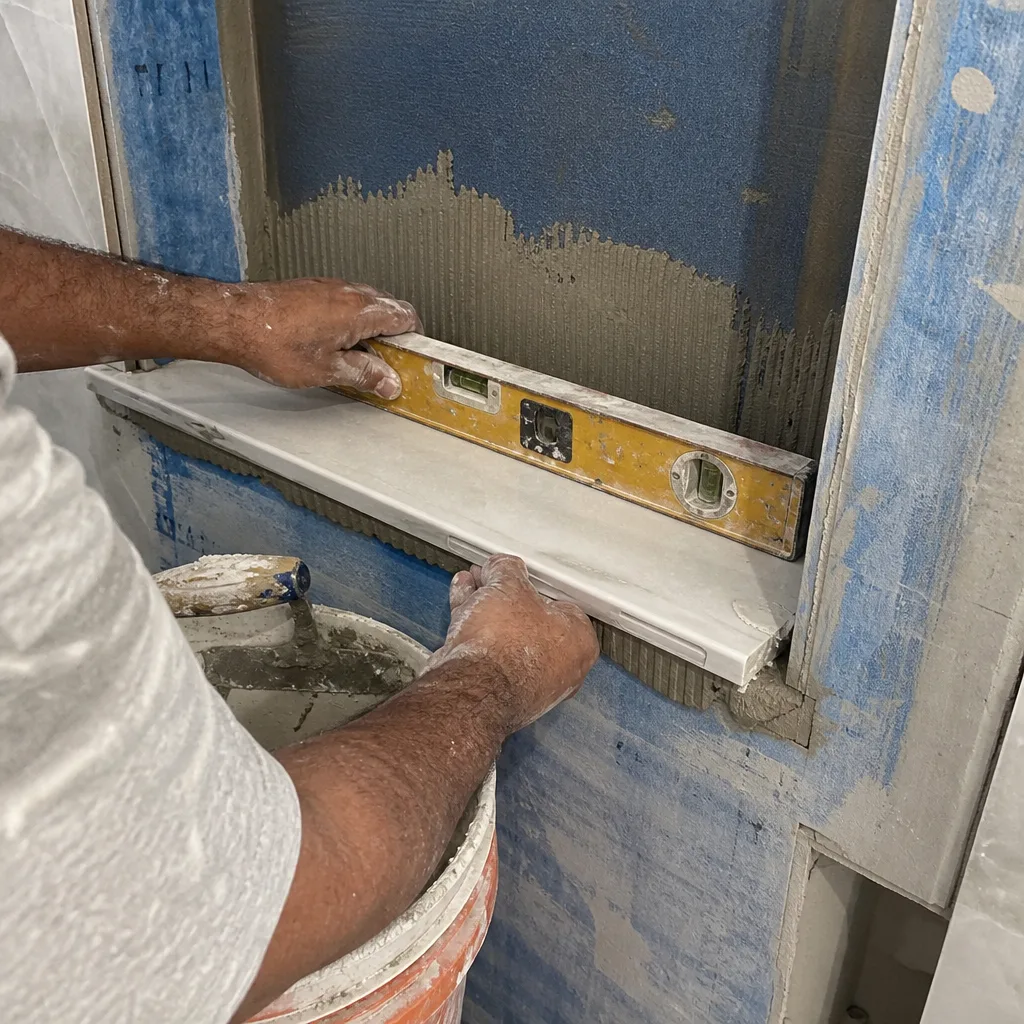
The single most useful tool in an insurance claim, a pre-sale disclosure, or a warranty dispute is a dated photo record of conditions. We include this as standard on every visit - not as an upgrade, but as a core deliverable - because we’ve seen too many Santa Clarita homeowners unable to prove that a condition existed before a specific event.
The October Photo Set
We recommend that every homeowner in Santa Clarita take this specific photo set each October, before the wind-and-wet phase begins:
- Roof overview: From the street or driveway, a photo of each roof plane showing shingle condition, flashing locations, and any visible damage. Include a dated newspaper or phone screen in the frame for timestamp verification.
- Stucco field: A systematic walk-around with photos of each wall elevation, capturing the full surface and any cracks or repairs. Close-ups of any crack wider than 1/16 inch, with a ruler or coin for scale.
- Window and door flashing: Close-ups of each window and door head (top), jamb (side), and sill (bottom) showing caulk condition and any gaps.
- Crawl space or subfloor access: If accessible, photos of the foundation perimeter, any visible moisture, and the condition of floor insulation and vapor barrier.
- Gutter and downspout terminations: Photos showing clear flow paths and proper discharge away from the foundation.
Store these with cloud backup and local copy. The October 2024 photo of a crack that was 1/16 inch, compared to the October 2025 photo showing it at 1/8 inch with displacement, is evidence that frames the timeline for any professional evaluation. In our 4,000-plus projects, the customers with documented photo histories resolve disputes faster and with better outcomes than those without.
Room-by-Room Seasonal Checklist
The phase-based approach translates to specific room-level actions. This checklist organizes maintenance by space, with Santa Clarita-specific timing.
Kitchen
- September: Test and clean range hood exhaust to exterior; grease buildup is a fire hazard and restricts airflow
- September: Inspect sink cabinet for supply line leaks or drain seal deterioration
- May: Verify refrigerator condenser coil clearance for heat dissipation
- Ongoing: Check dishwasher drain hose for kinking or cracking at the connection points
For homeowners planning Kitchen Remodeling in Santa Clarita, these inspection points inform whether the project scope should include plumbing replacement or appliance relocation. We quote this work with a flat written price and written scope before any demolition begins.
Bathroom
- September: Inspect caulk at tub/shower enclosure, paying particular attention to the bottom edge where the enclosure meets the tub or shower pan - this is the most common leak point we find
- September: Test exhaust fan airflow with a tissue; weak airflow indicates duct blockage or fan failure
- May: Check toilet base for movement or wax ring failure indicators (odor, staining)
- Ongoing: Verify that shower door sweeps and seals maintain contact across the full width
Roof and Attic
- September: Full audit per the six-point protocol above
- May: Verify attic ventilation paths are clear; check for signs of pest intrusion
- Ongoing: After any wind event, ground-level inspection for visible shingle loss or debris
Exterior and Foundation
- September: Stucco crack survey and sealing; grade verification to maintain 6-inch minimum clearance to siding
- September: Irrigation system audit - spray patterns should not contact the building envelope
- May: Verify that summer sun exposure has not degraded exterior hose bibs or their vacuum breakers
- Ongoing: Monitor for soil shrinkage gaps at the foundation perimeter, common in Santa Clarita’s clay soils after dry summers
Common Mistakes to Avoid
- Inspecting only after visible damage: In Santa Clarita, the roof leak that stains your ceiling in February began as a fastener loosening the previous July. The inspection window is September-October, not after interior symptoms appear.
- Using non-elastomeric caulk on stucco cracks: Standard silicone or latex caulk cannot accommodate the thermal movement of stucco in Santa Clarita’s climate. It fails within one season, often making the crack worse by trapping moisture.
- Clearing gutters without checking downspout flow: Gutters can appear clear while downspouts are blocked at the underground elbow, causing overflow that saturates the foundation. Always run water through the full system.
- Scheduling HVAC service in November: The backlog is real and the emergency rates are significant. Late September scheduling avoids both, and catches problems before the first heating demand.
- Documenting only damage, not baseline conditions: Photos of a pristine roof in October are as valuable as photos of damage. Insurance adjusters and buyers need to know what existed before the event or the sale.
- Ignoring the rake edges: Homeowners often inspect roof centers from the ground while missing the rake edges where wind uplift begins. Use binoculars and focus on the perimeter.
- Assuming new construction needs no maintenance: Santa Clarita’s thermal cycling is hardest on materials in their first two years, when they are completing their initial cure and settlement. New homes need the same September audit as older ones.
When to Call a Professional
Certain conditions warrant professional evaluation regardless of the homeowner’s competence or comfort with ladders. These include: any crack in stucco that shows displacement (one side higher than the other), any roof condition that requires walking the roof surface on slopes steeper than 4:12, any combustion appliance that tests positive for carbon monoxide or shows flame rollout, and any structural modification that affects load paths or egress requirements.
Rowan Construction Group Santa Clarita offers free estimates in Santa Clarita - call (747) 294-3985 - and publishes more guides & resources for local homeowners. Under Clause 1 of The Haven Standard, we deliver a written price with a written scope before any work starts, and no change proceeds without a signed change order. Our crews are background-checked and uniformed; a live person answers calls 24/7; and every visit includes a documented photo record as standard. We also offer a Free Second Opinion on any written estimate from another contractor, reviewed line by line at no charge.
Frequently Asked Questions
A professional roof inspection and minor maintenance in Santa Clarita typically ranges from $200 to $450 for a standard single-family home, with repairs for identified issues quoted separately in writing before work begins. Call (747) 294-3985 for an exact quote - estimates are free.
Hairline cracks under 1/32 inch can be addressed by a competent homeowner with elastomeric coating rated for exterior stucco. Cracks between 1/32 and 1/16 inch require proper sealant selection and application technique; cracks wider than 1/16 inch or showing displacement should be evaluated by a professional to distinguish thermal movement from structural issues. The wrong sealant fails within one season and can trap moisture.
No. Under Clause 1 of The Haven Standard, Rowan Construction Group delivers a flat written price with a written scope before any work starts. No change proceeds without a signed change order. This discipline has kept our projects within a few percent of the agreed cost across 4,000-plus jobs since 2007.
A thorough six-point audit of a typical Santa Clarita single-family home takes 2 to 3 hours for a homeowner working methodically, or 1 to 2 hours for a professional crew with proper equipment. The critical factor is not speed but completeness - missing the rake edge inspection or the attic ventilation check eliminates much of the audit’s value.
Minor maintenance - sealing cracks, cleaning gutters, replacing individual shingles - typically does not require permits in Santa Clarita. Work that affects the structural envelope, modifies roof geometry, or exceeds 10% of the replacement cost of the component may require a permit under California Building Code; see our guide to Construction Permits, Codes & Inspections in CA for details. We pull all required permits as standard on any project we undertake, with permit costs included in the written quote.
The Santa Clarita Valley’s canyon geography concentrates Diablo winds in ways that flat coastal areas do not experience. Wind speeds in canyon-adjacent neighborhoods regularly exceed those in the San Fernando Valley by 20 to 30 percent during the same regional event. This concentrated exposure is why we emphasize rake edge inspection and fastener audit specifically for Santa Clarita homes, rather than generic wind-preparedness advice.
The Bottom Line
Santa Clarita’s climate damage follows two phases, not four seasons. The dry heat from May through October degrades roofing membranes, caulk joints, and attic ventilation. The wind-and-wet phase from November through April exploits those degradations with Diablo winds and concentrated rainfall. The maintenance that matters happens in the September-October window: a six-point audit of roof, flashing, gutters, stucco, windows, and documentation. Use elastomeric caulk rated for 50% elongation on stucco cracks. Schedule HVAC service before the November backlog. And build a dated photo record that protects your investment in any future claim or sale. The cost of prevention is modest; the cost of repair after failure is not.
Written by Grant Rowan, Owner at Rowan Construction Group Santa Clarita, serving Santa Clarita since 2007.