
Last updated September 24, 2026
Free written scope consultation - allowances, timeline, and change-order rules on paper before a single trade is scheduled
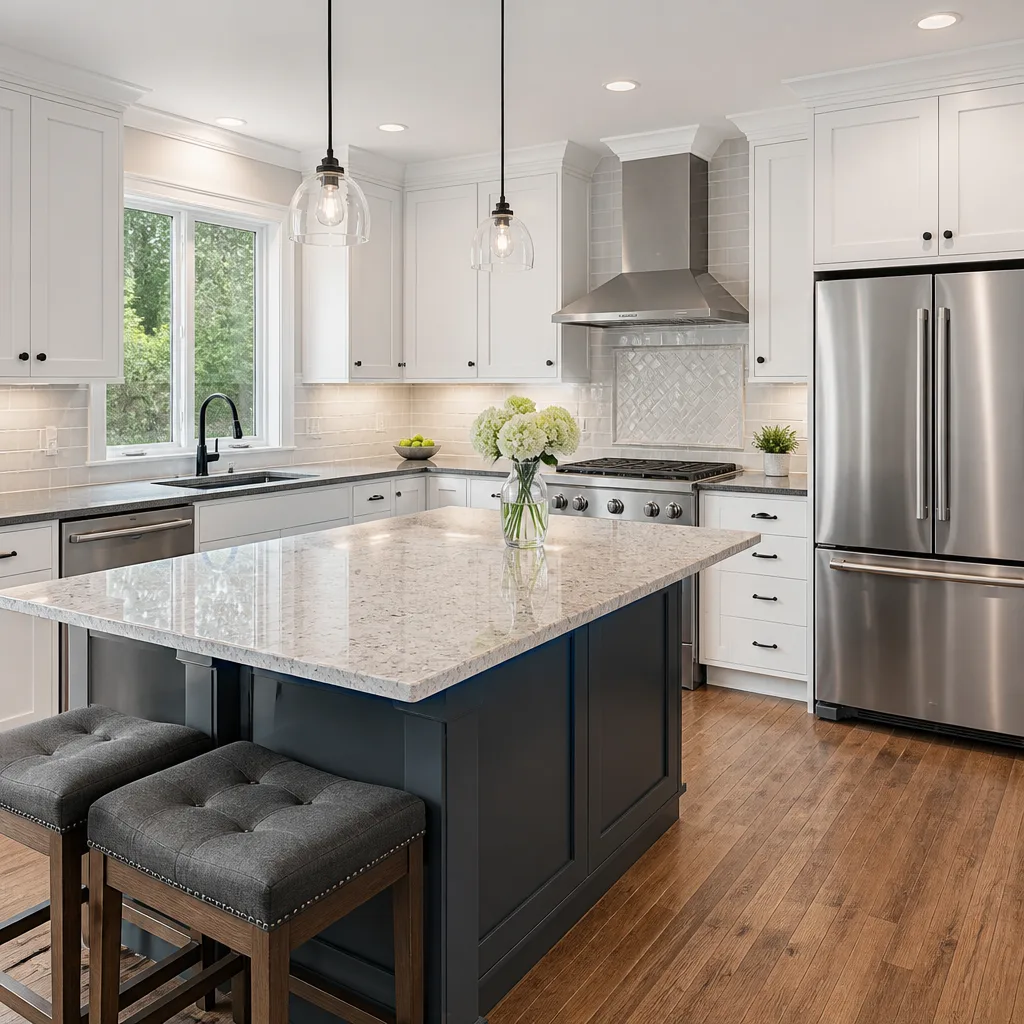
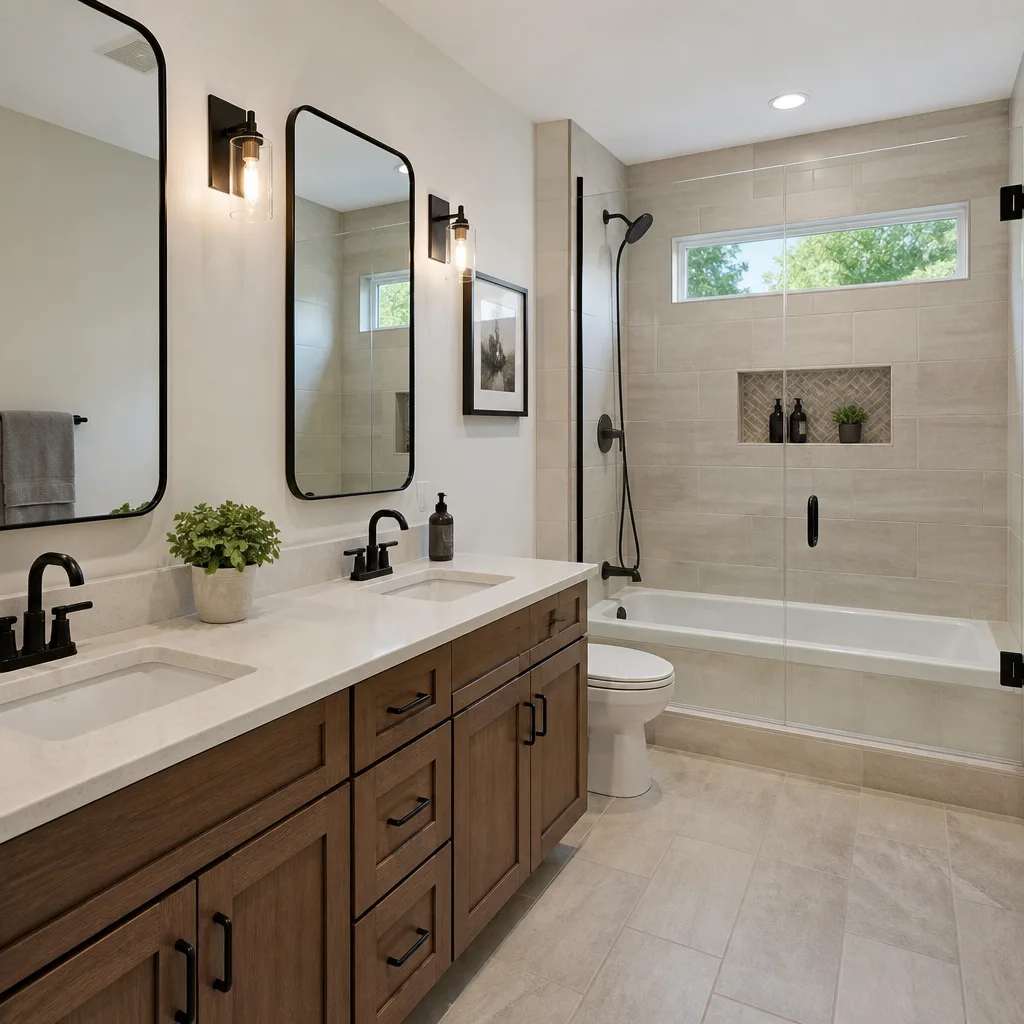
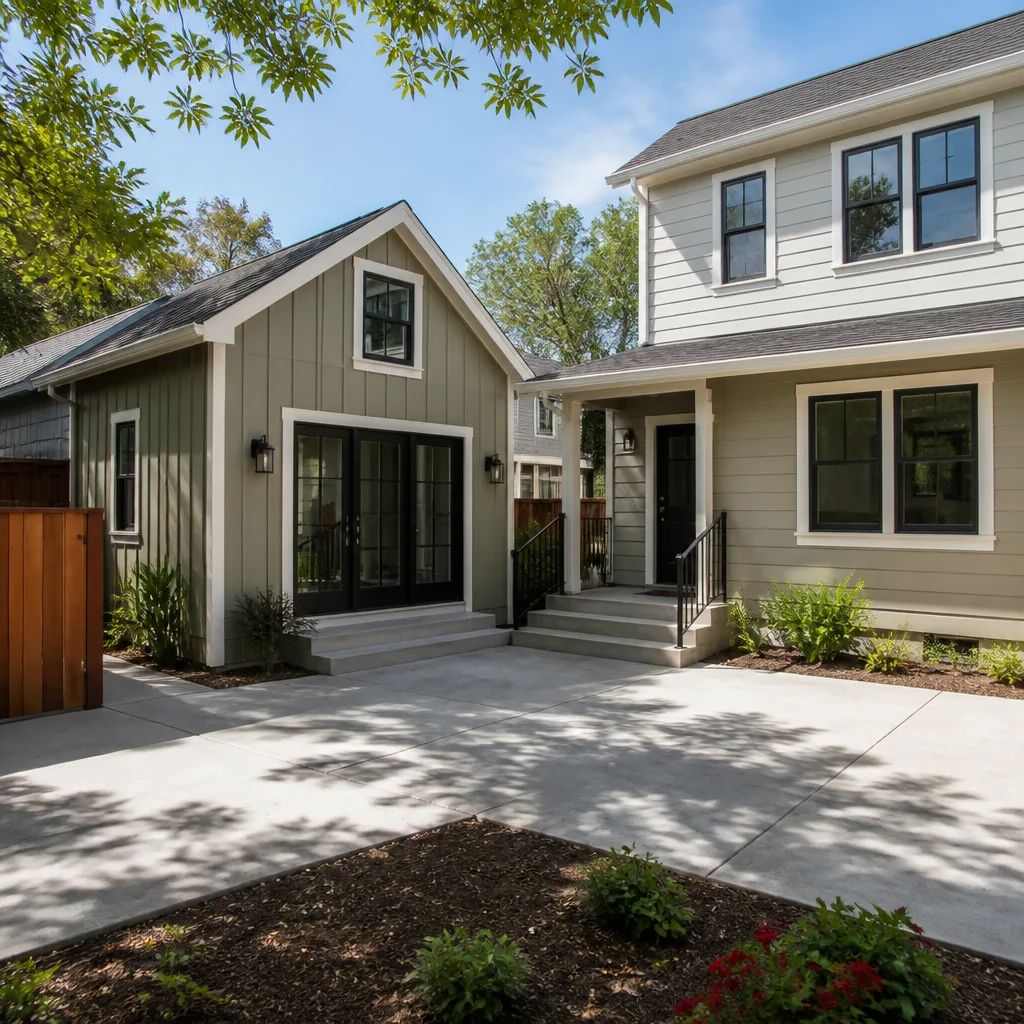
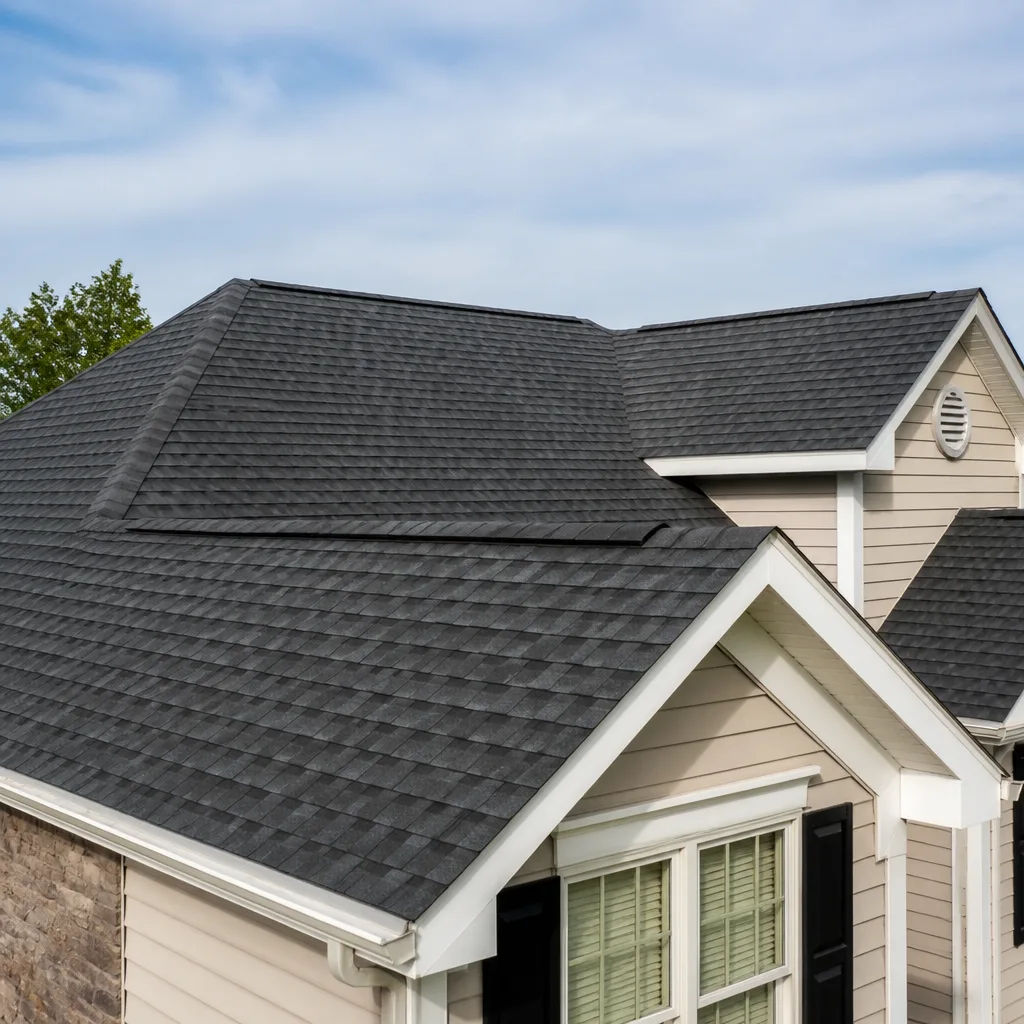
 Before
 After
After Before
 After
After Before
 After
AfterDIY vs Professional Construction: The Santa Clarita Homeowner’s Decision Guide
California allows homeowners to act as their own general contractor and pull permits for work on their primary residence - but if you sell within two years, you must disclose that the work was owner-built, and some lenders will not finance a buyer purchasing a home with owner-built permits on record. That’s a resale constraint most DIY guides don’t mention. In Santa Clarita, where median home values have climbed past $700,000 and buyers routinely finance with jumbo loans, a flagged disclosure can derail a sale entirely. This guide maps the legal boundary, not just the skill boundary, so you can decide with the full cost picture in front of you.
Quick Answer
DIY construction in Santa Clarita makes sense for painting, hardware swaps, landscaping, and non-structural trim work - tasks with no permit requirement and limited downside if done poorly. For structural, electrical, plumbing, gas, or roofing work, the permit eligibility rules, insurance consequences, and resale disclosure obligations under California Business and Professions Code §7044 make professional hiring the lower-risk choice for most homeowners. The break-even point is not skill; it’s whether a mistake costs more to fix than the labor you saved.
Table of Contents
- The California Owner-Builder Permit: What It Actually Allows
- Trade-by-Trade Permit Requirements in Santa Clarita
- The Insurance Gap: When Your HO-3 Policy Won’t Cover DIY Damage
- Where DIY Genuinely Saves Money in SCV
- How to Structure a Legal Hybrid Approach
- Resale Disclosure: The Hidden Cost of Owner-Built Work
- Common Mistakes to Avoid
- When to Call a Professional
- Frequently Asked Questions
BeforeAfterThe California Owner-Builder Permit: What It Actually Allows
Under California Business and Professions Code §7044, a homeowner can pull an owner-builder permit for work on their primary residence without holding a contractor’s license. The permit costs the same, the inspections are identical, and the code compliance standards do not bend. What changes is who carries the liability.
Here’s what the owner-builder path actually requires:
- You must personally supervise all work. Hiring unlicensed day laborers and directing them does not satisfy this; you are the contractor of record.
- You can perform the work yourself or hire licensed subcontractors. If you hire licensed subs, they pull their own trade permits (electrical, plumbing, HVAC). You remain the responsible party for coordination and final inspection.
- You cannot sell the property within two years without disclosure. The permit record is public. The disclosure form (Transfer Disclosure Statement, Section C) specifically asks about owner-builder permits. A “yes” triggers lender scrutiny.
- You assume workers’ compensation liability for anyone you hire. No license means no workers’ comp policy through a contractor. If a worker is injured on your property, your homeowner’s policy may deny the claim if the injury arose from construction activity.
In Santa Clarita, the Building and Safety Division of the city processes owner-builder permits at the same counter as contractor permits. The staff will answer procedural questions, but they will not advise on code compliance - that’s on you. We’ve reviewed owner-builder files where the same inspection failed three times because the homeowner misunderstood the shear-wall nailing schedule or the weep screed placement on stucco. Each re-inspection carries a fee, and the delay compounds if you’re living in the space.
The practical reality: owner-builder permits work best for discrete, single-trade projects where you have verifiable expertise. A licensed electrician doing their own panel upgrade, for example, or a plumber replacing their own water heater. For multi-trade projects - a kitchen remodel in Santa Clarita involving electrical, plumbing, gas, and structural modifications - the coordination burden often exceeds the labor savings.
Trade-by-Trade Permit Requirements in Santa Clarita
Santa Clarita follows the California Building Standards Code with local amendments. The city requires permits for structural work, electrical panel changes, gas line modifications, most plumbing alterations, roofing tear-offs, window replacements that change the opening size, and any work affecting egress or fire safety. Some projects are exempt, but the exempt list is narrower than most homeowners assume.
Here’s how the permit landscape breaks down by trade, with typical inspection outcomes for owner-builder versus licensed contractor filings:
| Trade / Project Type | Permit Required? | Owner-Builder Eligible? | Typical Inspection Notes |
|---|---|---|---|
| Kitchen remodel (cosmetic: cabinets, counters, paint) | No | N/A | No inspection; DIY viable |
| Kitchen remodel (structural wall removal, electrical, gas) | Yes | Yes | High failure rate on shear-wall and gas-pipe pressure tests; contractors more often pass first time |
| Bathroom remodel (fixture swap, same location) | No | N/A | No inspection; DIY viable |
| Bathroom remodel (relocation of drain/waste/vent) | Yes | Yes | DWV (drain-waste-vent) slope and venting are common failure points |
| Electrical panel upgrade or relocation | Yes | Yes | Requires PG&E coordination; owner-builders often miss service-size calculations |
| Roofing (overlay, same materials) | No | N/A | No inspection; limited to one overlay layer per code |
| Roofing (tear-off or material change) | Yes | Yes | Decking condition, nail pattern, and valley flashing are frequent callbacks |
| Window/door replacement (same size) | No | N/A | No inspection; DIY viable with proper flashing |
| Window/door replacement (enlargement or new opening) | Yes | Yes | Header sizing and cripple-stud spacing are structural; high failure rate |
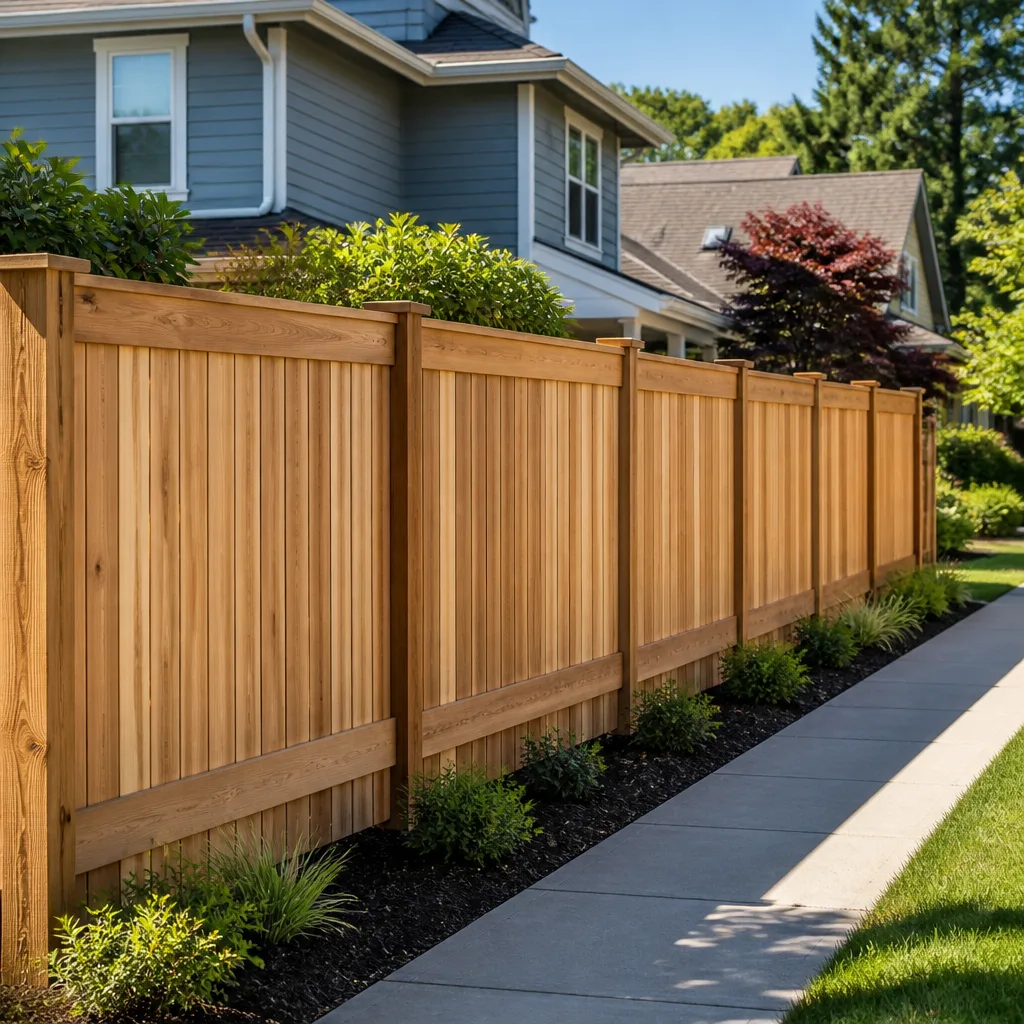
| Fence (under 6 feet, not retaining) | No | N/A | No inspection; DIY common |
| Fence (over 6 feet or retaining wall) | Yes | Yes | Footing depth and post embedment are checked; Santa Clarita’s sandy soils in Valencia and Saugus require deeper embedment than clay areas |
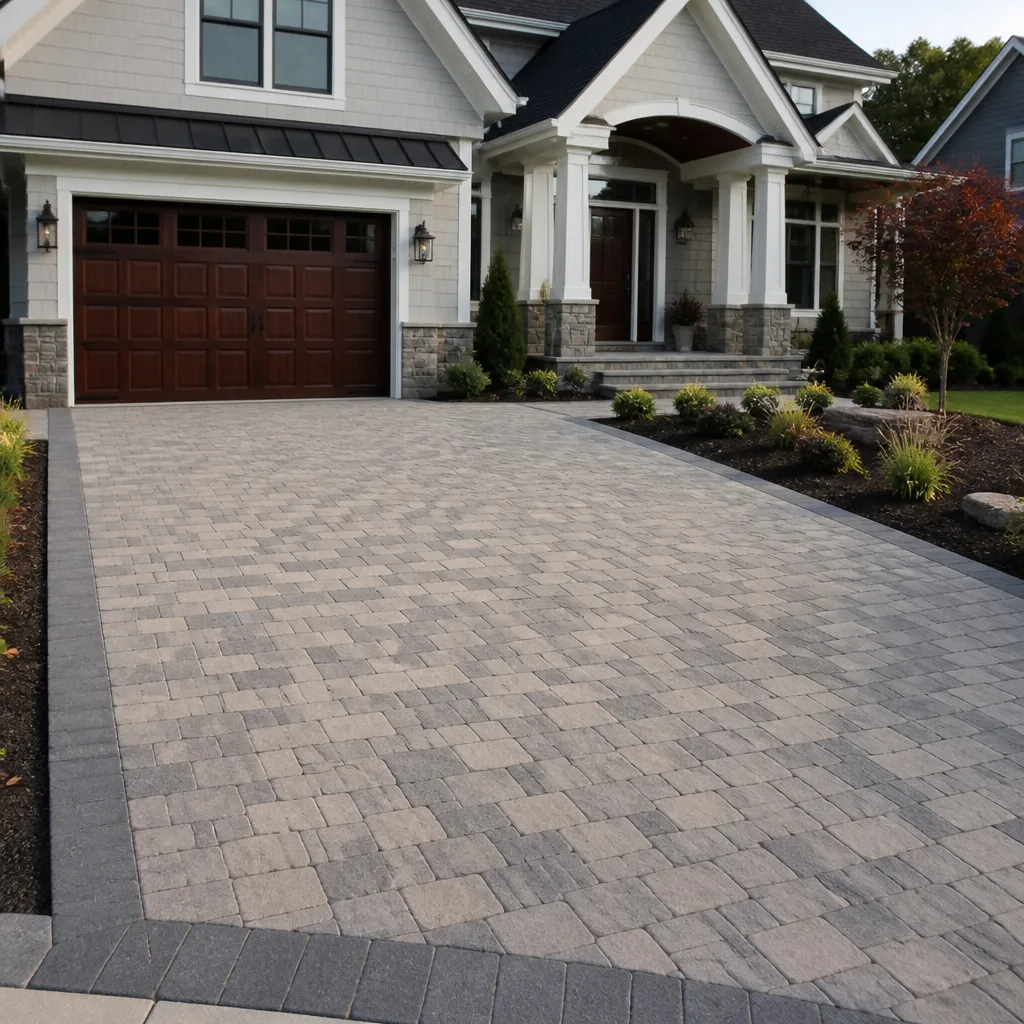
| Driveway/pavers (non-structural, no drainage change) | No | N/A | No inspection; DIY viable with proper base prep |
| Driveway/pavers (structural, drainage, or retaining) | Yes | Yes | Subgrade compaction and permeability requirements are strict; Belgard and Techo-Bloc specs must be followed for warranty |
| Home addition or ADU | Yes | Yes | Multi-inspection sequence (foundation, framing, insulation, final); owner-builder timelines often run 40-60% longer |
The pattern is consistent: where the work is inspectable and the code is prescriptive, licensed contractors with repetitive experience pass faster and with fewer callbacks. That’s not a statement about homeowner intelligence; it’s a statement about pattern recognition. We’ve framed the same wall opening thirty times. The first time, it took extra attention too.
Santa Clarita’s local amendment worth noting: the city requires fire-resistant roofing materials in Very High Fire Hazard Severity Zones, which includes portions of Canyon Country and Sand Canyon. An owner-builder who installs a non-compliant shingle will fail final inspection and bear the re-roofing cost. GAF and Owens Corning both publish Santa Clarita-compliant assembly guides; a roofing contractor in Santa Clarita selects from these by default.
The Insurance Gap: When Your HO-3 Policy Won’t Cover DIY Damage
Standard homeowner’s policies (HO-3 form, which covers most Santa Clarita residences) contain an exclusion that surprises most DIYers: damage caused by “faulty, inadequate, or defective” work performed by the insured. The language varies by carrier, but the intent is consistent. If your self-installed water line bursts and floods the kitchen, or your owner-builder addition develops a leak that rots the framing, the policy likely responds to the resulting damage only if a licensed contractor performed the original work.
Here’s the mechanism. Your HO-3 policy covers “sudden and accidental” direct physical loss. It does not cover the cost to repair the defective work itself - that’s maintenance. But it often covers the resulting damage (flooring, drywall, cabinets) unless an exclusion applies. The “your work” exclusion removes even that coverage when you performed the work.
Some carriers offer endorsements that broaden coverage, but we’ve never seen one that fully backstops owner-builder construction. The underwriting logic is straightforward: insurers price homeowner’s policies for occupancy risk, not construction risk. Construction is a different hazard class with different loss frequency.
The financial exposure is real. In 2023, we were called to a Santa Clarita home in Stevenson Ranch where an owner-builder’s self-installed shower pan failed. The water migrated through the subfloor and damaged the ceiling below. The homeowner’s carrier denied the $34,000 claim citing the workmanship exclusion. The owner paid out of pocket for remediation, then hired us to rebuild the shower correctly. The labor they saved on the original install: approximately $2,800. The net cost of DIY: $31,200 plus four months of displacement.
This is not an argument against all DIY. It is an argument for understanding which decisions carry asymmetric downside. Painting a bedroom wrong costs a weekend and a gallon of primer. Installing a gas line wrong costs a structure. The insurance gap maps directly onto that distinction.
Where DIY Genuinely Saves Money in SCV
There are categories where DIY is unambiguously sensible for Santa Clarita homeowners, and we say so directly. The savings are real, the risk is bounded, and the permit landscape is clear.
Painting
Interior painting requires no permit, no inspection, and no trade license. A 12-by-14-foot bedroom runs $400-$600 in professional labor or $80-$120 in materials if you do it yourself. The risk of failure is aesthetic, not structural. The one Santa Clarita-specific note: exterior painting in our summer heat requires timing. Paint in direct sun above 90 degrees and you’ll get lap marks and premature failure. Start on the north face at 7 a.m., work around the house with the shade. We’ve repainted too many DIY exteriors that failed in three years because the homeowner painted in August at noon.
Cabinet hardware and fixtures
Swapping pulls, knobs, and even pre-hung cabinet doors is straightforward. No permit. No plumbing or electrical. The savings are modest - $40-$60 per hour of labor - but the risk is zero. For a full kitchen with 40 hardware points, that’s a few hundred dollars kept in your pocket. Where DIY stops making sense: aligning new cabinet boxes, modifying a soffit, or rerouting a sink drain. That’s kitchen remodeling territory, and it’s where our written quotes start.
Landscaping (non-structural)
Planting, irrigation timer swaps, mulch beds, and decorative rock are all permit-exempt. A DIY weekend can save $1,500-$3,000 against a landscape crew’s labor. The boundary: any retaining wall over 30 inches, any drainage alteration that directs water toward a foundation, or any gas line extension for a fire pit. Those require permits and professional execution. Santa Clarita’s hillside lots in areas like Sand Canyon and Placerita Canyon make drainage mistakes expensive; saturated soils on a slope don’t forgive poor grading.
Non-structural trim and finish carpentry
Baseboards, crown molding in a single room, door casing - these are learnable skills with bounded downside. A miter saw and patience produce acceptable results. The savings: $50-$75 per hour of professional trim carpenter time. The limit: anything load-bearing, anything with integrated electrical (built-in lighting), or anything requiring fire-rated assemblies.
Honest cost comparison for a typical Santa Clarita project:
| Project Component | DIY Material Cost | Professional Labor + Material | Your Net Savings | Risk Exposure |
|---|---|---|---|---|
| Paint 3 bedrooms | $240-$360 | $1,200-$1,800 | $960-$1,440 | Low (aesthetic only) |
| Install cabinet hardware (40 points) | $200-$400 | $600-$900 | $400-$500 | Negligible |
| Replace bathroom vanity (same footprint) | $400-$800 | $1,400-$2,200 | $1,000-$1,400 | Medium (plumbing connections) |
| Install laminate flooring (500 sq ft) | $1,500-$2,500 | $3,500-$5,500 | $2,000-$3,000 | Medium (moisture barrier, transitions) |
| Tile shower surround | $800-$1,400 | $3,200-$5,500 | $2,400-$4,100 | High (waterproofing failure = hidden damage) |
| Electrical panel upgrade | $800-$1,200 (materials only) | $3,500-$6,000 | $2,700-$4,800 | Severe (fire, electrocution, insurance denial) |
The savings column peaks in the middle-complexity projects. That’s where DIY is most tempting and most dangerous. The tile shower saves real money but carries hidden failure risk that manifests years later. The electrical panel saves more but can kill you. Our recommendation: DIY the left side of this table, hire for the right side, and think carefully about the middle.
How to Structure a Legal Hybrid Approach
The most cost-effective path for many Santa Clarita homeowners is neither pure DIY nor full professional. It’s a documented hybrid: you perform the labor-intensive, non-inspectable work, and a licensed contractor pulls permits and performs the technical work. This is legal, common, and efficient when the contract is written correctly.
Here’s how to structure it:
- Define the scope split in writing before anyone starts. The contract must specify which work is owner-performed and which is contractor-performed. Vague language (“homeowner to assist with demo”) creates liability gaps if an injury or defect occurs at the boundary.
- Contractor pulls all permits in their name. This preserves the professional inspection path and avoids the owner-builder disclosure requirement. You are not the owner-builder; you are a laborer working under the contractor’s permit.
- Owner-performed work is explicitly excluded from the contractor’s warranty. This is standard and protective for both parties. If your self-performed demo damages a structural member, the contractor’s warranty on their framing work does not extend to the compromised substrate.
- Insurance verification: the contractor’s policy must cover owner-provided labor. Not all general liability policies do. Ask for a certificate of insurance (COI) and read the exclusions. Rowan Construction Group’s policy explicitly covers homeowner demo assistance when documented in the contract; we’ve learned this is not universal.
- Photo record at handoff points. Before the contractor begins their scope, photograph the condition of the space. After your demo, photograph again. The Rowan Construction Group Santa Clarita home process includes this as standard; if your contractor does not, do it yourself. Disputes over “was it like that when you got here?” are resolved with timestamps.
Example hybrid project: a bathroom remodel in Santa Clarita. Homeowner removes the old vanity, toilet, and tile surfacing. Disposes of debris (Santa Clarita’s landfill on The Old Road accepts residential construction waste with weight-based fees; budget $80-$150 for a bathroom). Contractor installs new waterproofing, plumbing, electrical, and finishes. The homeowner saves 15-25% on labor hours, the contractor retains permit and inspection responsibility, and the resale record shows only licensed work.
The hybrid approach fails when homeowners skip step one. We’ve been called to projects where the owner “helped with demo” and removed a load-bearing wall they thought was decorative, or cut a live electrical feed they assumed was dead. The savings evaporate in structural engineering and emergency electrical repair. Under Clause 1 of the Haven Standard, we put the scope in writing before work starts - including any owner-performed labor - so the boundary is never ambiguous.
Resale Disclosure: The Hidden Cost of Owner-Built Work
This is the factor most DIY guides omit entirely, and it’s often the most expensive.
California’s Transfer Disclosure Statement (TDS), required on virtually all residential sales, asks specifically: “Are you aware of any room additions, structural modifications, or other alterations or repairs made without required permits?” Owner-builder permits are permitted, but they are not conventional permits. The follow-up question - “Are you aware of any work completed under an owner-builder permit?” - requires a “yes” if applicable.
The consequences of that “yes”:
- Lender underwriting review. FHA and VA loans have specific requirements for owner-built work; some conventional lenders add overlays. We’ve seen purchase agreements fall through when the buyer’s lender required a structural engineer’s letter certifying owner-built additions - a $2,500-$4,000 expense the seller paid to salvage the sale.
- Extended escrow timelines. The additional documentation requirement adds 10-20 days to escrow. In a rate-sensitive market, that delay can cost the buyer their locked rate, which can cost the seller the buyer.
- Price negotiation leverage. Buyers and their agents use owner-builder disclosure as a bargaining chip, even when the work passed inspection. The discount requests we’ve seen range from $5,000 to $25,000, often exceeding the original labor savings.
- Two-year window. The disclosure obligation applies to sales within two years of permit final. After two years, the permit still appears in public records, but the specific disclosure requirement relaxes. The practical effect: owner-builder work is most costly if your life circumstances change quickly.
In Santa Clarita’s market, where homes in Valencia, Westridge, and Bridgeport turn over every 5-7 years on average, a two-year constraint is meaningful. The family that owner-builds an ADU in 2024 and receives a job transfer in 2025 faces a compressed sale timeline with a disclosure handicap. The ADU they built to add value becomes a negotiation obstacle.
The alternative: licensed contractor permits stay on record too, but they carry no disclosure stigma. The TDS question about unpermitted work is “no” (it was permitted), and the owner-builder question does not apply. The resale friction disappears.
This is why we advise homeowners to calculate the “resale option value” of professional permits, not just the upfront labor cost. Saving $8,000 on a room addition with owner-builder status is a poor trade if it costs $15,000 at resale. Under the Haven Standard, we put the permit path in the written scope so you can make that calculation with full information.
Common Mistakes to Avoid
- Assuming no permit means no problem. Unpermitted work in Santa Clarita triggers disclosure obligations and can result in city-mandated removal or retrofit if discovered. The city actively cross-refers utility records and satellite imagery for additions and pools.
- Hiring unlicensed labor for permitted work. California requires licensed subcontractors (C-10 electrical, C-36 plumbing, etc.) for trade work under an owner-builder permit. Using unlicensed labor voids your permit and exposes you to CSLB fines.
- Ignoring Santa Clarita’s fire zone requirements. Homes in Very High Fire Hazard Severity Zones face additional roofing, venting, and eave requirements. Standard big-box materials often don’t comply; GAF Timberline HDZ and Owens Corning Duration are common compliant choices we specify.
- Skipping the photo record at each phase. Without dated photos, disputes over whether a defect existed before or after a trade transition are unresolvable. Our standard deliverable includes this; DIY and hybrid projects need the same discipline.
- Underestimating material waste on first-time projects. Professional contractors order 10-15% overage based on experience; homeowners often order exact quantities and face delays when cuts go wrong. For tile, this means 15% extra; for lumber, 10%.
- Failing to verify insurance for hybrid labor. If your contractor’s policy excludes owner-assisted work and you’re injured or cause damage, you may have no coverage. Always request the COI and read the exclusions page.
- Neglecting Santa Clarita’s water conservation requirements. Plumbing fixture replacements must meet current WaterSense or CALGreen standards. A DIY toilet swap with a non-compliant model will fail inspection and require replacement.
When to Call a Professional
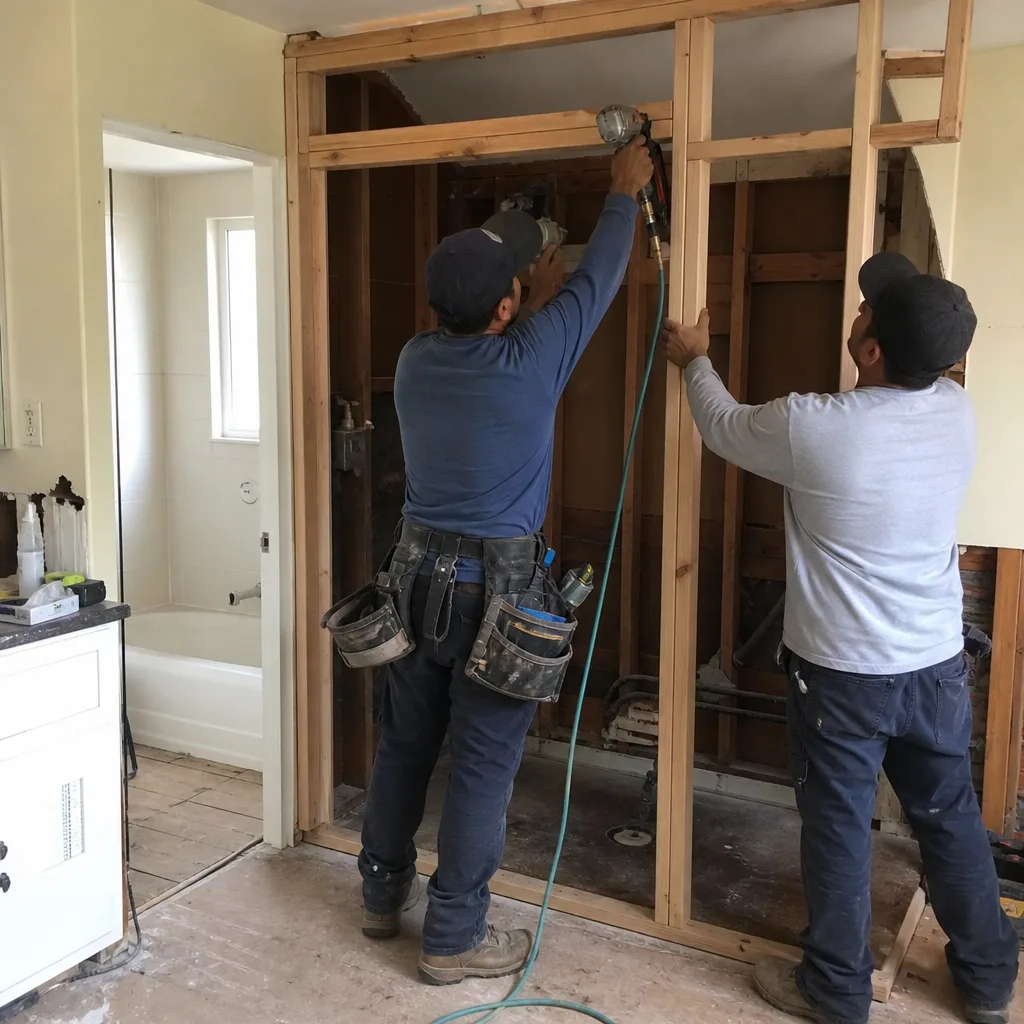
Call a licensed contractor when the work requires a permit, when a mistake would cost more than the labor savings, when your insurance policy excludes self-performed work, or when you plan to sell within two years and want a clean disclosure. In Santa Clarita, this describes most structural, electrical, plumbing, gas, roofing, and addition work.
Rowan Construction Group Santa Clarita offers free estimates in Santa Clarita - call (747) 294-3985. We deliver a written price before any work starts, every time, with a documented photo record on every visit and the 365-Day Done Right Promise printed on every agreement. Bring a competitor’s written estimate and we’ll review it line by line at no charge. Under Clause 1 of the Haven Standard, the number you agree to is the number you pay; no change proceeds without a signed change order.
Frequently Asked Questions
A professional kitchen remodel in Santa Clarita typically ranges from $45,000 for a mid-grade refresh to $85,000-plus for a full layout change with custom cabinetry and stone countertops. DIY savings concentrate in painting, hardware, and demolition; the structural, electrical, and plumbing work rarely saves money once permit fees, re-inspection costs, and risk-adjusted insurance exposure are included. Call (747) 294-3985 for a written line-item quote - estimates are free.
Yes, as the owner-occupant you can pull an owner-builder permit for bathroom work on your primary residence. The permit fee structure is identical to a contractor permit, and inspections are the same. You must disclose the owner-builder status if you sell within two years, and you assume liability for workers’ compensation and code compliance. For a bathroom remodel in Santa Clarita, many homeowners find the permit path simpler when handled by a licensed contractor.
Most standard HO-3 policies exclude damage resulting from “faulty, inadequate, or defective” work performed by the insured. If your self-installed supply line fails and floods the house, the carrier will likely deny the resulting damage claim. Coverage for the same failure would typically apply if a licensed plumber performed the work, though the plumber’s own insurance would be primary. Call (747) 294-3985 for an exact quote on professional plumbing - estimates are free.
California Business and Professions Code §7044 requires disclosure of owner-builder permits on the Transfer Disclosure Statement for sales within two years of permit finalization. The disclosure can trigger lender underwriting requirements, extended escrow timelines, and buyer negotiation leverage. After two years, the permit remains in public records but the specific disclosure obligation expires. This rule applies statewide, including all Santa Clarita neighborhoods.
Yes, under an owner-builder permit for your primary residence. However, the work must pass the same inspection as a licensed electrician’s work, and PG&E coordination for panel changes requires technical knowledge most homeowners lack. The CSLB and Santa Clarita Building and Safety both note that electrical work is the most common source of owner-builder inspection failures and safety incidents. For panel upgrades or circuit additions, professional execution is strongly advised.
Request a Certificate of Insurance (COI) and read the exclusions page, not just the coverage summary. Look for language excluding “work performed by or at the direction of the named insured” or similar. Ask the contractor’s agent directly whether homeowner-provided labor under a written contract is covered. Rowan Construction Group’s policy explicitly includes this coverage when documented in the contract scope; verify the same for any contractor you consider. Call (747) 294-3985 to discuss hybrid project structuring - estimates are free.
The Bottom Line
The DIY versus professional decision in Santa Clarita is not primarily about skill or courage. It’s about permit eligibility, insurance architecture, and resale economics. California gives homeowners the legal right to build their own projects, but that right comes with disclosure obligations and liability exposure that compound over time. DIY pays best where the work is non-structural, non-inspectable, and low-consequence if failed: painting, hardware, landscaping, trim. For everything else, the documented professional path protects more value than it costs. When in doubt, get a written estimate and compare the full cost picture, not just the labor line. The Haven Standard exists because we’ve seen too many homeowners learn the hard way that the cheapest bid is rarely the least expensive project.
Written by Grant Rowan, Owner at Rowan Construction Group Santa Clarita, serving Santa Clarita since 2007.