
Free written scope consultation - allowances, timeline, and change-order rules on paper before a single trade is scheduled
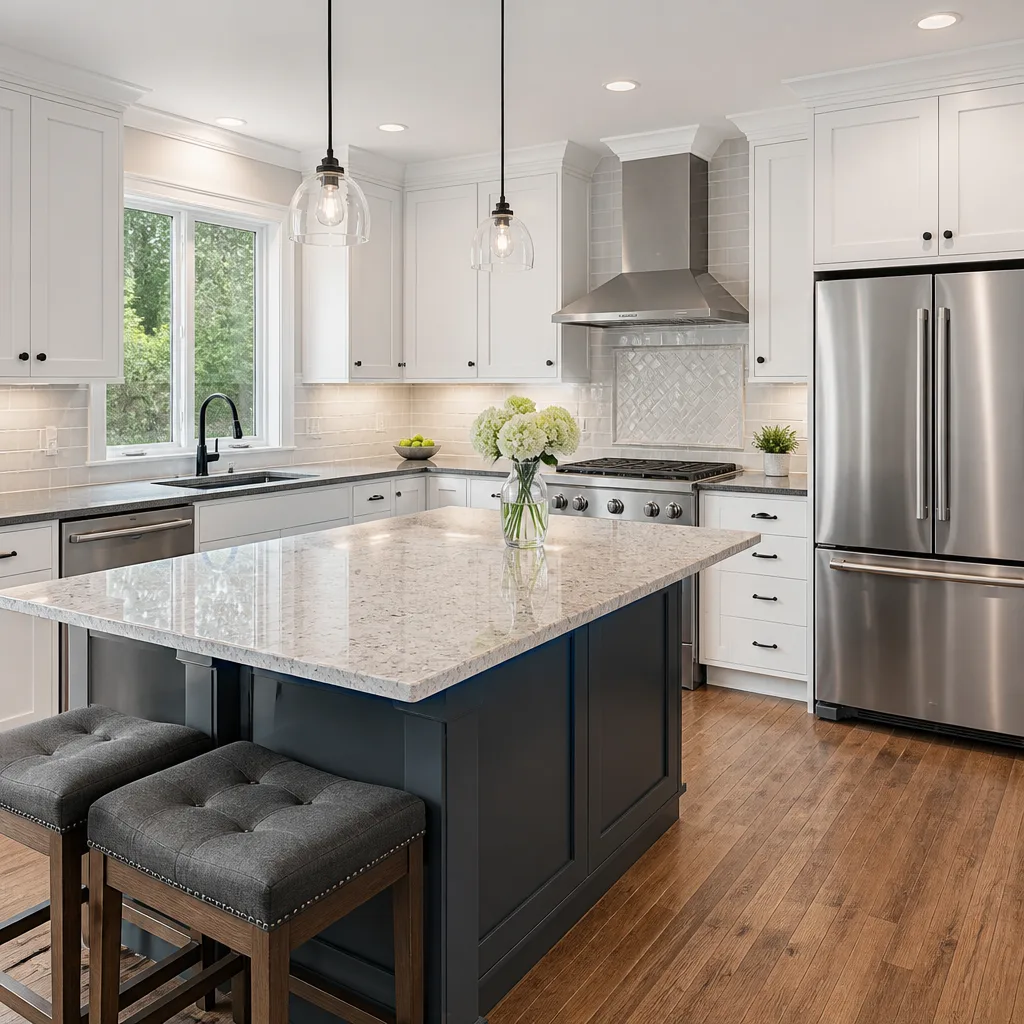
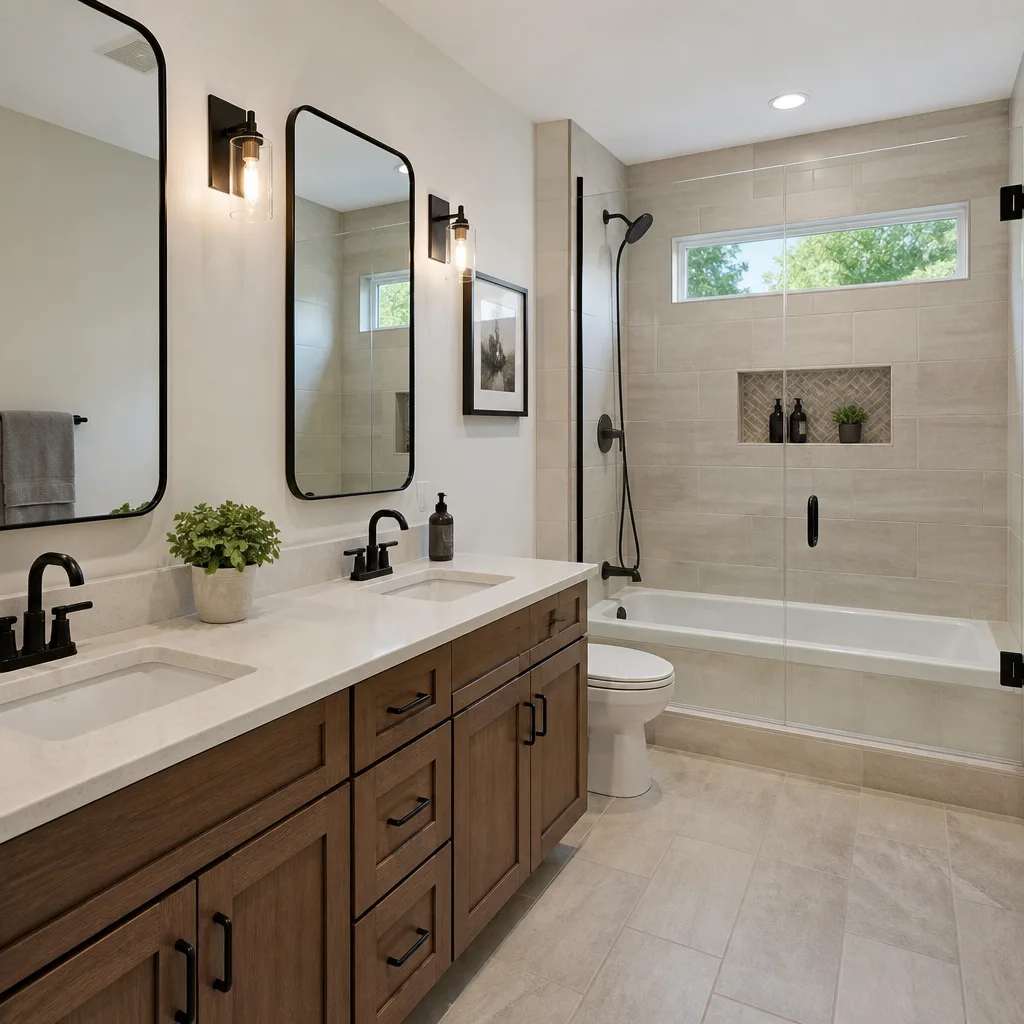
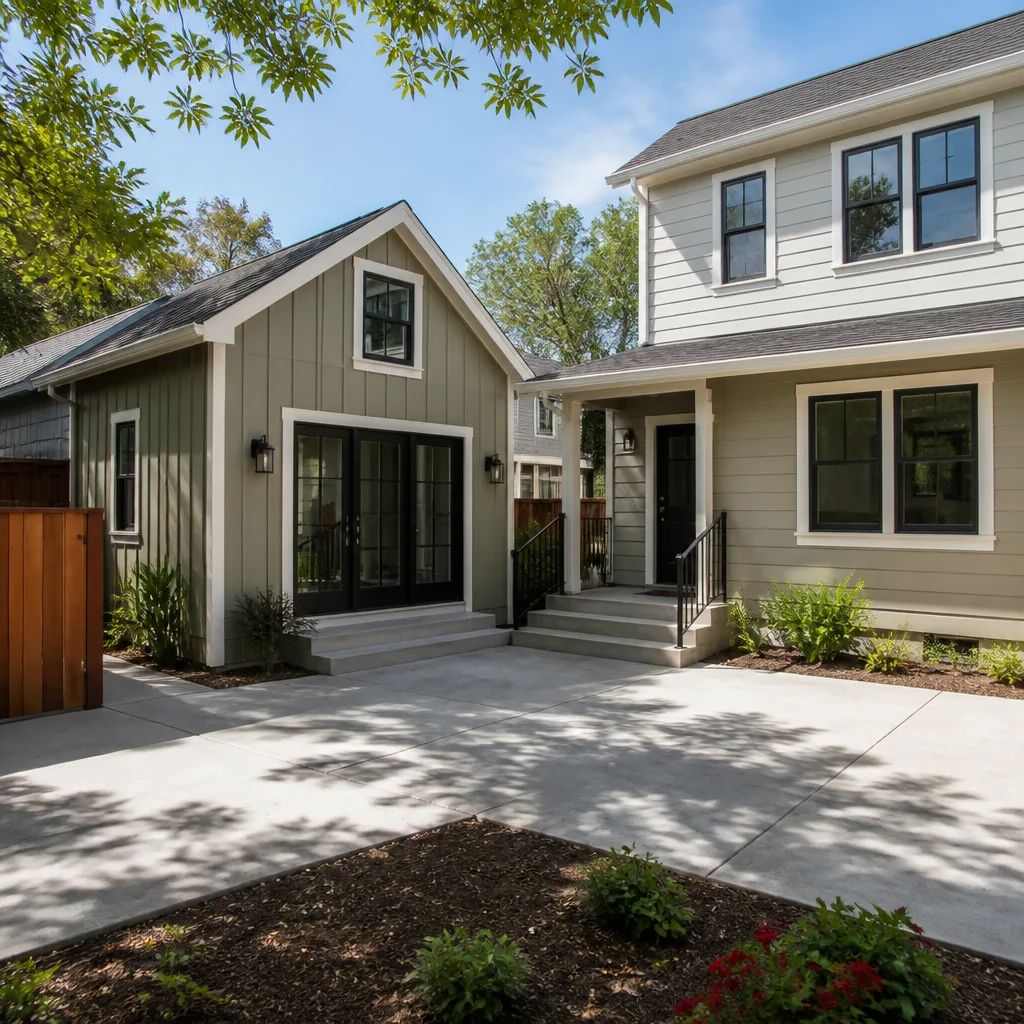
 Before
 After
After Before
 After
After Before
 After
AfterQuikrete Home Additions & ADU: The Santa Clarita Owner’s Guide
Quikrete concrete and masonry materials are commonly specified in Santa Clarita home additions and ADU projects, with installed costs for these structures running $45,000-$130,000 for additions and $90,000-$220,000 for detached ADUs. We stock and install Quikrete-compatible concrete mixes, mortar, and repair products for foundation work, slab pours, and masonry walls across Santa Clarita, including Stevenson Ranch and the Canyon Country corridor. Most Quikrete material sourcing and crew dispatch happens within 24-48 hours once the written scope is signed.
Homeowners usually discover a Quikrete material issue when a slab cracks along a control joint that was cut too late, when mortar between CMU blocks begins to powder after a wet Santa Clarita winter, or when a contractor points out the original pour used the wrong PSI mix for the soil conditions. These are not cosmetic problems; they are structural signals that the concrete or masonry assembly is failing to perform as designed.
Which Quikrete Models This Applies To
Quikrete produces dozens of SKUs, and the right one depends on the application, not the brand name alone. For Santa Clarita home additions and ADUs, we most often see four product families:
- Quikrete Concrete Mix (1101 series): The standard 4,000 PSI bag mix used for footings and slabs on grade. In Santa Clarita’s expansive clay soils, particularly in Saugus and Newhall, we specify this only where the geotechnical report calls for standard weight; lightweight structural mixes are often required for hillside ADU foundations.
- Quikrete Crack-Resistant Concrete Mix (1006-80): Contains synthetic fibers for shrinkage control. We use this for garage conversion slabs where the existing joint pattern is irregular and new concrete must tie in without telegraphing cracks.
- Quikrete Mortar Mix (1102): Type N and Type S variants for CMU block walls. The Type S is required for Santa Clarita’s seismic zone; Type N will fail inspection if used structurally.
- Quikrete FastSet Concrete Mix (1004-50): Sets in 20-40 minutes. Useful for small repairs but rarely for full slabs; the rapid set reduces working time and can finish poorly in inexperienced hands.
Identification is straightforward: the SKU and PSI rating are printed on every bag. The compatibility gotcha is mixing series within the same pour; a 1101 slab with a 1006-80 repair patch will cure at different rates and almost always delaminate at the cold joint. We stock 1101 and 1006-80 on our trucks for Santa Clarita jobs, and we source Type S mortar by the pallet for block-wall ADUs.
Rowan Construction Group Santa Clarita is an independent contractor, not affiliated with Quikrete. We specify Quikrete when the engineer’s details call for it, and we substitute equivalent products from Sakrete or Spec Mix when availability or spec demands.
Signs Your Quikrete Home Additions & ADU Is Failing
- Hairline cracks running parallel to the foundation wall: These indicate the slab cured too fast in Santa Clarita’s summer heat, or the control joints were cut deeper than one-quarter slab depth. The concrete lost moisture before hydration completed, and the surface tension pulled it apart.
- Spalling or flaking on the slab surface: Usually means the finishers worked bleed water back into the surface, diluting the cement paste. In ADU garage conversions, this happens when the original contractor rushed the pour to beat afternoon Santa Ana winds.
- Efflorescence (white powder) on block walls: Water is migrating through the mortar joints, dissolving salts, and depositing them on the surface. The Quikrete mortar may be sound, but the waterproofing detail behind it failed; or the mortar was mixed too wet and created permeable voids.
- Separation between an addition slab and the existing house foundation: Differential settlement in Santa Clarita’s hillside zones, especially near Sand Canyon, where the original soils report underestimated fill depth. The Quikrete concrete did not fail; the substrate did. The fix is structural, not cosmetic.
- Crumbled mortar joints in CMU walls: Type N mortar used where Type S was specified, or mortar mixed without the correct sand gradation. Santa Clarita’s seismic requirements are explicit; this is a code failure, not just weathering.
BeforeAfterReplacement Cost & What’s Included
Quikrete material replacement in a home addition or ADU context is almost never a bag-for-bag swap. The work is demolition, prep, and re-pour or re-lay, priced as a construction segment.
| Scope | Typical Range in Santa Clarita |
|---|---|
| Slab section removal and replacement (up to 200 sq ft) | $4,500-$9,500 |
| CMU block wall rebuild (structural, per linear foot) | $85-$140 |
| Foundation crack injection + carbon fiber strap | $1,800-$3,500 |
| Full ADU slab replacement (400-800 sq ft) | $12,000-$22,000 |
What drives the range: access for excavation equipment, whether the Santa Clarita building department requires a new soils report, and if the repair triggers full seismic retrofit under current code. Under Clause 1 of The Haven Standard, the price is written before anyone starts; the quote includes Quikrete material, labor, permits, and haul-off. Our 365-Day Done Right Promise covers the workmanship; material defects are handled through the manufacturer’s warranty channel. Every visit includes a documented photo record, standard, not optional.
DIY or Call Us?
There is one thing a homeowner can safely check: the bag SKU against the engineer’s spec. If the numbers match, the material is likely correct; if they don’t, stop the work and call.
Everything else belongs to a licensed contractor. Concrete work above 100 square feet requires a Santa Clarita building permit and inspection. Structural mortar joints in seismic zones are not a learning project. And the hidden risk is substrate: a homeowner can pour perfect Quikrete over bad fill and watch it crack in six months. We have removed DIY slabs in Valencia where the owner skipped the compaction step and saved $800 on a $12,000 job that became a $19,000 do-over.
Call (747) 294-3985 to schedule your free estimate. We will review the existing condition, confirm the spec, and deliver a written price before any work starts.
FAQs
Properly mixed, placed, and cured Quikrete concrete will last 50-plus years. In Santa Clarita, the failure mode is almost never the material itself; it is the substrate preparation, joint timing, or finish work. Call (747) 294-3985 for an exact quote on your specific condition - estimates are free.
Crack injection and epoxy resurfacing work for non-structural slabs up to about 50 square feet. For structural slabs, load-bearing walls, or any crack wider than one-quarter inch, replacement is the only code-compliant path. We will show you the photo record and tell you which category you are in.
Demo and haul-off: one day. Forming and prep: one day. Pour and finish: one day. Cure before structural load: seven days for standard mix, three days for FastSet in approved applications. Permits add five to ten business days in Santa Clarita.
We stock 1101 and 1006-80 series concrete mix on our trucks for Santa Clarita jobs. Specialty mixes, large-volume slab orders, and Type S mortar are sourced by the pallet from local suppliers with next-day availability. The material is included in your written quote, not billed as an extra.
Measure twice, document once, build it right the first time. That is how Grant Rowan has run every job since 2007.
Written by Grant Rowan, Owner, Rowan Construction Group Santa Clarita at Rowan Construction Group Santa Clarita, serving Santa Clarita and nearby areas.