
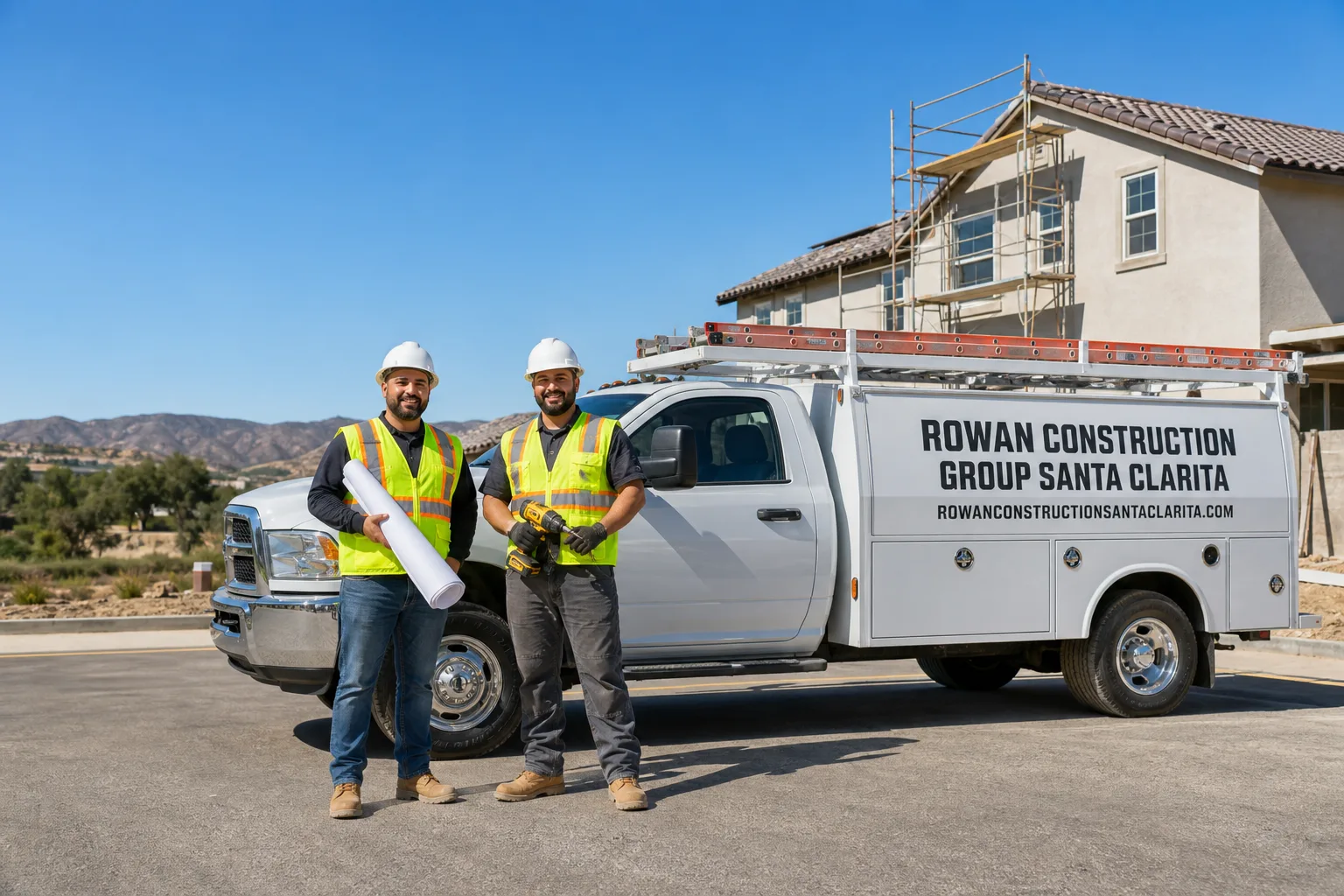
Free written scope consultation - allowances, timeline, and change-order rules on paper before a single trade is scheduled
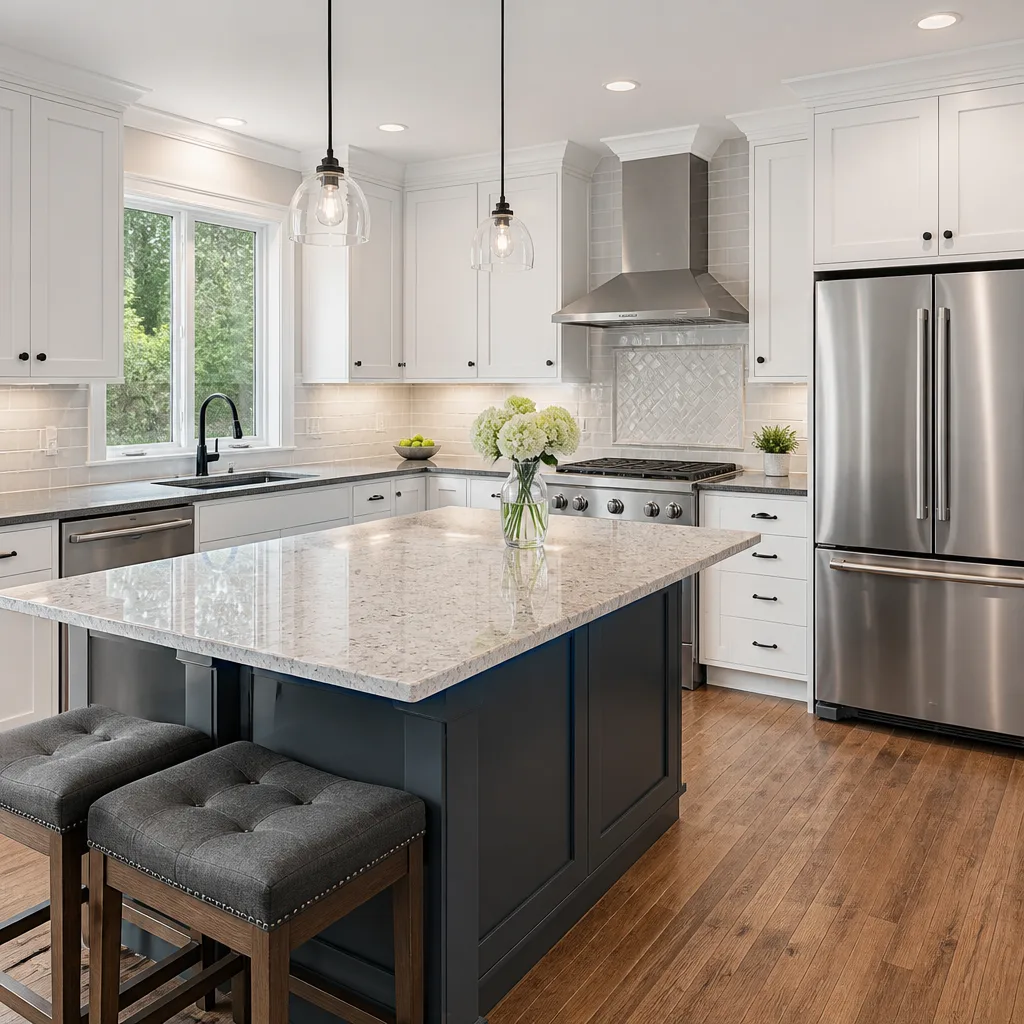
 Before
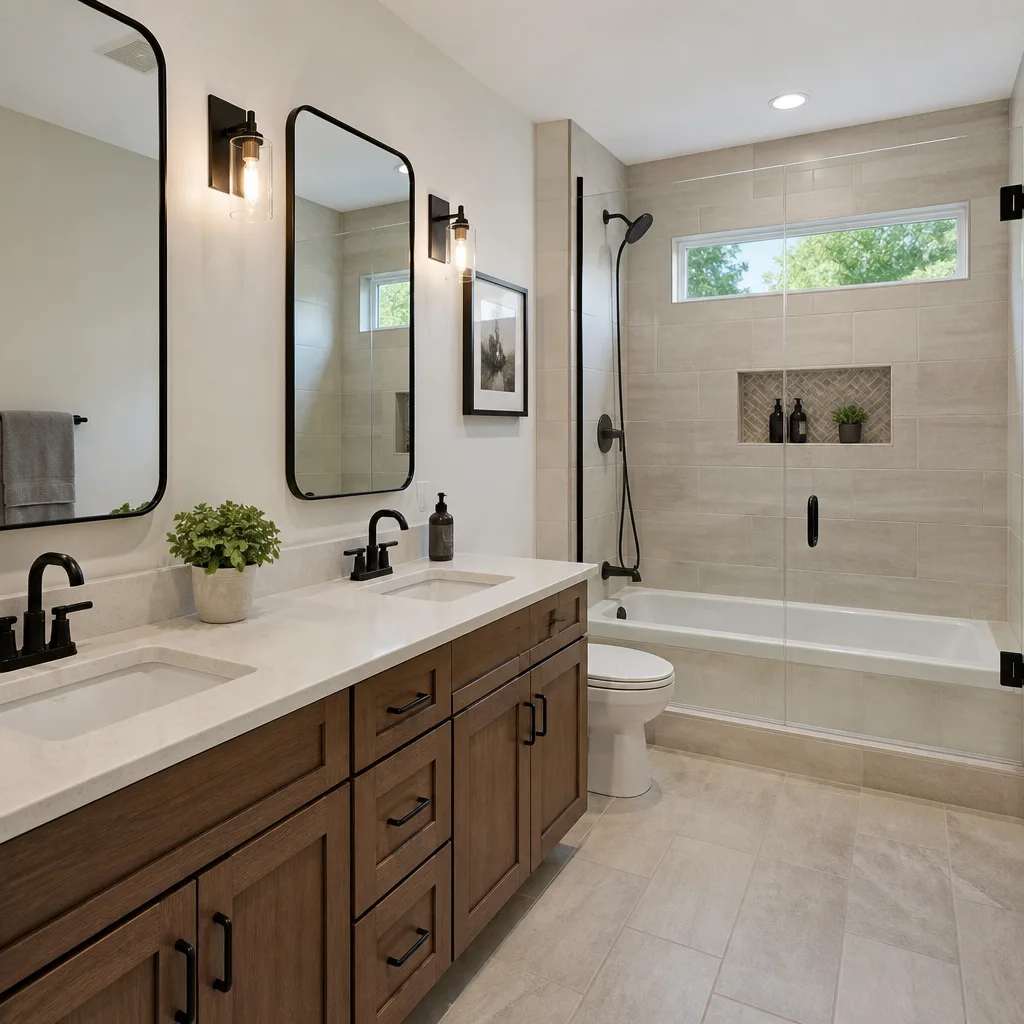
 After
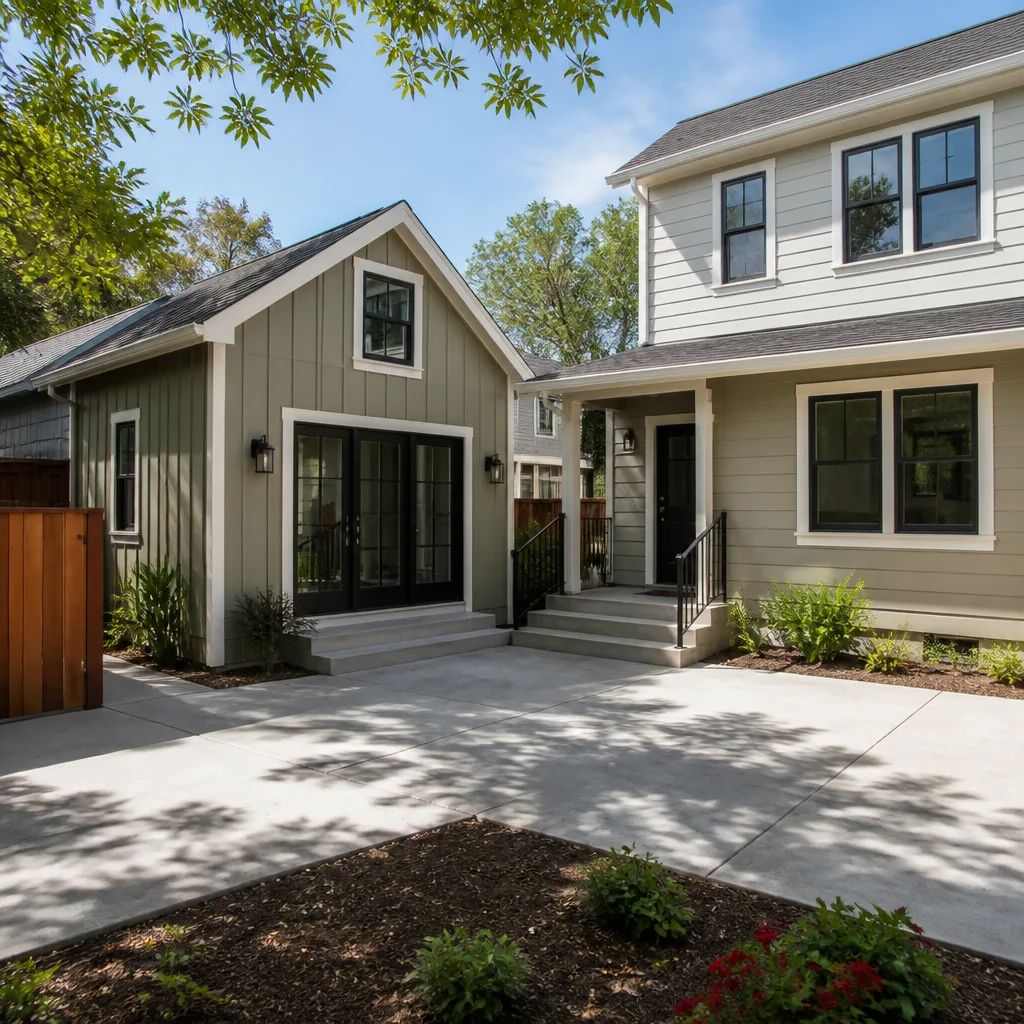
After Before
 After
After Before
 After
AfterHow Much Does Glass Railing Installation Cost in Santa Clarita?
Glass railing installation in Santa Clarita, CA typically runs $150 to $600 per linear foot installed, which puts a standard 30-linear-foot deck or staircase railing somewhere between $4,500 and $18,000 for most residential projects. The range is wide because the system type matters enormously: a frameless tempered-glass panel set into a structural base shoe costs significantly more than an aluminum post-and-rail system with glass infill panels. Most homeowners in Santa Clarita budget $8,000 to $13,000 for a complete exterior deck railing replacement once permit fees, hardware, and labor are factored in.
Glass Railing Installation Cost Breakdown (2026)
The table below reflects current Santa Clarita market pricing for the 2026 season, based on residential projects across neighborhoods like Valencia, Stevenson Ranch, Saugus, and Newhall. These are installed costs – material and labor combined – not material-only quotes you might see at a big-box retailer.
| System Type / Project Scope | Estimated Installed Cost (Santa Clarita) |
|---|---|
| Post-and-Rail with Glass Infill (aluminum frame) | $150 - $280 per linear foot |
| Standoff / Spigot-Mount Frameless Glass | $220 - $380 per linear foot |
| Frameless Base-Shoe System (flush floor mount) | $320 - $600 per linear foot |
| Staircase Glass Railing (30-40 linear feet) | $5,500 - $14,000 installed |
| Deck or Patio Railing (30-50 linear feet) | $4,500 - $18,000 installed |
| Second-Story Deck or Balcony Railing | $6,500 - $20,000 installed |
| Interior Stair Railing – Partial (15-20 LF) | $3,200 - $9,000 installed |
| Pool Fence / Glass Panel Barrier | $180 - $420 per linear foot |
| Tempered vs. Laminated Glass Upgrade | +$20 - $60 per square foot on glass cost |
| Permit Fee (Los Angeles County / City of Santa Clarita) | $350 - $950 depending on valuation |
What Pushes Costs Higher
The two biggest cost drivers are the glass specification and the mounting method. Frameless base-shoe systems – where the glass panel slots into a continuous aluminum channel bolted to the deck framing – require more precise substrate work and thicker glass (typically 1/2-inch tempered or 9/16-inch laminated) than a system that uses visible spigots or standoffs. That extra glass thickness and the tighter tolerance on the substructure accounts for most of the gap between the low and high ends of the price range.
On second-story decks in areas like the hillside sections of Canyon Country or some of the elevated lots in Stevenson Ranch, installers deal with wind-load calculations that push the design into a structural engineering review. Santa Clarita sits in a high-wind zone under California’s building code, and any exterior glass railing over a certain height above grade requires engineered drawings before the City will issue a permit. That adds $400 to $1,200 in engineering fees on top of the permit itself – a line item that surprises a lot of homeowners who got a verbal quote that didn’t mention it.
What Keeps Costs Lower
Ground-level patio railings on an existing concrete slab are the most predictable scope in this category. The substrate is solid, the height is low enough that a standard code-compliant design doesn’t need project-specific engineering, and the linear footage tends to be shorter than a wraparound deck. In Saugus and Valencia, where a lot of the tract housing has flat concrete patios with 20 to 30 linear feet of perimeter to rail, post-and-rail aluminum systems with glass infill can come in at the lower end of the range – $4,500 to $7,500 – without cutting corners on the glass specification.
What Affects Glass Railing Installation Pricing in Santa Clarita
- System type and mounting method: A post-and-rail system with glass infill panels costs less than a frameless base-shoe or spigot system because the hardware carries more of the load and the glass doesn’t have to be as thick. Frameless systems use 1/2-inch to 9/16-inch tempered or laminated safety glass; framed systems can get by with 3/8-inch panels. The glass cost alone shifts by $20 to $60 per square foot between these specs.
- Linear footage and panel count: Glass railing is priced by the linear foot, but the actual cost-per-foot tends to drop slightly as the project gets longer – because mobilization, hardware ordering, and permit fees are largely fixed. A 20-foot run costs more per foot than a 60-foot run from the same contractor. Panel-to-panel joints and corner connections add cost regardless of run length.
- Substrate condition and height above grade: Deck framing that’s soft, out of level, or spaced wrong for the chosen base-shoe channel adds labor and sometimes material cost before the first glass panel goes in. In Santa Clarita’s older neighborhoods like Newhall, wood decks from the 1980s and 1990s frequently need joist reinforcement before a glass system can be properly anchored. Second-story installations also trigger wind-load and guardrail-height reviews under Section R312 of the California Residential Code.
- Permit and engineering requirements: The City of Santa Clarita requires a building permit for most exterior railing replacements, and Los Angeles County handles unincorporated areas like parts of Canyon Country under a separate fee schedule. High-elevation or second-story projects frequently require stamped engineering drawings, which run $400 to $1,200. Skipping the permit is not a workable option – unpermitted glass railings become a problem at resale and can void homeowner’s insurance coverage on a related claim.
- Glass type and treatment: Standard tempered glass is the baseline. Laminated glass – two panes bonded with an interlayer so the panel stays in place if it cracks – costs more but is required in some overhead and pool applications under California Building Code Section 2406. Tinted, low-iron (ultra-clear), and acid-etched glass all add to the material cost, typically $15 to $40 per square foot above the clear tempered baseline.
- Hardware finish and top rail choice: Brushed stainless, satin black powder coat, and oil-rubbed bronze finishes all carry different price points. A continuous stainless top rail (the horizontal bar along the top of the glass panels) adds $30 to $80 per linear foot over a system with no top rail. In Santa Clarita’s outdoor living culture – where backyard spaces in Valencia and Stevenson Ranch get year-round use – homeowners frequently upgrade to a stainless top rail because it handles sun, heat, and pool chemistry better than a painted aluminum cap.
BeforeAfterHow to Save on Glass Railing Installation
Specify the right system for your use case
The most common way homeowners overspend is choosing a frameless base-shoe system for a location where a spigot or post-and-rail system would look equally clean and cost $80 to $150 less per linear foot. On a 40-foot deck railing, that difference is $3,200 to $6,000. At Rowan Construction Group, the written quote includes a side-by-side breakdown of at least two system options with the price difference spelled out – so the choice is a real decision, not a default.
Combine the railing project with adjacent scope
If you’re also replacing a deck surface, resurfacing a patio with pavers, or updating a fence line, scheduling that work in the same mobilization cuts overhead. Permit fees sometimes consolidate as well, depending on how the city classifies the combined scope. On projects in Valencia and Saugus where we’ve paired Glass Railing Installation in Santa Clarita with a paver patio or deck rebuild, the combined per-foot railing cost has come in 8 to 12 percent lower than the same railing scope quoted standalone – because the crew is already on site and the substrate work overlaps.
Get the permit pulled correctly the first time
Unpermitted work that has to be opened up for inspection after the fact costs more to remediate than the permit would have cost to begin with. Santa Clarita’s building department has been active on deck and railing inspections in residential neighborhoods, and a failed inspection on an unpermitted installation can require the contractor to remove panels and expose the base-shoe anchors – adding $800 to $2,500 in rework labor. A written scope that includes permit acquisition from the start eliminates that risk.
Lock in your written price before material costs shift
Tempered glass pricing tracks with float glass commodity markets, which have seen notable swings since 2022. Getting a flat written price – not an estimate with a “subject to material availability” clause – protects you from cost creep between the quote date and the installation date. Under the Haven Standard, every Rowan quote is a flat written price with a signed scope. If the glass price moves between quote and install, that’s Rowan’s problem, not yours, because no change proceeds without a signed change order under Clause 1 of The Haven Standard.
Use the free second opinion before you sign anything
If you have a written quote from another contractor, Rowan will review it line by line at no charge – checking the glass spec, the hardware grade, the permit line, and the warranty terms. A lot of Santa Clarita homeowners have brought in quotes that listed “tempered glass” without specifying thickness, which makes the quote legally non-binding on the spec. Call (747) 294-3985 to schedule that review. It takes about 20 minutes and costs nothing.
Glass Railing Installation Cost in Santa Clarita: FAQs
How much does glass railing installation cost in Santa Clarita, CA in 2026?
Glass railing installation in Santa Clarita costs $150 to $600 per linear foot installed, with most residential deck and patio projects falling between $4,500 and $18,000 for a complete installation including hardware, glass, and labor. The median project – a 35-foot deck railing using a spigot-mount frameless system in brushed stainless – runs roughly $9,000 to $12,000 before permit fees. Call (747) 294-3985 for a flat written quote on your specific scope – estimates are free.
Do I need a permit for glass railing installation in Santa Clarita?
Yes, in almost all cases. The City of Santa Clarita requires a building permit for exterior railing installations and replacements, and that permit triggers an inspection of the attachment method and glass specification. Permit fees typically run $350 to $950 depending on the project’s declared valuation. Second-story or elevated applications often require stamped engineering drawings, which add $400 to $1,200 to the total cost. Rowan handles permit acquisition as part of the written project scope – it’s not a separately billed line item, and it’s not something we skip.
How long does glass railing installation take in Santa Clarita?
A standard residential glass railing project – 30 to 50 linear feet on an existing, sound substrate – takes two to four days of on-site labor once the permit is in hand and the glass has been fabricated to the site-specific measurements. Glass fabrication lead time is currently running three to five weeks in the Los Angeles County market, so the realistic timeline from signed contract to final inspection is six to eight weeks for most Santa Clarita projects. Projects that need substrate repair or engineering review add time on the front end.
Is frameless glass railing worth the extra cost compared to a framed system?
For most of Santa Clarita’s outdoor living spaces, frameless systems add $80 to $200 per linear foot over a post-and-rail framed system – a real difference on a 40-foot railing. Whether that premium is worth it depends on the view and the use. On elevated valley-view lots in Stevenson Ranch or the hillside sections of Canyon Country, the unobstructed sight line a frameless system provides justifies the cost for most homeowners. On a ground-level side yard or a utility-facing deck, a post-and-rail system with quality glass infill looks sharp and holds up equally well. Rowan’s written quotes include both options with the price difference in writing so the decision is yours to make with real numbers in front of you.
What glass thickness is required for railing systems in California?
California Building Code Section 2407 sets the minimum glass thickness for railing systems at 3/8 inch for framed panels and 1/2 inch for frameless (unframed) panels. Pool barriers and overhead applications typically require laminated safety glass rather than monolithic tempered. In practice, most quality frameless installations in Santa Clarita use 1/2-inch tempered or 9/16-inch laminated glass, because the thicker spec reduces panel flex and performs better under Santa Clarita’s afternoon wind loads – which can be significant in the pass areas near the 14 freeway corridor. A contractor who quotes frameless glass at 3/8 inch is worth questioning on that point before you sign.
What is the difference between tempered and laminated glass for railings?
Tempered glass is a single pane that has been heat-treated to be roughly four times stronger than standard glass; if it breaks, it shatters into small, relatively blunt fragments. Laminated glass is two panes bonded with a polyvinyl interlayer – when it breaks, the fragments stay bonded to the interlayer, so the panel holds its shape rather than falling. Laminated glass costs $20 to $60 per square foot more than tempered at equivalent thickness. California code requires laminated glass in overhead glazing and certain pool applications. For vertical deck railings, tempered is code-compliant and the more common choice; laminated is a worthwhile upgrade on second-story applications where a panel failure at height carries more risk.
What the Written Quote Covers – and What to Watch For
A common issue we see when Santa Clarita homeowners bring in competitor quotes for a free second opinion is that the scope description is vague enough to allow material substitution after signing. “Glass railing system with hardware” is not a specification. A written quote that can actually be held to should name the glass thickness, the glass type (tempered or laminated), the frame or base-shoe manufacturer, the hardware finish, the top rail spec if applicable, and whether permit acquisition is included or billed separately.
At Rowan Construction Group, every quote produced under the Haven Standard lists each of those elements in writing before anyone picks up a tool. The customer knows the glass is 1/2-inch tempered low-iron, the base shoe is a specific aluminum extrusion, the spigots are marine-grade 316 stainless, and the permit is included in the flat price. When the crew arrives, the photo record documents what was found at the substrate before any glass goes in. That record goes to the customer at job completion – not as an upsell, but as a standard part of how we close a project.
The 365-Day Done Right Promise applies to every glass railing installation Rowan completes in Santa Clarita. If something is wrong within a year – a panel that moves in its mount, hardware that develops a finish issue, a base-shoe seal that admits water – Rowan makes it right. That promise is printed on the contract, not offered verbally.
Key Takeaways
- Glass railing installation in Santa Clarita runs $150 to $600 per linear foot installed, or $4,500 to $18,000 for most complete residential projects.
- Frameless base-shoe systems cost more than post-and-rail with glass infill – the difference is real and worth evaluating against your actual view and use case.
- Permits are required, permit fees run $350 to $950, and second-story projects frequently need engineering drawings ($400 to $1,200).
- Santa Clarita’s wind conditions and high-elevation lots in areas like Canyon Country and Stevenson Ranch affect the structural requirements and the glass spec needed to meet code.
- A flat written price with a named glass spec, hardware spec, and permit line is the only quote worth signing. “Estimate subject to change” is not a written price.
- Combining railing with a deck or paver project can reduce the per-foot cost by 8 to 12 percent – because mobilization and substrate work overlap.
- Rowan’s Free Second Opinion offer applies to any written competitor quote – a line-by-line review at no charge before you commit.
Ready for a Written Price? Here’s How to Get One
If you have a specific project in mind – a deck railing in Valencia, a staircase replacement in Saugus, a pool barrier in Stevenson Ranch, or anything else in the Santa Clarita area – the process at Rowan starts with a free on-site estimate that produces a flat written price, not a ballpark. Grant Rowan and the team at Rowan Construction Group have been delivering written prices before any work starts since 2007, across more than 4,000 projects, and that discipline doesn’t change by trade or project size.
Call (747) 294-3985 to schedule your free estimate. A live person answers. If you have a competitor’s written quote already, bring it – the free second opinion review is a standing offer, and it’s worth 20 minutes of your time before you sign anything.
Pricing reflects the Santa Clarita market as of 2026. Rowan Construction Group Santa Clarita offers free estimates – call (747) 294-3985.
Written by Grant Rowan, Owner at Rowan Construction Group, serving Santa Clarita since 2007.
What Our Customers Say
"Good communication throughout. Weekly written update meant I never had to chase them."
- Nadine G."Driveway replaced properly with a base that will actually last. They explained why the cheaper quote was cheaper."
- Reggie O."Final invoice was within two percent of the contract. Every change was priced and signed before anyone picked up a tool."
- Malcolm T.