
Free written scope consultation - allowances, timeline, and change-order rules on paper before a single trade is scheduled
 Before
 After
After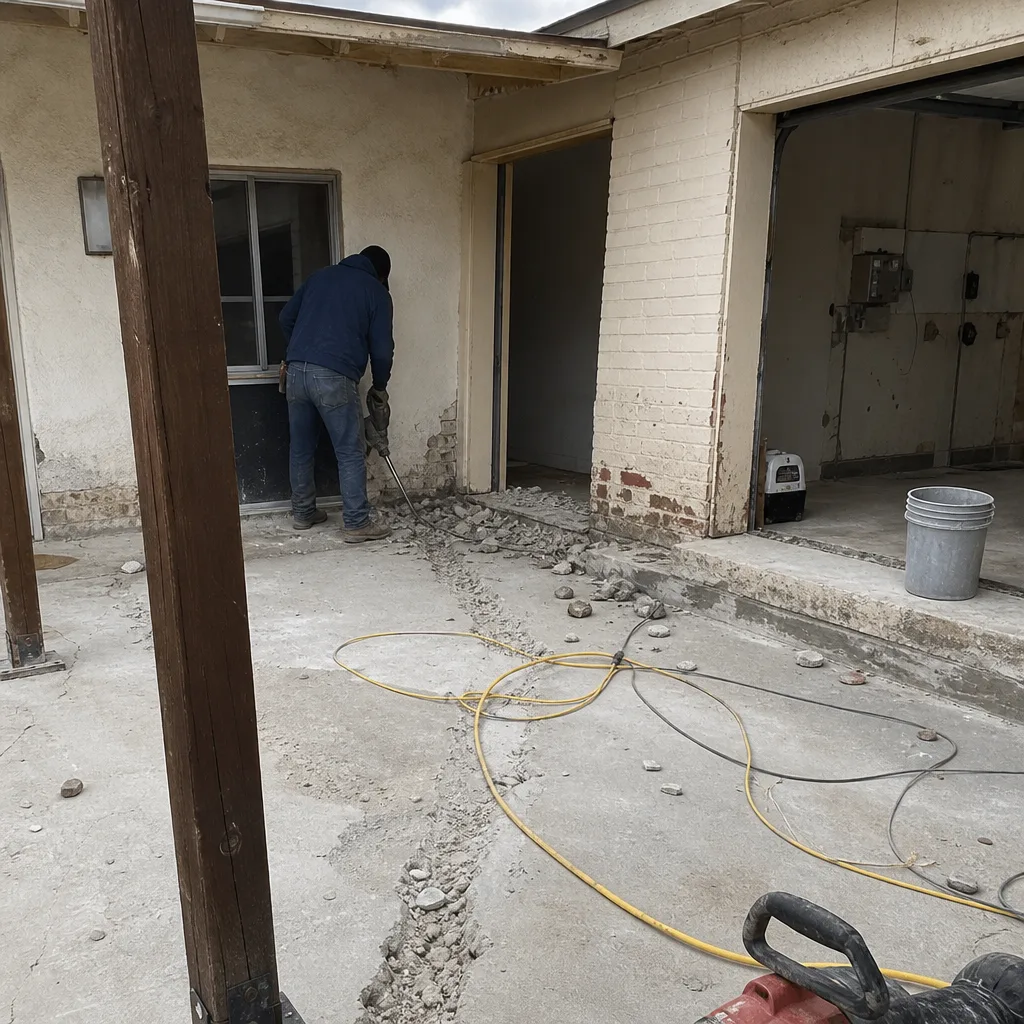 Before
 After
After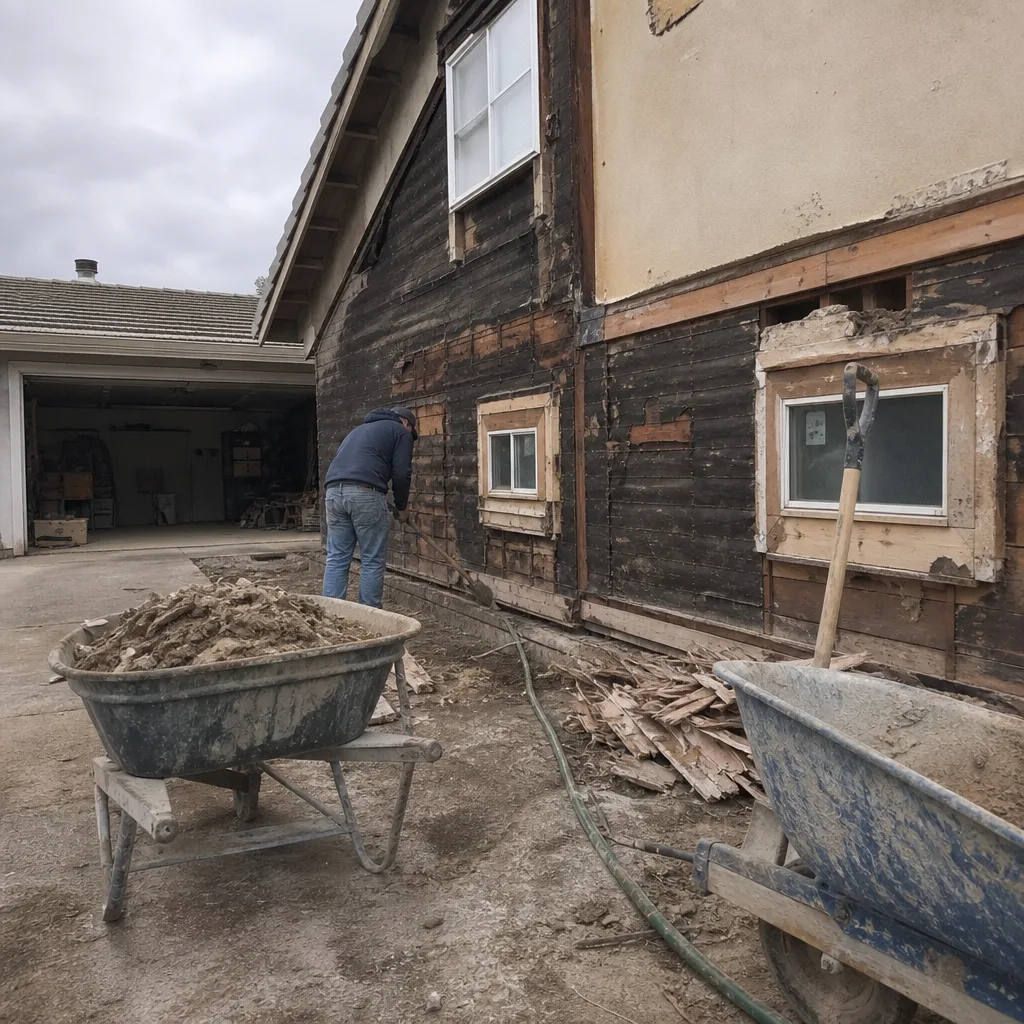 Before
 After
AfterHow Much Does Walk-In Shower Installation Cost in Santa Clarita?
Walk-in shower installation in Santa Clarita typically costs between $4,500 and $12,000, with most homeowners landing somewhere in the $6,500 to $9,000 range for a mid-grade tile build with a frameless glass enclosure. The final number depends on shower size, tile selection, glass type, and whether the existing plumbing and subfloor need work before anything goes in.
If you want a written price specific to your bathroom before a single tile is ordered, Walk-In Shower Installation in Santa Clarita outlines exactly what Rowan Construction Group includes in every quoted scope – and what you’ll have in writing before work starts.
Walk-In Shower Installation Cost Breakdown (2026)
The $4,500-$12,000 range covers a wide spectrum. A basic 36″ x 36″ tile shower with a prefab glass enclosure sits at the low end. A 60″ x 36″ custom build with large-format porcelain, a niche, linear drain, and frameless glass pushes toward $10,000-$12,000. Below is how the individual cost components typically stack up in the Santa Clarita market.
| Cost Component | Typical Range (Santa Clarita, 2026) | Notes |
|---|---|---|
| Demolition and removal | $300 – $900 | Higher if removing a tub-shower combo or cast-iron tub |
| Waterproofing membrane | $400 – $900 | Schluter Kerdi or similar bonded systems; not optional on any build |
| Shower pan / floor | $600 – $2,000 | Mud-bed custom pans cost more than prefab acrylic bases |
| Wall tile (labor + materials) | $1,200 – $4,500 | Ceramic is the low end; 24×48 porcelain slabs are the high end |
| Glass enclosure | $800 – $2,800 | Framed vs. semi-frameless vs. frameless; custom cuts add cost |
| Plumbing rough-in / fixtures | $500 – $1,800 | Kohler or Moen valve/trim; moving supply lines costs more |
| Niche, bench, or built-ins | $200 – $800 each | Recessed niches require framing and waterproofing at the pocket |
| Electrical (GFCI, lighting, exhaust) | $200 – $600 | Code-required in Santa Clarita if adding a fixture or moving a circuit |
| Permits (City of Santa Clarita) | $150 – $450 | Required for structural changes, moving plumbing, or adding electrical |
Add those line items together for a straightforward 36×36 build with mid-grade tile and a semi-frameless enclosure, and you’re typically at $4,500 to $6,500. Expand to a 60×36 walk-in with a Kohler thermostatic valve, a mud-bed custom floor, large-format tile, and a fully frameless enclosure and the same arithmetic puts you between $8,500 and $12,000. The materials are the biggest swing factor – tile alone can range from $2 per square foot for ceramic to $18 per square foot for some rectified porcelain or natural stone formats.
One cost that surprises many Santa Clarita homeowners: subfloor repair. Many SCV homes built in the 1980s and 1990s have OSB subfloors beneath original tub surrounds that absorbed years of moisture. When we pull the demo, we sometimes find soft spots that need sistering or full section replacement – typically $300 to $700 depending on the extent. That’s not a cost we enjoy delivering after demo, which is why our scopes include a subfloor inspection clause and a written change-order process: if we find damage, the scope and the number change on paper before any repair starts, not after.
What Affects Walk-In Shower Installation Pricing in Santa Clarita
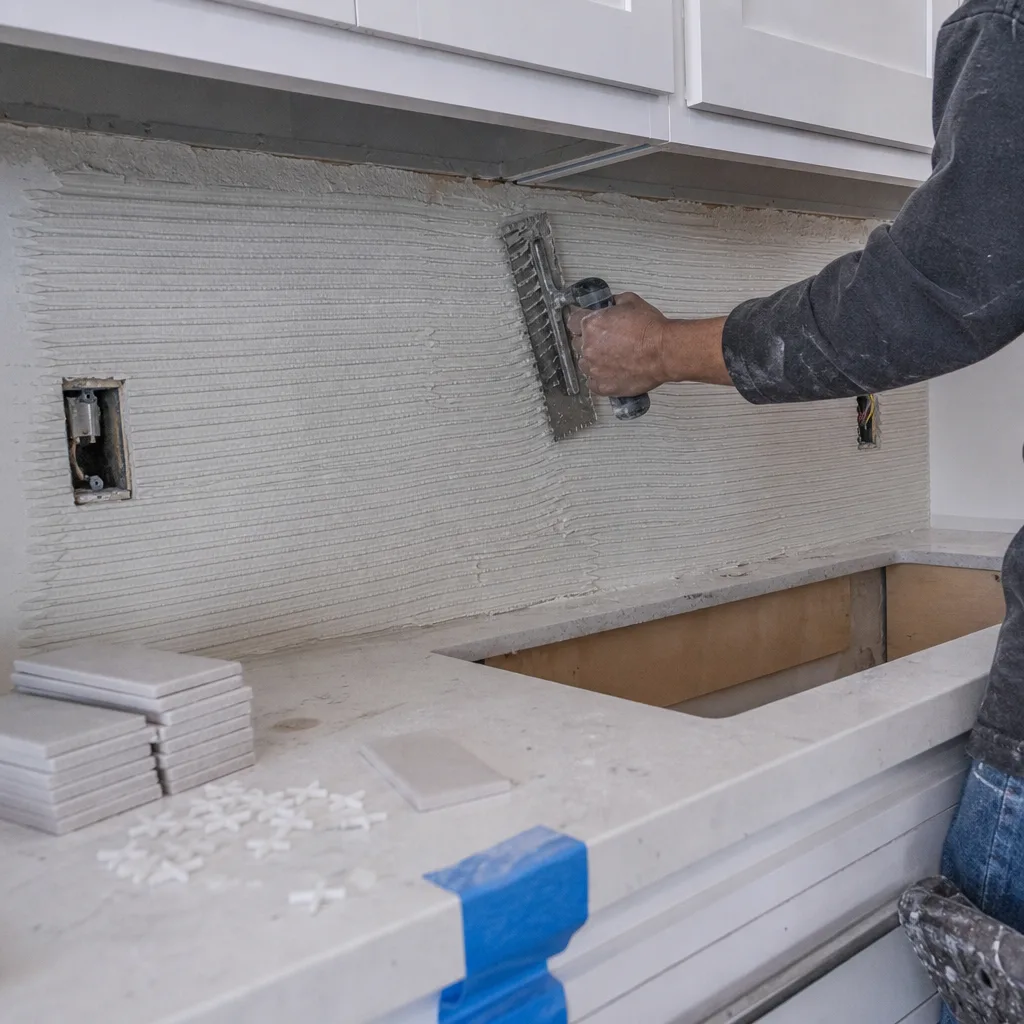
- Shower footprint and configuration: A 32×32 corner shower costs less than a 60×36 walk-in with a bench, and significantly less than a wet-room-style installation that waterproofs the entire bathroom floor. Every additional square foot of tile and linear foot of glass adds real dollars – plan for roughly $80 to $140 per additional square foot once labor, tile, and waterproofing are factored together.
- Tile format and material: This is the single biggest cost variable. A standard 4×4 ceramic wall tile at $1.50/sq ft and a 24×48 rectified porcelain slab at $12/sq ft produce very different materials budgets. Larger tiles also take longer to set because they require a flatter substrate – so labor goes up with the tile size. Natural stone (travertine, marble) adds sealing labor on top of that.
- Glass enclosure type: Framed aluminum enclosures are the most affordable at $800 to $1,200 installed. Semi-frameless units with thicker glass and fewer visible aluminum channels run $1,200 to $1,800. Fully frameless enclosures with 3/8″ or 1/2″ tempered glass – the ones that look clean and hotel-like – typically land at $1,800 to $2,800 for a standard swing-door configuration. Custom out-of-square openings add a templating fee.
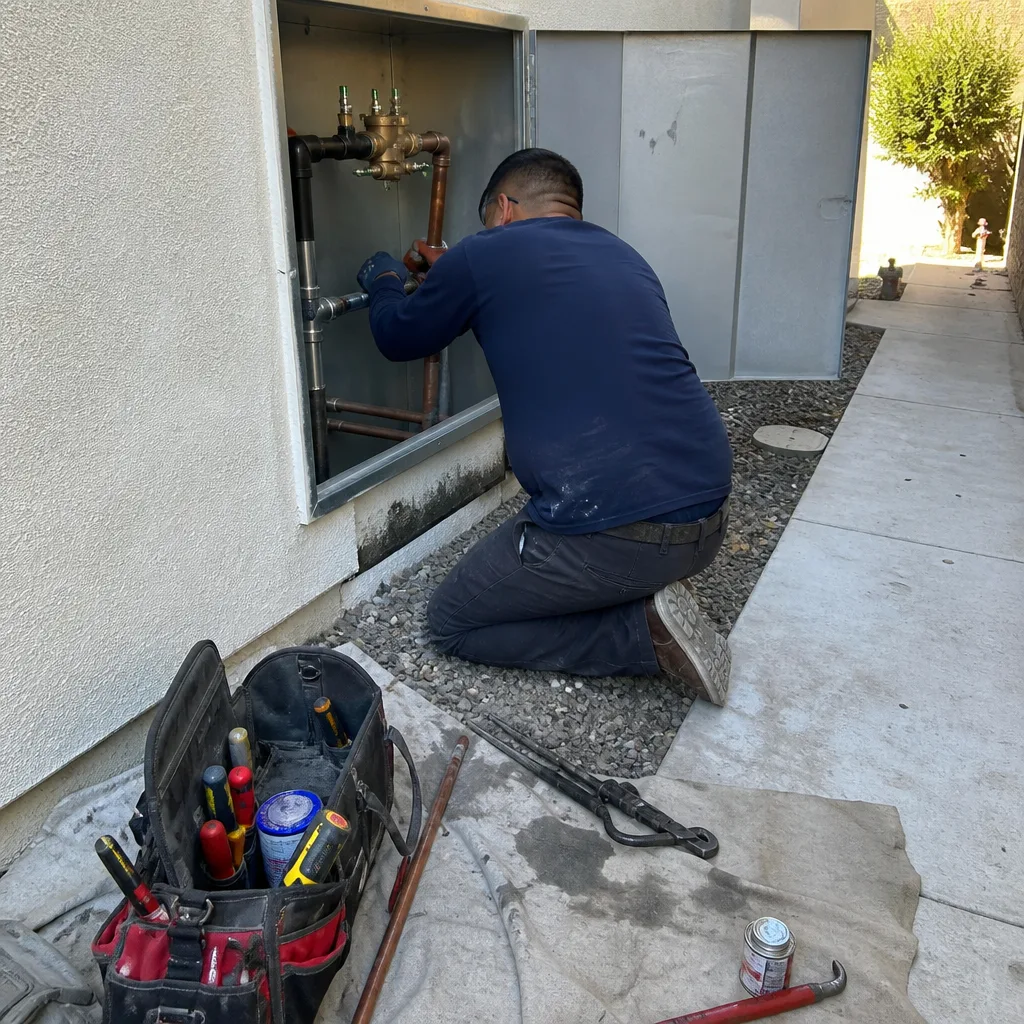
- Plumbing relocation: If the new shower footprint keeps the drain and supply lines in roughly the same location, plumbing labor stays modest – usually $500 to $900. Moving a drain even 12 inches in a slab-on-grade home (common in Santa Clarita’s tract housing) means cutting concrete, and that adds $800 to $1,500 to the plumbing scope alone. We confirm the existing drain location at the estimate stage so this doesn’t surface mid-project.
- Santa Clarita permit requirements: The City of Santa Clarita and the County unincorporated areas (Stevenson Ranch, Val Verde) each have their own building departments. Permit fees for a shower conversion or new shower installation generally run $150 to $450, and inspections are required for rough plumbing and electrical before the walls close. We pull permits on every applicable job – a contractor who skips permits is leaving that liability with the homeowner, which surfaces at sale time.
- Existing condition of the demo area: Homes in Canyon Country and Saugus built before 1980 occasionally have asbestos-containing tile mastic or drywall compound. If a pre-inspection finds regulated materials, abatement adds $500 to $1,500 before the shower build can proceed. We note this risk in the written scope for any pre-1985 home so the customer isn’t caught off guard.
- Accessibility features: Zero-threshold entries, fold-down teak benches, ADA-compliant grab bars set in backing-reinforced walls, and handheld showerheads on slide bars are increasingly common in Santa Clarita given the number of homeowners aging in place in communities like Westridge and Valencia’s planned neighborhoods. These additions typically add $400 to $1,200 to the base scope depending on the configuration.
BeforeAfterWalk-In Shower Tiers: What You Get at Each Price Point
Rather than quoting a wide range and leaving you to guess where your project falls, here’s what the Santa Clarita market actually delivers at each tier.
Entry Level: $4,500 – $6,500
This budget covers a 32×32 to 36×36 shower with a prefab acrylic or fiberglass base, ceramic subway tile on the walls, a framed or semi-frameless glass door, and a standard single-function showerhead. The waterproofing membrane is not optional at any price point – we use Schluter Kerdi or a comparable bonded system regardless of budget. Permits and basic plumbing connections are included. This is a clean, functional result. It’s not a showstopper, but it holds up and it passes inspection.
Mid-Range: $6,500 – $9,000
This is where the majority of Santa Clarita homeowners land on a primary bathroom upgrade. At this budget you get a 36×48 to 60×36 footprint, a custom mud-bed floor or modern linear drain system, mid-grade porcelain tile (typically 12×24 format), a semi-frameless or frameless glass enclosure, a pressure-balance Kohler or Moen valve with separate trim, and one recessed niche. Subfloor repairs up to minor sistering are usually absorbable. The result is a shower that adds genuine resale value and photographs well – relevant in a market where Zillow listings live or die on bathroom photos.
Upper Range: $9,000 – $12,000
At this tier the shower becomes a primary bathroom feature rather than a utility. Think 60×36 or larger footprints, large-format porcelain (24×24 or slab), a frameless glass enclosure with a custom swing or sliding door, a thermostatic Kohler or Toto valve system with multiple outlets (rain head, handheld, body sprays), a linear drain with a tile insert, a bench, two niches, and potentially niche lighting. Tile labor is higher because large-format setting is slower and requires a more exacting substrate. This scope also tends to involve more plumbing work to support multiple valve functions.
Beyond $12,000
Projects that exceed $12,000 typically involve natural stone (particularly book-matched marble that requires seaming), steam generators, full wet-room waterproofing of an entire bathroom floor, or shower-plus-bathroom-remodel combinations. At that point the pricing overlaps with a broader bathroom remodel scope and is quoted accordingly. If you’re considering a full bathroom renovation alongside the shower, the combined project often delivers better cost-per-square-foot than two separate scopes.
How Walk-In Shower Installation Compares to Related Projects
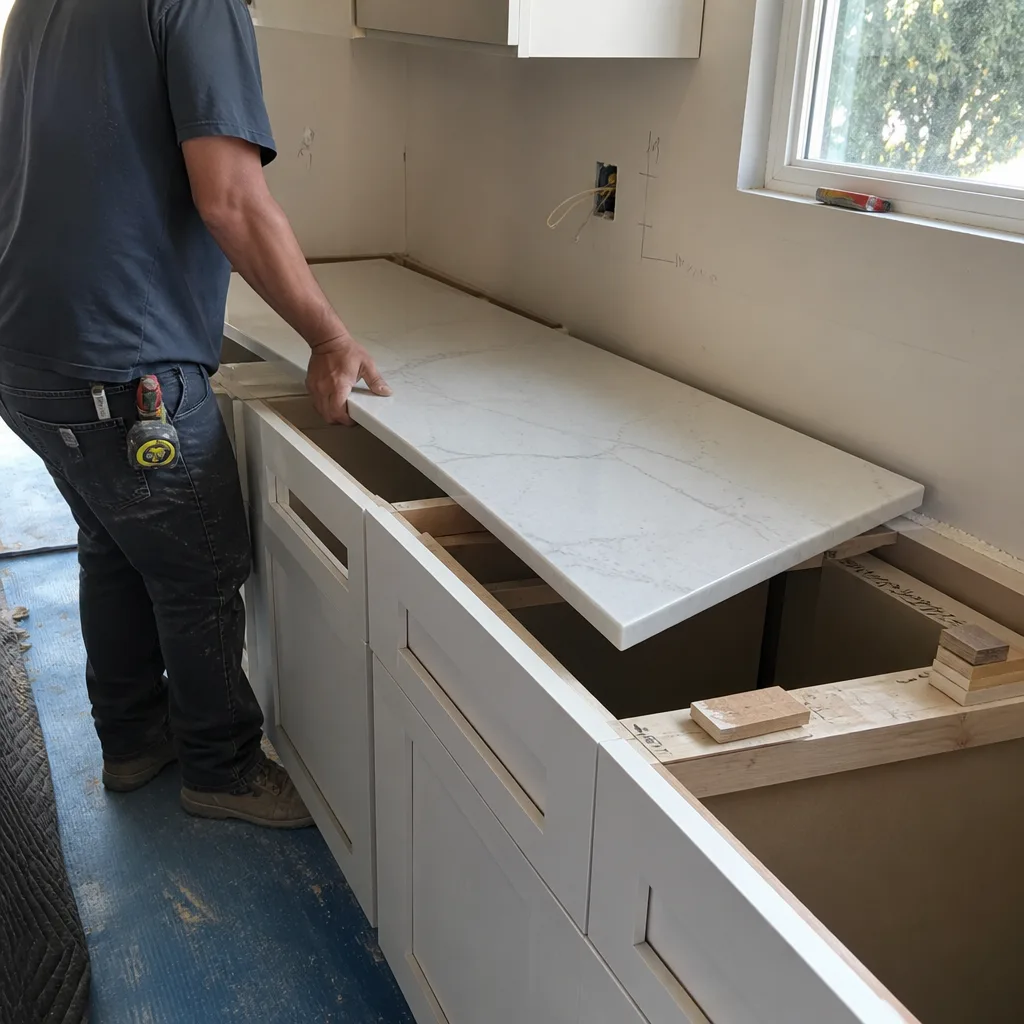
Sometimes the right decision isn’t a full new walk-in build. Here’s how the options compare in the Santa Clarita market so you can evaluate the tradeoffs honestly.
- Tub-to-shower conversion: $3,500 – $10,000. If you’re removing a tub to reclaim the space as a walk-in, the conversion scope includes demo, plumbing reconfiguration, and the new shower build. It generally costs less than a new shower in an unoccupied space because the drain location is already defined, but more than a simple shower replacement because the plumbing typically moves.
- Shower replacement (existing footprint): $3,000 – $8,500. Replacing an existing shower in the same footprint – same drain, same supply location – keeps plumbing labor low. This is the most efficient scope if the structure is sound and you just want a tile, glass, and fixtures upgrade.
- Small bathroom remodel: $5,000 – $12,000. If the vanity, toilet, and flooring are also being updated alongside the shower, a small bathroom remodel scope can bundle the work more efficiently than three separate line items.
- Full bathroom remodel: $9,000 – $28,000. A primary bathroom renovation that touches every surface – shower, tub, vanity, flooring, lighting, mirrors – is priced as a complete scope. The shower within that scope is not priced separately; it’s part of a coordinated sequence where tile and plumbing are scheduled together, which reduces labor time.
How to Save on Walk-In Shower Installation in Santa Clarita
There are real ways to reduce cost without compromising the waterproofing or the finish quality. There are also false economies that create expensive problems two years later. Here’s the honest breakdown.
Keep the drain where it is
Relocating a drain in a slab-on-grade home means cutting concrete. If your existing shower drain is in a position that works for the new footprint, keeping it there saves $800 to $1,500 in plumbing labor. We’ll note at the estimate stage whether the existing location makes sense for the layout you’re considering.
Choose tile format strategically
The 12×24 porcelain format hits the sweet spot between visual impact and installation speed. It looks substantially better than 4×4 ceramic subway tile and installs faster than 24×48 large-format tile, which requires a more painstaking substrate preparation. If your goal is a clean modern look without a premium labor cost, 12×24 or 12×12 porcelain in a rectified format is worth specifying.
Prefab base vs. mud-bed: know the tradeoff
A high-quality acrylic prefab shower base from a brand like Kohler or American Standard costs $200 to $500 and installs in a fraction of the time a mud-bed custom floor takes. If your shower is a standard 36×36, 36×48, or 60×36 dimension, a prefab base is a legitimate cost saver. Custom footprints or unusual shapes require a mud bed – there’s no prefab for a 47×39 opening.
Bundle with adjacent work
If you’re also replacing the vanity or updating the flooring, bundle it. Scheduling tile work and plumbing together in a single mobilization reduces the total labor hours compared to two separate visits. A combined bathroom scope also means one set of permits rather than two.
Get a written second opinion
Rowan Construction Group offers a free second opinion on any written estimate – bring a competitor’s quote and Grant Rowan will review it line by line, no charge. This is a standing offer, not a limited-time promotion. It exists because homeowners in Santa Clarita are researching contractors carefully right now, and a side-by-side comparison of a written scope is more useful than a sales pitch. Call (747) 294-3985 to schedule one.
What not to cut
Don’t cut the waterproofing membrane. A shower built without a bonded membrane system – or with only painted-on “waterproofing” – fails within a few years. Water migrates through grout joints, reaches the substrate, and rots the framing. The repair cost dwarfs what was saved on the original installation. Schluter Kerdi, WEDI, or a comparable system is non-negotiable on every Rowan shower regardless of the project budget. Similarly, don’t skip the permit to save the fee. An unpermitted shower modification flags on the disclosure form at resale and can require an as-built inspection that costs more than the original permit would have.
What the Installation Process Looks Like
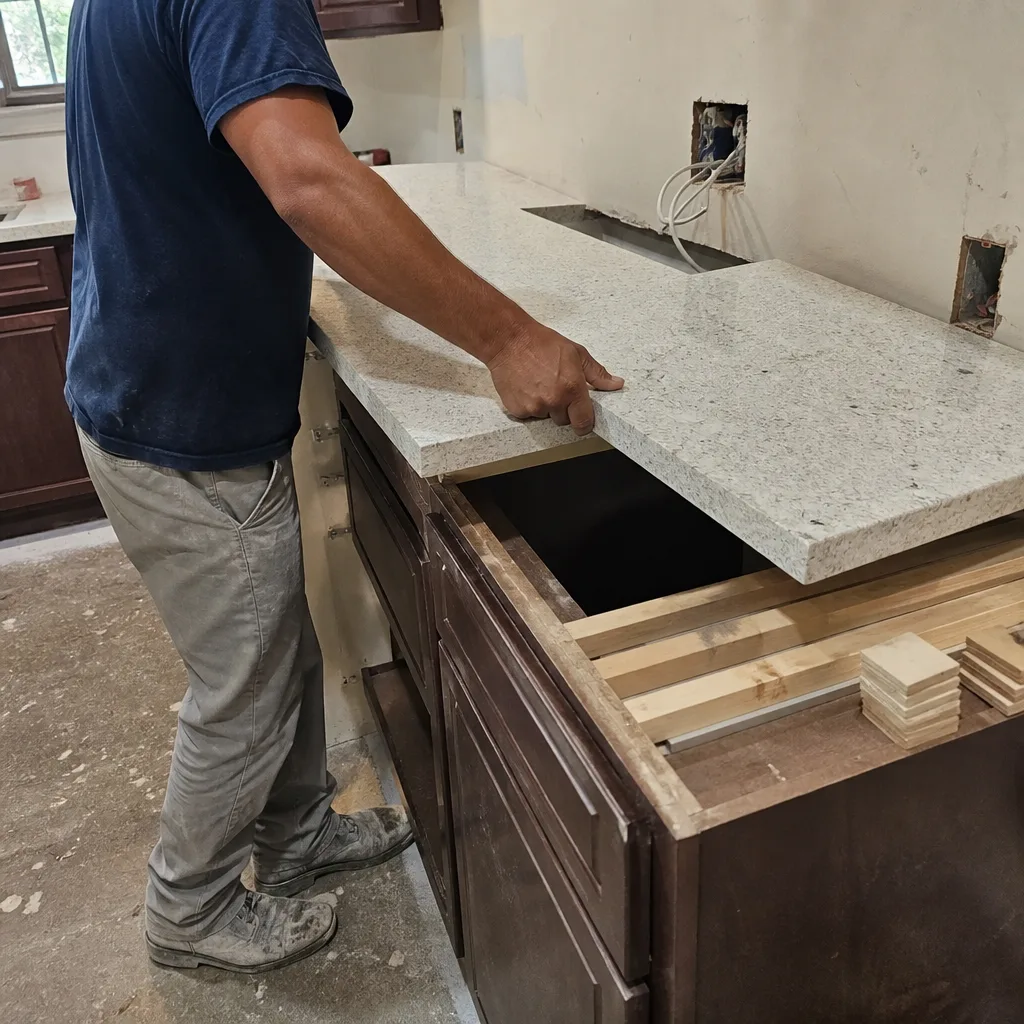
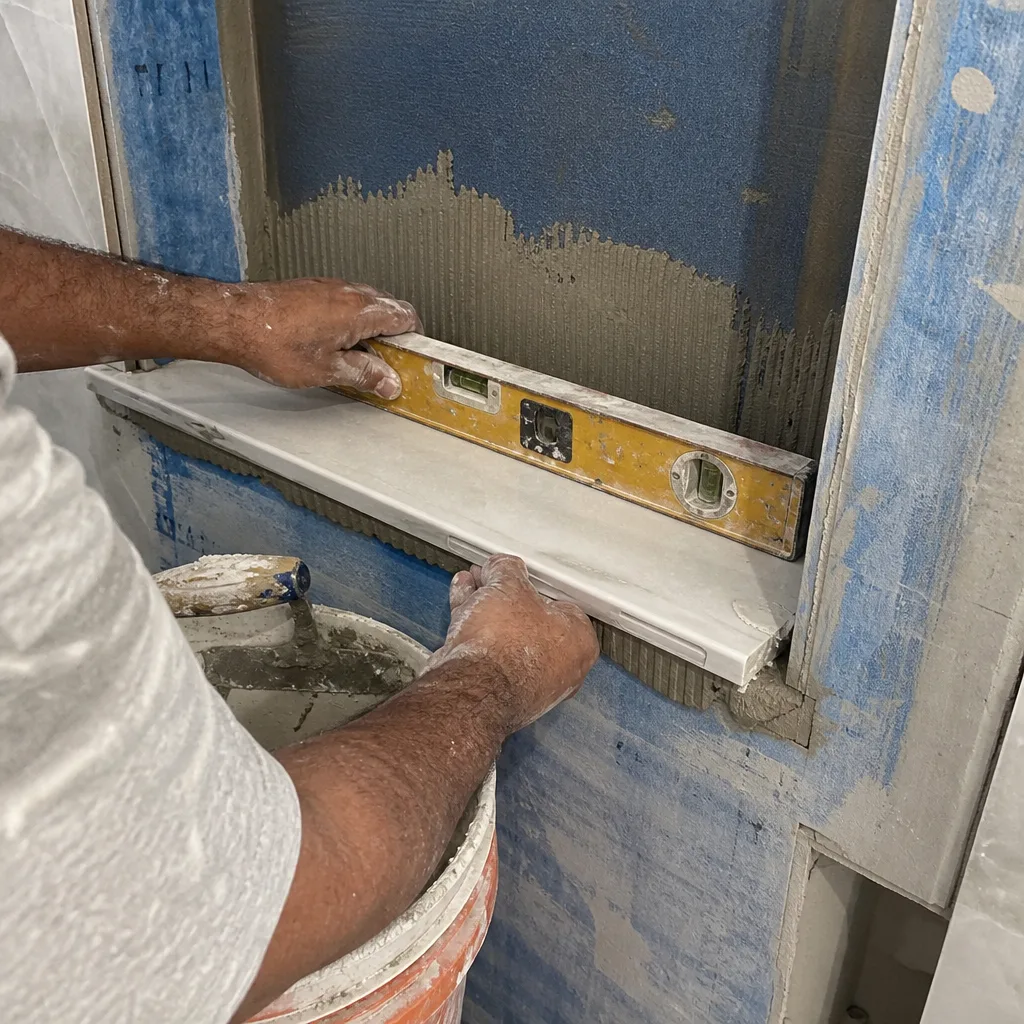
Knowing the sequence helps homeowners plan around the work and understand why the timeline is what it is. A standard walk-in shower installation in Santa Clarita runs 5 to 10 business days for a mid-range scope – not because the work is slow, but because tile setting, waterproofing, and grouting each require curing time before the next trade proceeds.
- Day 1-2: Demo and inspection. Existing surround, fixtures, and flooring are removed. Subfloor, framing, and plumbing connections are inspected and photographed. If damage is found, a written change order is issued before any repair work starts – that’s the Haven Standard process, not an exception to it.
- Day 2-3: Rough plumbing and framing. Supply lines and drain are confirmed or adjusted. Niche framing and backing installation happen here. Rough-in inspection if required by the city.
- Day 3-4: Waterproofing membrane. Schluter Kerdi or equivalent is applied to all wet surfaces. Seams are sealed. The membrane is inspected before tile goes on – this step is documented in the photo record delivered at project close.
- Day 4-6: Tile setting. Floor tile is set first, walls follow. Large-format tile requires 24 hours between floor and wall setting to allow proper bed cure. Grout follows after the adhesive cures – typically 24 hours minimum.
- Day 7-8: Glass enclosure and fixtures. Frameless glass is templated after tile is complete (custom cuts require the finished opening dimensions). Fixtures, valve trim, and any lighting are installed and tested.
- Day 8-10: Punch list and photo record. Final inspection walk, caulk lines checked, all fixtures tested under water. The documented photo record is compiled and delivered to the homeowner.
Santa Clarita-Specific Considerations
Santa Clarita isn’t a monolithic market. The SCV has distinct neighborhoods with meaningfully different housing stock, and that affects what a shower installation actually involves on a given job site.
In Valencia – particularly in the planned neighborhoods around Paseo de Las Calles and Tournament Road – homes from the mid-1990s to early 2000s often have original builder-grade tub-shower combos in the primary bathroom that are ready for replacement but were installed cleanly, so demo is usually straightforward. The bigger issue in these homes is that the original framing used 2×4 walls with minimal backing, meaning niche installations require added blocking and the written scope should name that specifically.
In Stevenson Ranch – technically Los Angeles County unincorporated, which means the LA County Building and Safety department, not the City of Santa Clarita, issues permits – the permit process runs slightly differently. We pull county permits for Stevenson Ranch jobs and city permits for Valencia, Saugus, Newhall, and Canyon Country. This affects timeline modestly but not cost.
In Canyon Country and parts of Saugus, older tract homes from the late 1970s and early 1980s are more likely to have the pre-1985 construction that warrants a mastic and drywall compound check before demo. We ask the build year at the estimate stage for exactly this reason.
Santa Clarita’s climate is also relevant in a practical way: the SCV runs hot and dry in summer, which means curing times for tile adhesive and waterproofing membrane can be affected in unconditioned spaces during July and August. We schedule moisture-sensitive phases during morning hours and maintain bathroom ventilation during cure periods – a small process detail that prevents adhesive bond failure in high-temperature conditions.
FAQs: Walk-In Shower Installation Cost in Santa Clarita
How much does a basic walk-in shower installation cost in Santa Clarita?
A basic walk-in shower installation in Santa Clarita costs $4,500 to $6,500 for a 32×36 or 36×36 footprint with ceramic tile, a prefab base, and a framed or semi-frameless glass door. That range includes waterproofing membrane, standard plumbing connections (assuming the drain doesn’t move), and a single-function showerhead. Permits are additional and typically run $150 to $300 at this scope. Call (747) 294-3985 for a written price specific to your bathroom – the estimate is free and the number arrives in writing before anything starts.
How long does walk-in shower installation take?
A mid-range walk-in shower installation in Santa Clarita takes 5 to 10 business days from demo to final punch list. The timeline is driven by curing requirements: waterproofing membrane typically needs 24 hours, tile adhesive needs another 24, and grout needs 24 to 72 hours before the glass can be installed. A simple prefab-base build with ceramic tile runs closer to 5 days. A large custom tile build with a frameless enclosure and mud-bed floor runs closer to 10. We include a project schedule in the written scope so you know the sequence before demo begins.
Do I need a permit for a walk-in shower installation in Santa Clarita?
Yes, in most cases. The City of Santa Clarita requires permits for work that involves modifying plumbing supply or drain lines, adding or relocating electrical circuits or fixtures, or making structural changes to framing. A straightforward shower replacement in the same footprint with no plumbing or electrical changes sometimes qualifies for exemption, but we verify permit requirements at the estimate stage and pull whatever is required. Homeowners in the Stevenson Ranch area fall under LA County Building and Safety rather than the city – same requirement, slightly different process. Skipping permits creates disclosure problems at resale and is not how Rowan operates.
Is it cheaper to replace a shower or convert a tub to a walk-in shower?
A shower replacement in an existing footprint generally costs $3,000 to $8,500, which is less than a tub-to-shower conversion at $3,500 to $10,000, because the drain and supply lines stay in place. The conversion costs more because the plumbing usually needs to be reconfigured and the floor opening for the new drain is different from the tub drain location. The conversion makes sense when you need the full tub footprint as shower space; a replacement makes sense when the existing shower just needs an update. If you’re unsure which applies to your bathroom, we can tell you in about 15 minutes at the estimate walk-through. Call (747) 294-3985.
What is included in Rowan Construction Group’s walk-in shower installation price?
Every written quote from Rowan Construction Group includes: demolition and debris removal, a bonded waterproofing membrane (Schluter Kerdi or equivalent), shower pan or floor preparation, wall tile labor and materials as specified, glass enclosure supply and installation, plumbing fixture connections (Kohler or Moen trim unless otherwise specified), and a documented photo record at project close. Permits are quoted as a separate line item so you see the actual cost rather than an embedded estimate. No work proceeds beyond demo until the full written scope is signed. If our crew finds a subfloor issue or damage behind the walls, a written change order comes to you for approval before the repair starts – that’s Clause 1 of the Haven Standard, and it applies to every job regardless of size.
How much does a frameless glass shower enclosure add to the cost?
A frameless glass shower enclosure adds $1,800 to $2,800 to the installed cost compared to a framed aluminum unit at $800 to $1,200. The difference reflects the cost of thicker tempered glass (3/8″ to 1/2″), heavier hinges rated for that glass weight, and a templating fee for custom cuts once the tile is complete. Semi-frameless enclosures – which have a partial frame and thinner glass – split the difference at $1,200 to $1,800 and are a reasonable middle ground if the fully frameless look isn’t a priority but the framed-aluminum look feels dated.
Pricing reflects the Santa Clarita market as of 2026. Rowan Construction Group Santa Clarita offers free estimates – call (747) 294-3985.
Ready for a written price? Grant Rowan and the Rowan Construction Group team serve Valencia, Saugus, Canyon Country, Newhall, Stevenson Ranch, and the surrounding Santa Clarita Valley. Every estimate arrives as a flat written price with a documented scope – no ranges, no “call us to find out.” Call (747) 294-3985 or request your free estimate online and we’ll schedule the walk-through at a time that works for you.
Written by Grant Rowan, Owner at Rowan Construction Group, serving Santa Clarita since 2007.
What Our Customers Say
"Good communication throughout. Weekly written update meant I never had to chase them."
- Nadine G."Driveway replaced properly with a base that will actually last. They explained why the cheaper quote was cheaper."
- Reggie O."Final invoice was within two percent of the contract. Every change was priced and signed before anyone picked up a tool."
- Malcolm T.