
Last updated September 24, 2026
Free written scope consultation - allowances, timeline, and change-order rules on paper before a single trade is scheduled
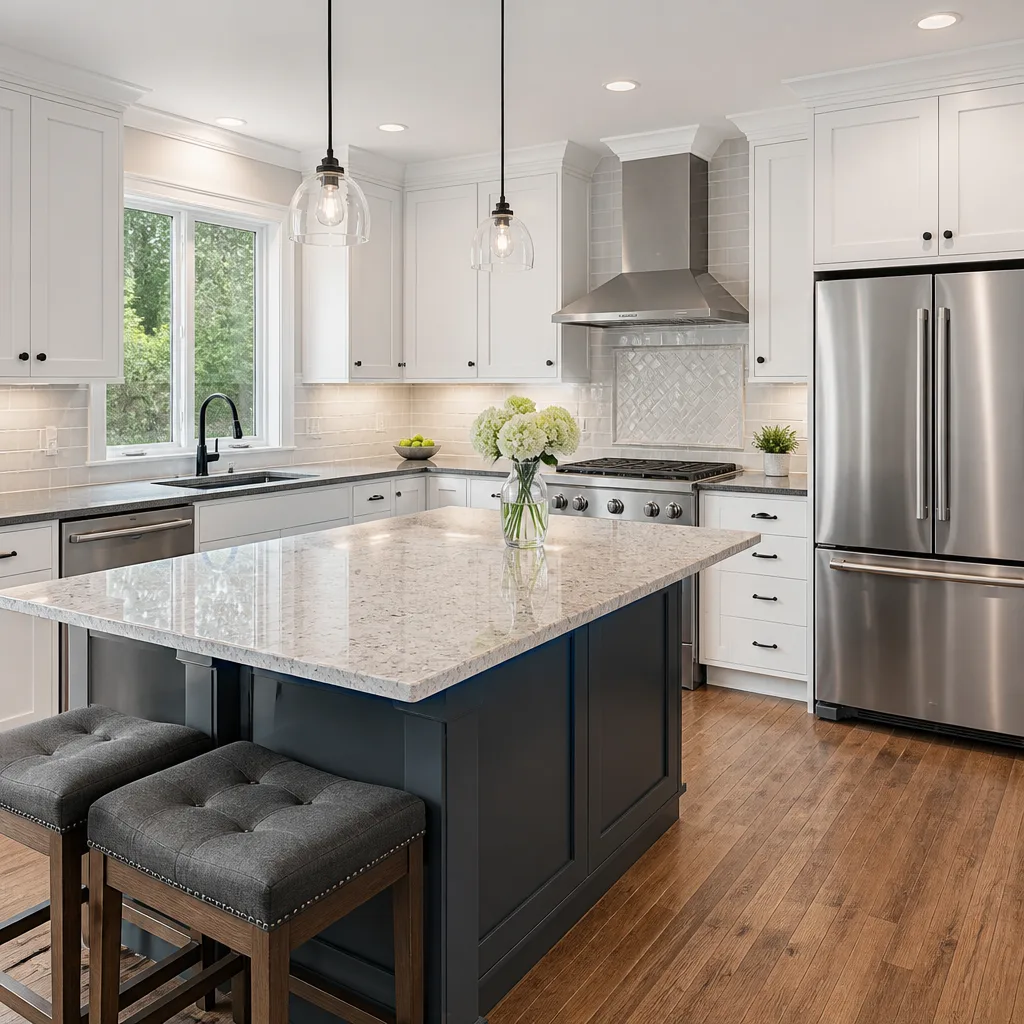
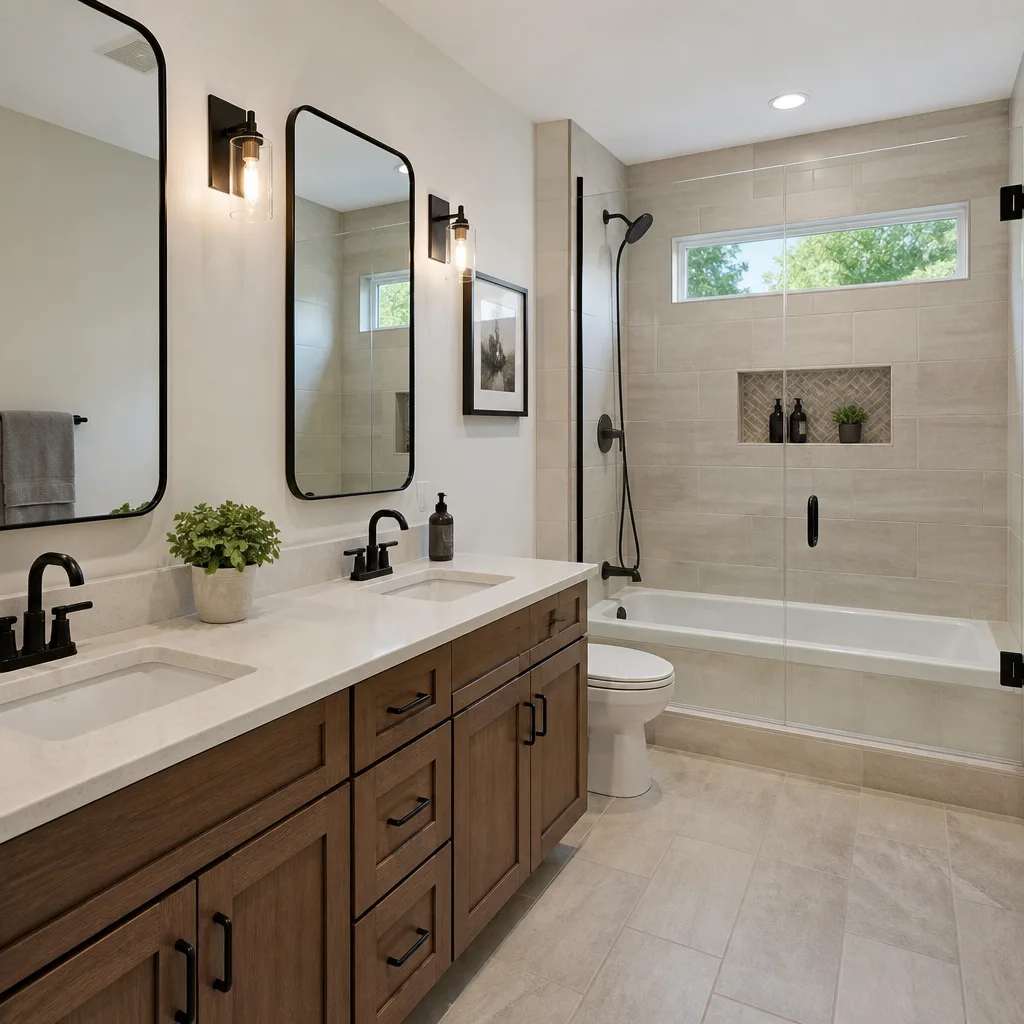
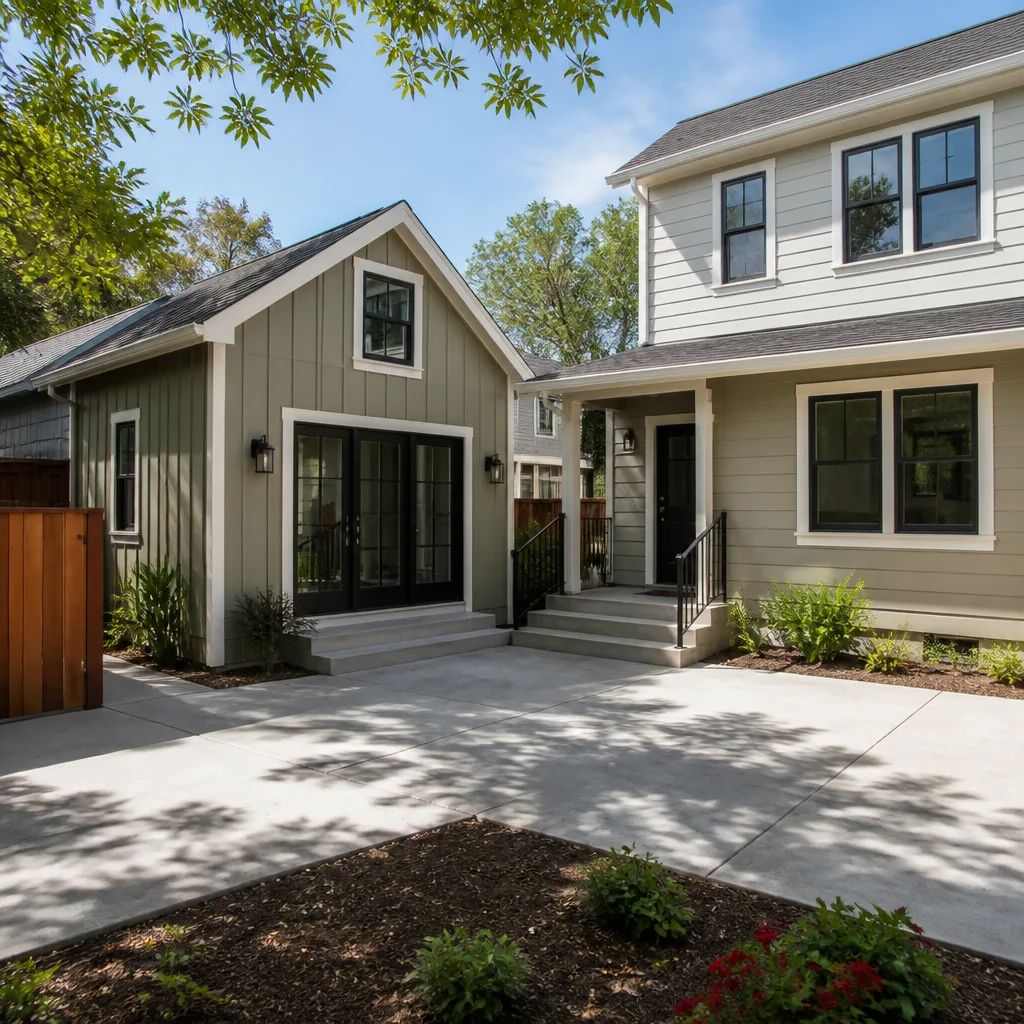

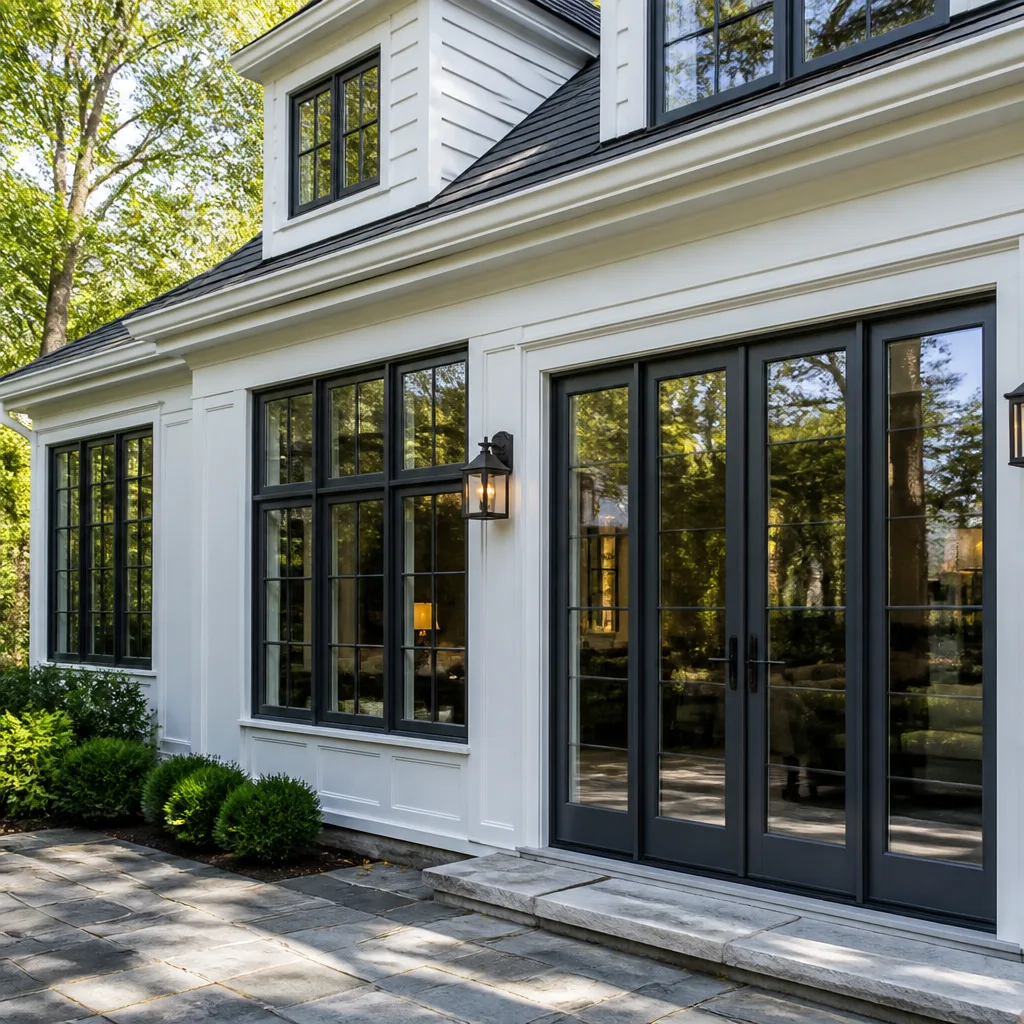
 Before
 After
After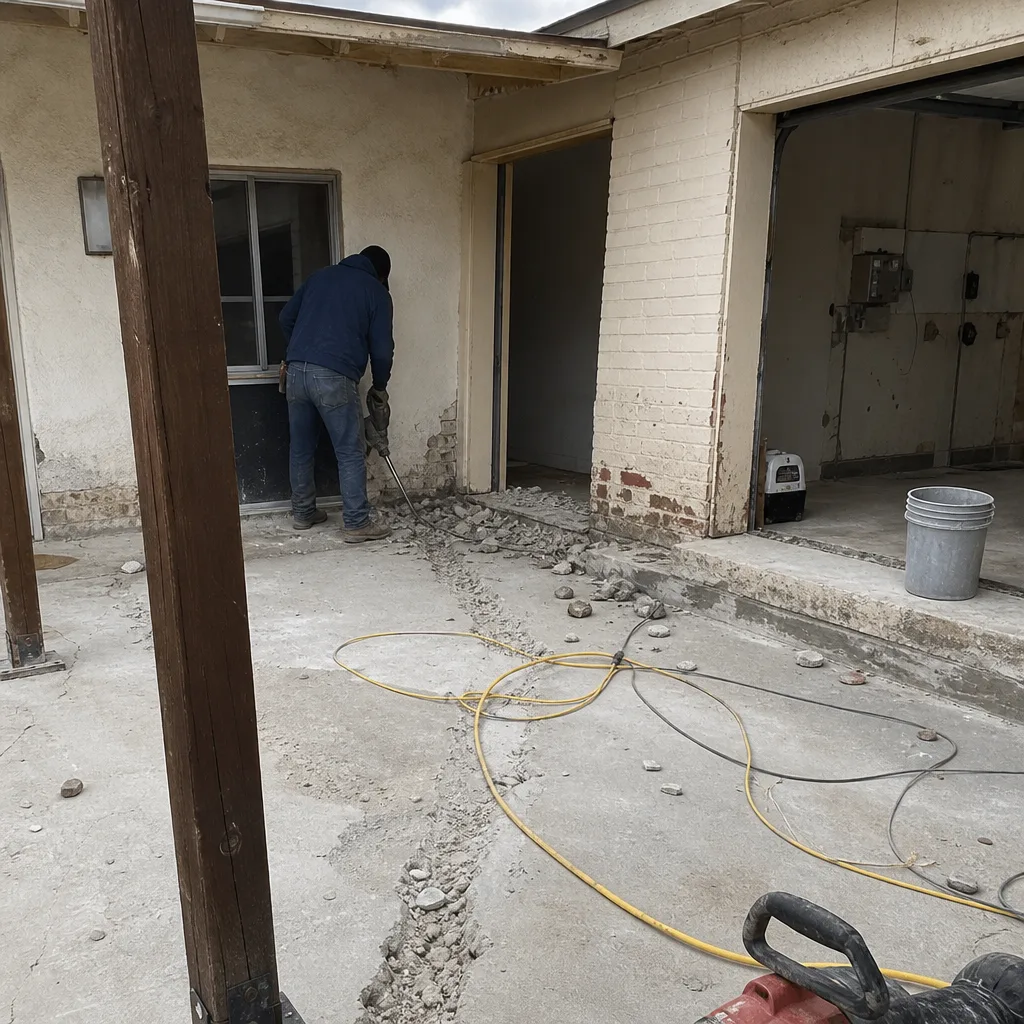 Before
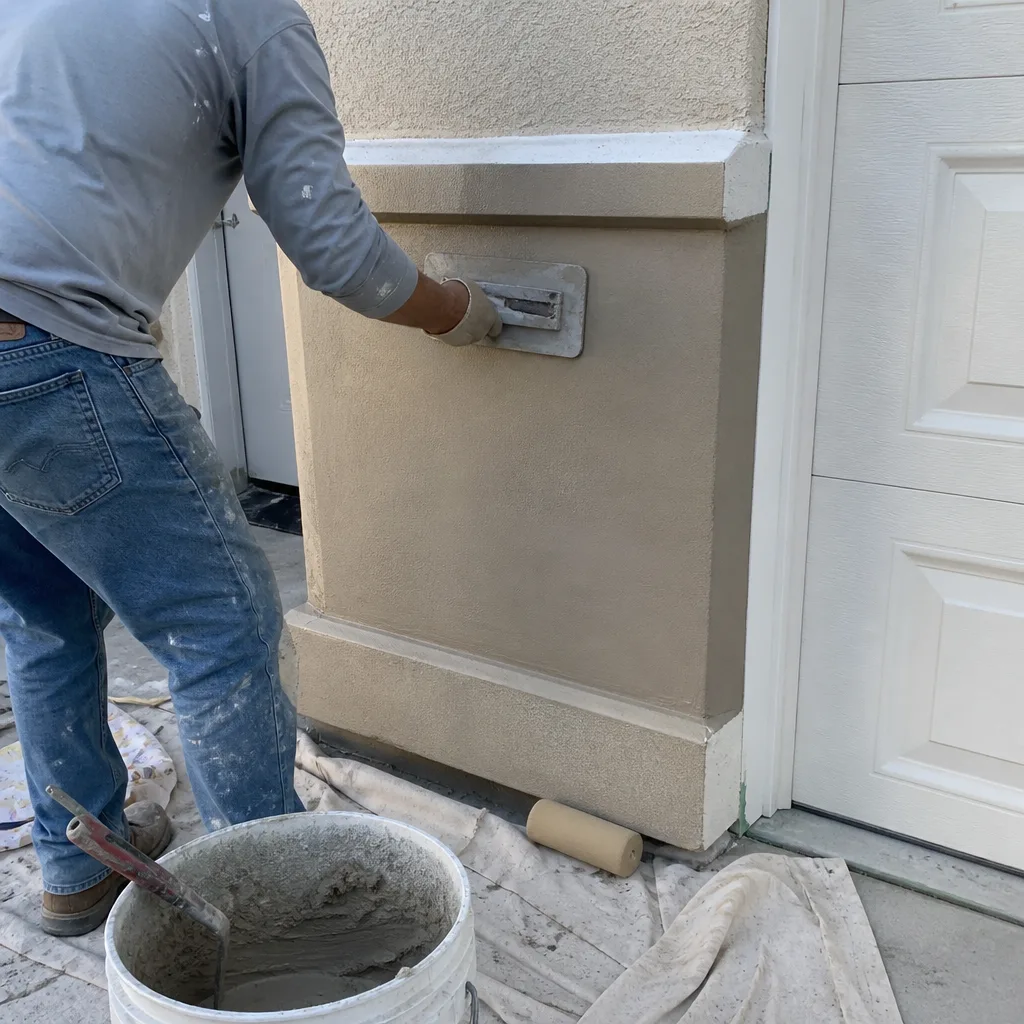 After
After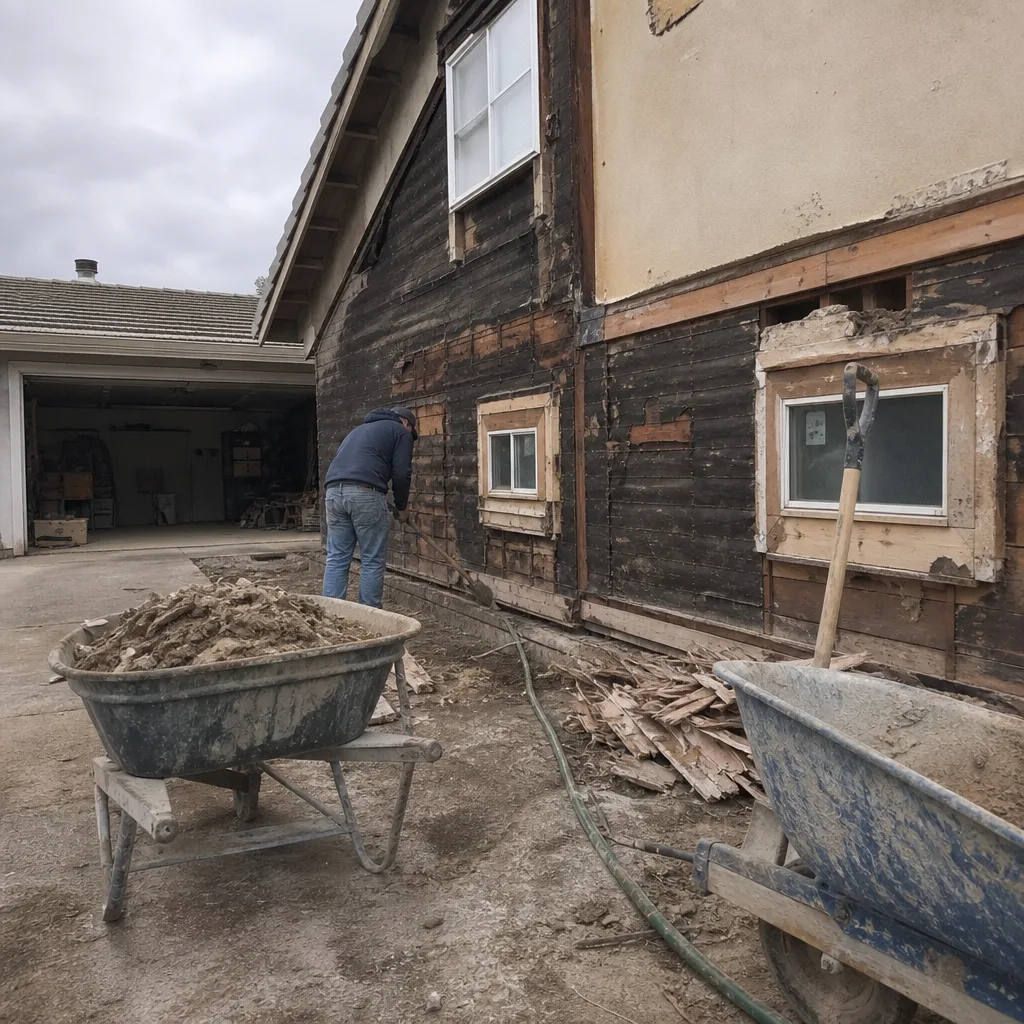 Before
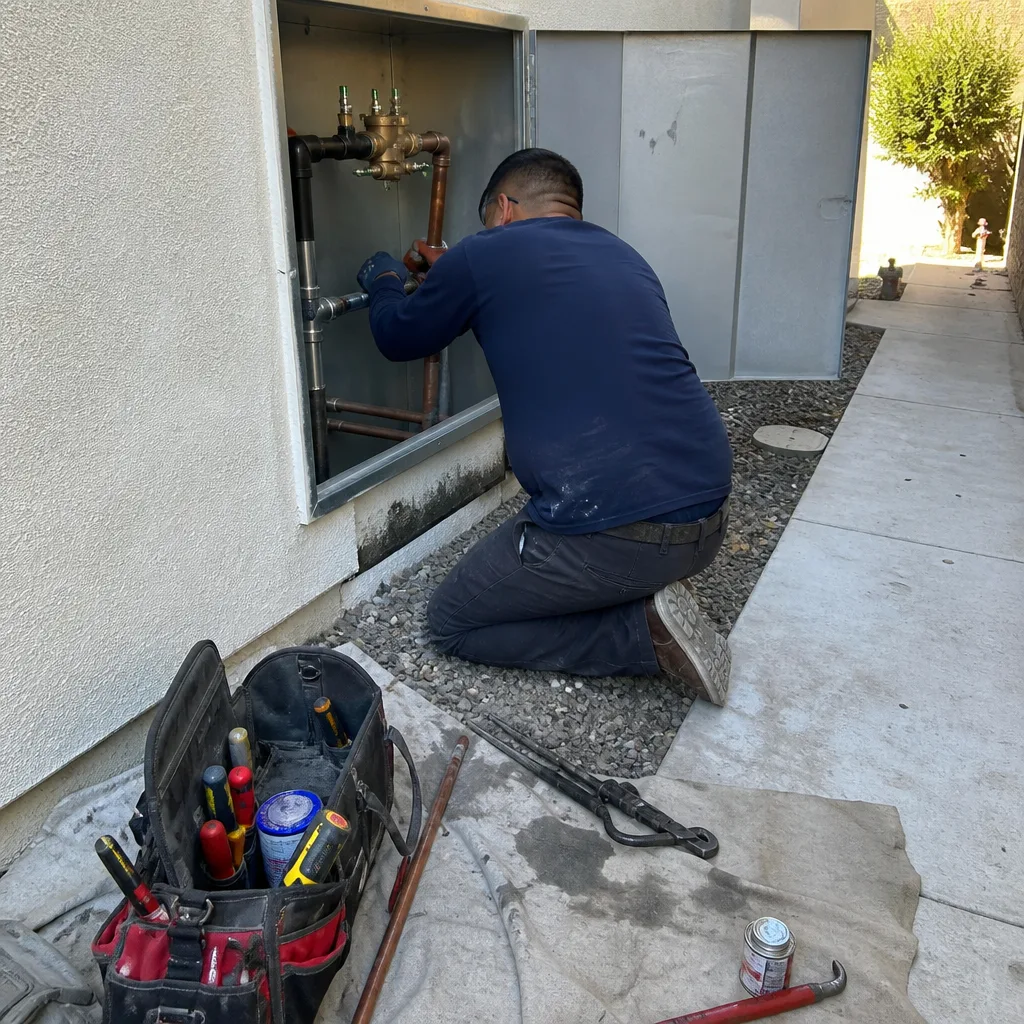 After
AfterConstruction Warning Signs: A Santa Clarita Homeowner’s Reference Guide
California law caps contractor down payments at 10% of the project cost or $1,000, whichever is less. A contractor who asks for $5,000 upfront on a $20,000 kitchen remodel in Santa Clarita is not just aggressive - they are in violation of Business & Professions Code §7159, and that single fact predicts how they’ll handle disputes, change orders, and warranty claims later. In 18 years of operating under The Haven Standard, we’ve reviewed hundreds of competitor contracts brought in for our Free Second Opinion, and the same five document failures appear again and again. This guide shows you exactly what to look for in writing before anyone picks up a tool, using California contractor law as your standard.
Quick Answer
The most serious construction warning signs are all verifiable in writing before work starts: a down payment exceeding California’s 10%/$1,000 cap, a contract missing required elements like start/end dates or lien release clauses, a CSLB license status other than “Active,” a bid that cannot be reconciled against published material costs, and any suggestion to skip permits. Each of these has a specific legal consequence for the homeowner, and each is avoidable with a 20-minute document review.
Table of Contents
- Document Red Flags: What California Law Requires in Every Contract
- License Verification: Reading the CSLB Database Correctly
- Bid-Math Red Flags: How to Spot a Manufactured Number
- Permit Evasion: What “Skip the Permit” Actually Costs You
- Subcontractor Disclosure: The Requirement Most Contractors Ignore
- Behavioral Warning Signs During the Sales Process
- Santa Clarita-Specific Risks: Climate, Code, and Market Conditions
- Common Mistakes to Avoid
- When to Call a Professional
- Frequently Asked Questions
BeforeAfterDocument Red Flags: What California Law Requires in Every Contract
Business & Professions Code §7159.5 lists the elements that must appear in every home improvement contract in California. A contract missing any of these is not just sloppy - it is unenforceable in key respects, and the missing element usually protects the contractor, not you.
Here is what the law requires, what the absence looks like, and what it costs you if things go wrong.
The Down Payment Cap: 10% or $1,000
Section 7159.5(a)(3) caps the down payment at the lesser of 10% of the contract price or $1,000. On a $45,000 Kitchen Remodeling in Santa Clarita, the legal maximum is $1,000. A contractor requesting $10,000 or 25% upfront is in violation, and this violation correlates strongly with two later problems: the contractor using your deposit to float another job, and the contractor disappearing before completion. The CSLB receives more complaints about down payment disputes than any other single issue.
Under Clause 1 of The Haven Standard, Rowan Construction Group delivers a written flat price before any work starts. The deposit is never more than the legal cap, and it is spelled out in the same document as the scope, the schedule, and the warranty.
Start and Completion Dates
Every contract must include “the approximate dates when the work will begin and be substantially completed.” A contract that says “work to begin in spring” or “completion in approximately 6-8 weeks” without calendar dates fails this requirement. The cost to you: no basis for a delay claim, no leverage if the contractor ghosts for three months, and no way to coordinate your own move-out, storage, or financing.
We specify start and substantial completion dates in every contract, with a written change order required for any schedule modification.
Description of Work and Materials
The law requires “a general description of the work to be done” and “a description of the materials and equipment to be used.” Vague language like “install new cabinets” or “replace roofing with comparable materials” is a red flag. What grade of cabinet? What manufacturer? What shingle weight and wind rating? In Santa Clarita’s Santa Ana wind conditions, a “comparable” roof that drops from a 130-mph to a 110-mph rating is not comparable at all.
Our contracts name the manufacturer and model for every material, from KraftMaid or Wellborn cabinets to GAF or Owens Corning shingles with specific wind ratings. The customer can verify the spec against the manufacturer’s published data before signing.
Notice of Lien and Lien Release
The contract must include a notice that you may be subject to a mechanic’s lien if you pay the contractor but the contractor does not pay suppliers or subcontractors. It must also state that you may withhold payment until liens are released. A contract without this language leaves you exposed to double payment - once to the contractor, once to an unpaid sub who files a lien against your property.
We include lien release language in every contract and provide conditional lien releases from every subcontractor at each payment milestone, documented in the photo record you receive at project closeout.
Contractor License Number
The license number must appear in the contract, in any advertisement, and on the contractor’s vehicle. A contract with no license number, or a different number than the one on the CSLB website, is a document you should not sign.
Quick checklist for any contract you are considering:
- Down payment at or below 10%/$1,000
- Specific start and completion dates, not seasons or ranges
- Named manufacturers and model numbers for all major materials
- Lien notice and release clause present
- License number matches CSLB database exactly
- Total contract price with all charges itemized
License Verification: Reading the CSLB Database Correctly
The Contractors State License Board database at cslb.ca.gov is free and takes two minutes to search. Most homeowners check only whether the license is “Active.” That is necessary but not sufficient. Here is what else to look for, and what each status means in practice.
“Suspended” Status
A suspended license means the contractor cannot legally perform work. The most common cause is an unpaid bond claim - a previous customer or supplier was not paid, filed against the contractor’s $25,000 bond, and the contractor has not reimbursed the surety. This is not a paperwork delay. It is a financial judgment against the contractor that the contractor has not satisfied.
We have reviewed competitor quotes where the license was suspended during the bidding period. The homeowner would not have known without checking the database on the day of the bid.
No Workers’ Compensation Insurance Listed
If the CSLB record shows “Workers’ Comp: Exempt” and the contractor has employees, that is a violation. More commonly, the record shows no workers’ comp entry at all. If the contractor has employees and no coverage, you become the de facto employer for injury liability purposes. A worker injured on your Santa Clarita property can sue you directly, and your homeowner’s policy may exclude the claim if the work was performed by an unlicensed or improperly insured contractor.
Rowan Construction Group carries workers’ compensation for all employees; the policy is available for verification on request, and every crew member is background-checked and uniformed before arriving at your property.
Recently Reinstated with Complaint History
A license that was suspended and then reinstated within the last 12-24 months warrants closer inspection. Click “Complaint Disclosure” on the CSLB record. Complaints are not always public - the CSLB discloses only complaints that resulted in disciplinary action - but a pattern of recent reinstatements with multiple complaints is a signal. Cross-reference with the license bond history: frequent bond claims suggest cash-flow problems that predict future disputes.
License Class Mismatch
A B-General Building contractor cannot legally perform C-36 Plumbing or C-10 Electrical work as a specialty unless they hold that classification or subcontract to a properly licensed specialist. A general contractor who proposes to self-perform electrical panel upgrades without a C-10 is out of scope. The permit will be rejected, and the work will not pass inspection.
Step-by-step license verification (5 minutes):
- Search the license number at cslb.ca.gov
- Confirm status is “Active” with current expiration date
- Verify the classification matches the work proposed (B-General, C-39 Roofing, etc.)
- Check workers’ comp status; if exempt, confirm the contractor has no employees
- Click “Complaint Disclosure” and note any disciplinary actions in the last 5 years
- Check bond history for claims if available
Bid-Math Red Flags: How to Spot a Manufactured Number
A written price before any work starts is our founding promise, but “written” is not enough - the number must be reconcilable against real material and labor costs. A bid that cannot be checked is a bid that was invented. Here is how to check it in 20 minutes.
Material Cost Verification
For a Roofing in Santa Clarita bid, take the square footage and shingle type to Beacon Roofing Supply’s or Home Depot Pro’s website. A 2,500-square-foot roof using GAF Timberline HDZ shingles at approximately $95 per square (100 sq. ft.) equals $2,375 in shingle cost. Add 15% for ridge caps, starters, and waste: $2,730. Underlayment, ice and water shield, nails, and vents add roughly $800-$1,200. Total material package: approximately $3,500-$4,000.
If a bid of $8,500 for the complete roof implies $5,500 in labor for a one-day job with a four-person crew, that is $1,375 per crew-day - plausible. If the same bid from another contractor comes in at $5,200 total, the math does not work unless they are using unreported labor, omitting permit fees, or planning a change order ambush. The low bid is not a deal; it is a financing structure with undisclosed terms.
Labor Rate Sanity Check
Published data from the Bureau of Labor Statistics and regional contractor surveys place skilled construction labor in Los Angeles County at $45-$75 per hour depending on trade and experience. A bid with $18 per hour implied labor rates is either using unlicensed subs or miscalculating hours. Either way, the project will not finish at the quoted price.
Permit Fee Omission
City of Santa Clarita building permit fees for a kitchen remodel run approximately $1,200-$2,800 depending on valuation. A bid with no permit line item, or a permit fee of $200, is not planning to pull the permit. We will cover the consequences of that in the next section.
Change Order Padding
Some low bids are designed to be low. The contractor knows the project cannot be completed at the quoted price and plans to recover through change orders. The tell: vague scope language (“replace countertops with stone”) combined with a note that “additional work will be quoted as needed.” Every item not specified becomes a negotiation at your maximum inconvenience.
Under The Haven Standard, no work proceeds on a change until the change order is signed. This administrative discipline, which Haven acquired Rowan for in 2007, is why our projects finish within a few percent of the agreed price across 4,000-plus jobs. The quote you receive is a flat price with a written scope and a written warranty.
20-minute bid audit:
- List every material with quantity and type from the bid
- Check three prices online: manufacturer direct, Home Depot Pro, Ferguson (for plumbing)
- Calculate implied labor hours: (total bid – materials – permit) ÷ published labor rate
- Compare implied hours to crew size and project duration
- Flag any line item more than 20% below verifiable cost, or any missing permit fee
Permit Evasion: What “Skip the Permit” Actually Costs You
A contractor who suggests skipping the permit is not saving you money. They are transferring liability from themselves to you, the property owner, and the transfer is permanent.
Insurance Consequences
Most homeowner’s insurance policies contain a clause voiding coverage for unpermitted work. If a fire starts in an unpermitted electrical panel upgrade, the insurer may deny the claim entirely. In Santa Clarita’s wildfire-prone environment, this is not a theoretical risk.
Resale and Financing
Unpermitted work must be disclosed on the Transfer Disclosure Statement (TDS) in California. Buyers’ lenders increasingly require permit verification for kitchen remodels, additions, and Rowan Construction Group Santa Clarita home ADU work. An unpermitted ADU can render the property ineligible for conventional financing, forcing a cash buyer or a price reduction. The $1,500 permit you skipped becomes a $15,000 renegotiation at closing.
Code Liability
When work is performed without a permit, the property owner assumes liability for code compliance. If a future inspection reveals the work does not meet current code, you pay for the correction, not the contractor who is long gone. In Santa Clarita, the City enforces the California Building Code with local amendments for wind and seismic loads. A contractor unfamiliar with Santa Clarita’s specific amendments, or unwilling to have their work inspected against them, is a contractor whose work will not comply.
The “Homeowner Pulls the Permit” Ruse
Some contractors suggest you pull the permit as an owner-builder to save money or time. This makes you the legally responsible party for code compliance, worker safety, and lien exposure. You also assume liability for workers’ comp if the contractor’s coverage is inadequate. The contractor gets the work, you get the liability.
Rowan Construction Group pulls permits as standard practice on every project, including Bathroom Remodeling in Santa Clarita, home additions, and ADUs. The permit is included in the written quote, the inspection schedule is included in the project timeline, and passed inspections are documented in your photo record.
Subcontractor Disclosure: The Requirement Most Contractors Ignore
Business & Professions Code §7159.5 requires contractors to disclose in writing any subcontractors who will perform work on the project, for trades including plumbing, electrical, HVAC, and roofing. The disclosure must include the subcontractor’s name, CSLB license number, and the work they will perform.
Why This Matters
A general contractor who self-performs electrical work without a C-10 license is breaking the law. A general contractor who uses an unlicensed electrician and does not disclose it is breaking two laws, and you have no way to verify the electrician’s qualifications or insurance. If the electrician is injured or damages your property, you have no contractual relationship with them and limited recourse.
How to Verify Subcontractor Licenses
When you receive a subcontractor disclosure, verify each license independently on the CSLB website. Check that the license is active, that the classification matches the work described, and that workers’ comp is current if the sub has employees. A contractor who refuses to provide subcontractor information, or who provides names without license numbers, is not complying with disclosure requirements.
The “In-House Crew” Evasion
Some contractors claim all work is performed by “our in-house crew” to avoid subcontractor disclosure. If the crew includes a plumber, that plumber must be licensed as a C-36, either as an employee of the contracting company or as a disclosed subcontractor. “In-house” is not a legal category that exempts licensing requirements.
On projects requiring multiple trades, Rowan Construction Group provides written subcontractor disclosure with every license number, and each subcontractor is held to the same background-check and documentation standards as our direct employees.
Behavioral Warning Signs During the Sales Process
Document red flags are definitive, but behavioral signals help you decide which bids to audit in the first place. These are the patterns we have observed across 4,000 projects and hundreds of competitor quote reviews.
Pressure to Sign Immediately
A contract valid today is valid next week. A contractor who offers a “today only” discount, or who claims materials are about to increase in price, is using urgency theater to prevent comparison. Material prices from KraftMaid, Cambria, or Belgard do not fluctuate weekly. The pressure is artificial, and the contract deserves scrutiny it will not receive under time pressure.
Reluctance to Put Details in Writing
Any specification discussed verbally but omitted from the written contract does not exist for enforcement purposes. “Don’t worry, we’ll use the good underlayment” is not a contract term. The underlayment brand, weight, and installation method must appear in writing, or you will receive whatever is cheapest at the time of installation.
No Physical Address or P.O. Box Only
A contractor with no verifiable business address, or who uses only a P.O. box, is difficult to serve with legal process if disputes arise. The CSLB requires a business address for licensing; a discrepancy between the license address and the contract address is worth investigating.
Payment Demands Outside Contract Terms
California law prohibits contractors from demanding payment before the work stage specified in the contract is complete. A contractor who requests the next draw “early” because they need to pay for materials is managing cash flow with your money. This is how projects stall: your payment funds another job, and your job waits.
Absence of Warranty Documentation
A verbal warranty is not enforceable. The contract must specify the warranty period, what it covers, and whether it is transferable. The 365-Day Done Right Promise at Rowan Construction Group is printed on every contract page and backed by a terms page, not an asterisk. If a contractor’s warranty is “we stand behind our work,” ask for the document that defines what that means.
Santa Clarita-Specific Risks: Climate, Code, and Market Conditions
Santa Clarita’s construction environment has specific characteristics that affect contractor selection and project risk. These are not generic warnings; they are local conditions that shape how projects succeed or fail.
Wind and Seismic Loads
Santa Clarita is in California’s high-wind zone for roofing, with Santa Ana wind events regularly exceeding 60 mph. The California Building Code requires specific fastening patterns and uplift resistance ratings that exceed inland standards. A contractor bidding Roofing in Santa Clarita with standard inland specs is under-engineering your roof. Check that the shingle specification includes the higher wind rating, and that the underlayment and fastening pattern match Santa Clarita’s local amendment requirements.
Soil and Foundation Conditions
The Santa Clara River valley and surrounding hills have variable soil conditions, from sandy loam to expansive clay. For home additions and ADUs, a contractor who does not specify soil testing or who uses a generic foundation design without geotechnical review is planning for failure. Foundation cracks from expansive soil are among the most expensive repairs in Santa Clarita residential construction.
HOA and Design Review Requirements
Many Santa Clarita neighborhoods, including Valencia, Saugus, and Canyon Country communities, have homeowners’ associations with design review boards. A contractor who begins work without HOA approval, or who tells you “we’ll handle it later,” is exposing you to stop-work orders and fines. The approval process often takes 30-60 days and must precede permit application.
Water Conservation Codes
Santa Clarita Valley Water Agency requirements affect plumbing fixture selection and irrigation design. A contractor using non-compliant fixtures in a Bathroom Remodeling in Santa Clarita project will fail inspection, requiring replacement and re-inspection at your expense. Current requirements include 1.28 gpf toilets and specific flow rates for showerheads and faucets.
Fire-Resistant Construction in Wildland-Urban Interface Zones
Portions of Santa Clarita are in State Responsibility Areas with enhanced fire-resistant construction requirements. Chapter 7A of the California Building Code mandates specific roofing materials, vent screening, and exterior wall assemblies. A contractor unfamiliar with WUI compliance, or who proposes standard materials in a WUI zone, is planning work that will not pass inspection and may affect your insurance eligibility.
Common Mistakes to Avoid
- Accepting a “verbal estimate” as sufficient for comparison. A verbal number cannot be audited for material costs, labor hours, or permit fees. Only written, itemized quotes permit the 20-minute verification process described above.
- Checking the CSLB database once and never again. License status changes. A contractor who was active at bidding may be suspended by the time work is scheduled. Verify again before signing and before the first payment.
- Assuming a general contractor’s license covers all trades. A B-General license permits oversight of specialty trades, not self-performance of electrical, plumbing, or HVAC work without the proper classification.
- Paying the final draw before lien releases are in hand. California law provides a 35-day window for subcontractors and suppliers to file liens after work completion. Final payment should be contingent on signed conditional lien releases from all parties.
- Neglecting to photograph existing conditions before work starts. Disputes about pre-existing damage are common. A dated photo record of walls, floors, and adjacent structures protects both parties. Rowan Construction Group includes this as standard documentation, not an upgrade.
- Choosing the low bid without bid-math verification. The lowest bid is often the most expensive project by completion. Twenty minutes of material cost checking reveals whether the number is real or manufactured.
- Failing to verify Santa Clarita-specific requirements. Wind ratings, soil conditions, HOA approvals, and water conservation codes are not optional. A contractor who does not address them in the proposal has not planned for them in the work.
When to Call a Professional
Call a licensed contractor when any project involves structural modification, electrical or plumbing work, roofing above ground level, or foundation work. These trades carry injury risk, code complexity, and liability exposure that exceed homeowner capability. For projects in Santa Clarita involving multiple trades, permitting, or HOA coordination, professional project management prevents the cascading failures that unpermitted or poorly sequenced work produces.
Rowan Construction Group Santa Clarita offers free estimates in Santa Clarita - call (747) 294-3985 to schedule yours. We will review your project, provide a written flat price with named materials and specifications, and if you have a competitor’s quote, we will review it line by line at no charge through our Free Second Opinion program.
Frequently Asked Questions
Contractor costs in Santa Clarita vary by trade and scope, but expect $25,000-$65,000 for a full kitchen remodel, $15,000-$40,000 for a bathroom remodel, and $12,000-$25,000 for a standard roofing replacement on a 2,500-square-foot home. These ranges reflect Los Angeles County labor rates and Santa Clarita’s permit and inspection fees. Call (747) 294-3985 for an exact quote - estimates are free.
A California home improvement contract must include the contractor’s license number, a description of work and materials, start and completion dates, total contract price, payment schedule capped at 10%/$1,000 down payment, notice of lien rights, and lien release provisions. Missing any of these elements makes the contract unenforceable in key respects and exposes you to financial risk.
Search the license number at cslb.ca.gov. Confirm the status is “Active,” the classification matches your project, workers’ compensation is current if the contractor has employees, and check the complaint disclosure for any disciplinary actions. Verify again before work begins, as status can change.
Yes. Business & Professions Code §7159.5 caps the down payment at 10% of the contract price or $1,000, whichever is less. A contractor requesting more is in violation and may be subject to CSLB discipline. You can file a complaint at cslb.ca.gov.
You assume liability for code compliance, your insurance may deny claims related to the work, and you must disclose the unpermitted work when selling. The City of Santa Clarita can require removal or modification of unpermitted work at your expense. Permits protect your property value and legal standing.
Yes, but doing so makes you the responsible party for code compliance, worker safety, and liability. You become the “owner-builder” under California law, assuming duties normally held by the licensed contractor. For most homeowners, the risk transfer is not worth the nominal permit fee savings.
The Bottom Line
Construction warning signs are not mysteries or gut feelings. They are specific, verifiable document failures that California law defines and the CSLB enforces. The down payment cap, the required contract elements, the license status, the reconcilable bid math, the permit compliance, and the subcontractor disclosure are all checkable before you sign. The 20 minutes you spend on verification protects the tens of thousands you are about to spend on construction. In Santa Clarita’s specific climate and regulatory environment, local knowledge matters: wind ratings, soil conditions, HOA requirements, and water conservation codes are not footnotes. They are project requirements that separate qualified contractors from those who will cost you more later.
Written by Grant Rowan, Owner at Rowan Construction Group Santa Clarita, serving Santa Clarita since 2007.